PLANNING A MOUNT FUJI DAY TRIP? READ THIS FIRST
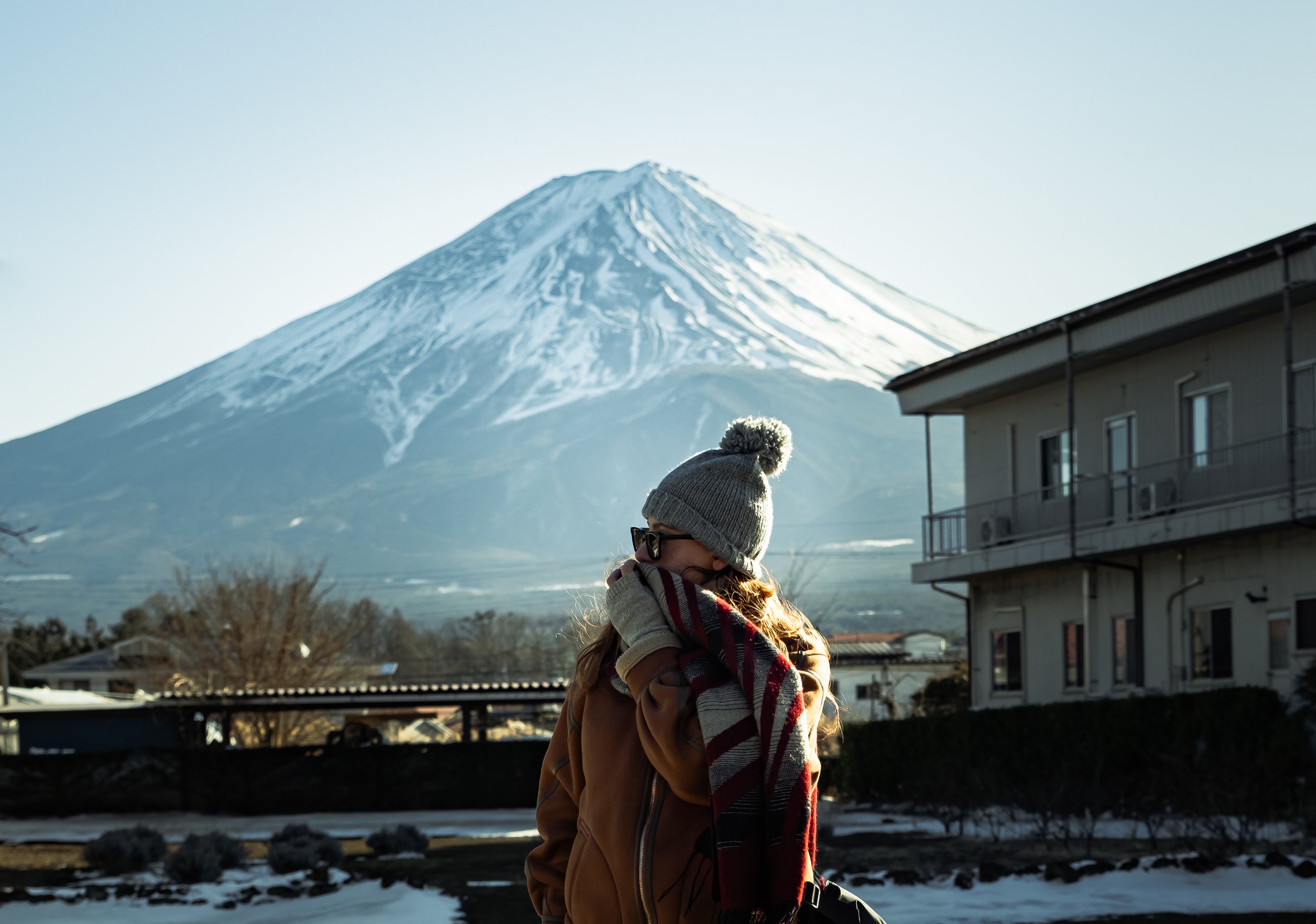
Many, when they think about Japan, Mount Fuji rising in all its magnificence, it’s the first thing to come ot mind. For many travelers, seeing Mount Fuji is one of the highlights of visiting Japan. As Japan's highest mountain, it has become a symbol of the country itself. But there's something that many first-time visitors don't realize.
I thought seeing Mount Fuji would be easy, not physically easy, but I thought it would just... be there. Visiting Mount Fuji isn't as simple as taking a train and arriving at one viewpoint, and I hope this guide will help you avoid making the same mistakes I did. The entire Mount Fuji area is huge, attractions are spread across different towns, and transportation takes more planning than most people expect. If you don't prepare beforehand, you could easily spend most of your day moving between locations instead of actually enjoying them.
HOW TO GET TO MOUNT FUJI FROM TOKYO
Depending on where you want to go, reaching the Mount Fuji area takes between 2 and 3 hours from Tokyo. It's possible to visit it as a day trip from Tokyo, but I recommend departing very early in the morning. The best options are either by train or bus. The train takes longer, and if the bus is full, the train offers the option of not having to pay for a seat, which would mean spending almost 3 hours standing (unfortunately, I ended up missing the bus and had to spend 3 hours standing on the train; I absolutely do not recommend it). Taking the bus is actually easier and faster than the train, but don't make the same mistake I did, and make sure to buy both return tickets ahead of time. I suggest using Klook when buying your mean of transportations; I’ve used it throughout my entire trip across Japan, and I highly reccomend it. Tickets sell out quickly, and you may find yourself stranded. If you want peace of mind while traveling, renting a car can be a great option, offering you peace of mind and less stress.
MOUNT FUJI IS BIGGER THAN YOU THINK
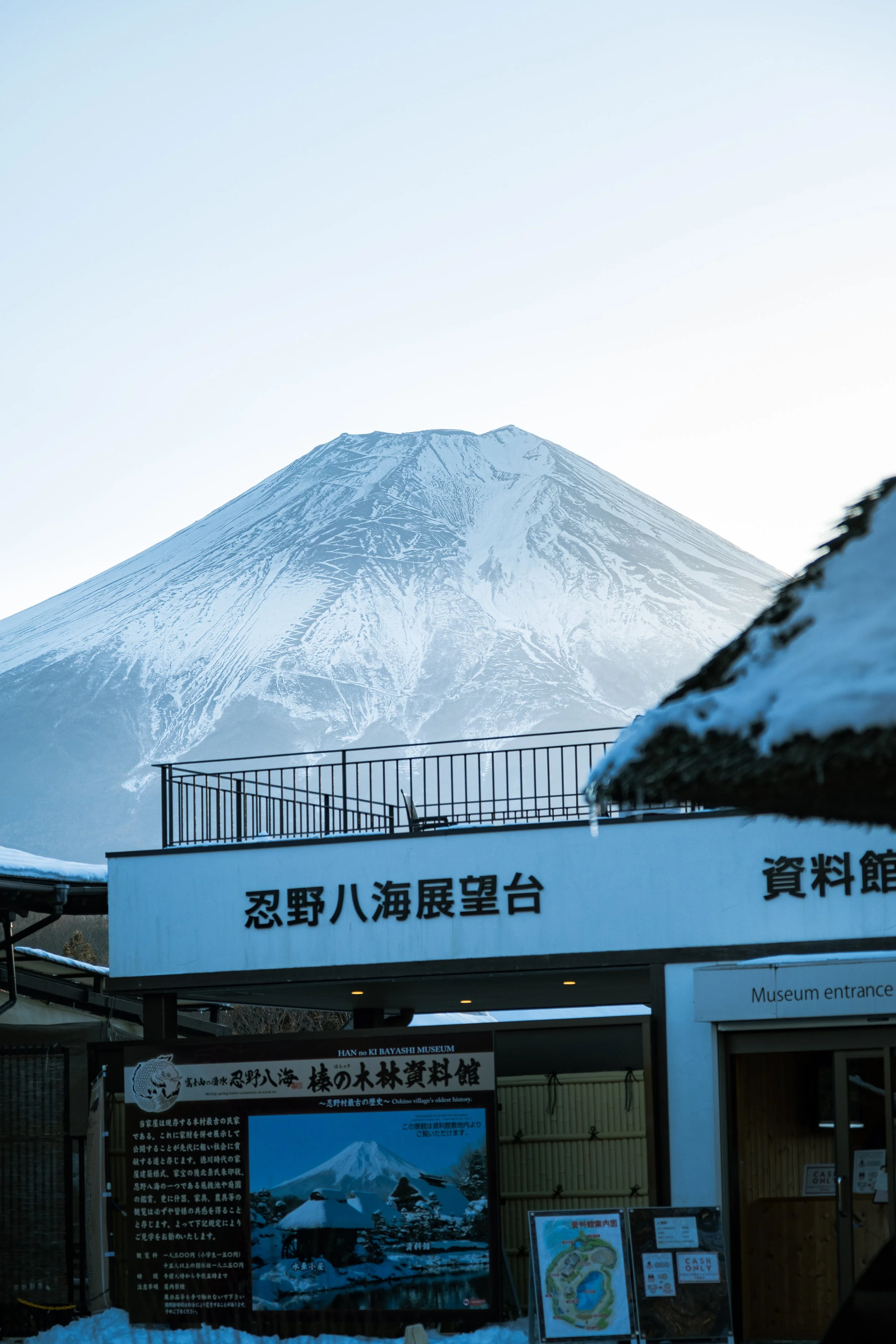
Many make the mistake of thinking that attractions and landmarks are close to each other, and it looks manageable on Google Maps. But you’ll quickly realize the exact opposite, and if you add in the time spent on public transportation, the distances become even longer. So my advice, especially for a day trip, is to choose two or three attractions and enjoy them fully so you don't find yourself rushing between them just to tick off a list. This is a place worth visiting properly; it's one of Japan's most iconic landmarks, and not everyone is lucky enough to visit it, so slow down and fully savor the wonder that is Mount Fuji. Among Mount Fuji's main attractions are: Chureito Pagoda; Oshino Hakkai; Lake Kawaguchi; Oishi Park; Saiko; Wind Cave; Ice Cave; and Shiraito Falls.
DECIDE WHAT YOU WANT TO SEEI BEFORE YOU GO
Before booking anything, ask yourself what kind of experience you're after.
PHOTOGRAPHY: If your goal is photography, prioritize locations like: Chureito Pagoda; Lake Kawaguchi; Oishi Park
NATURE: Prefer a slower pace? Walk along the lakeshore, rent a bicycle, or enjoy one of the scenic parks around Lake Kawaguchi.
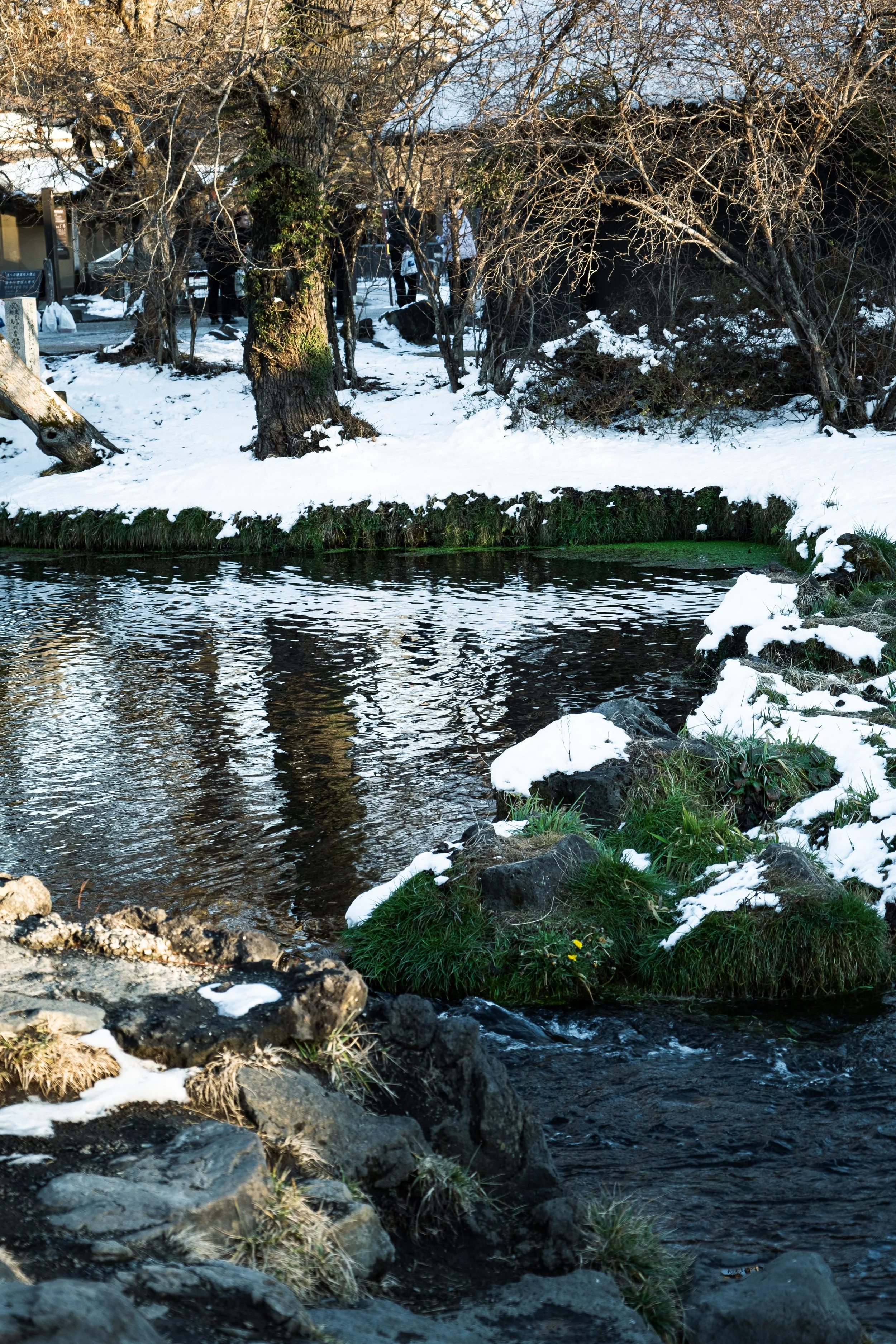
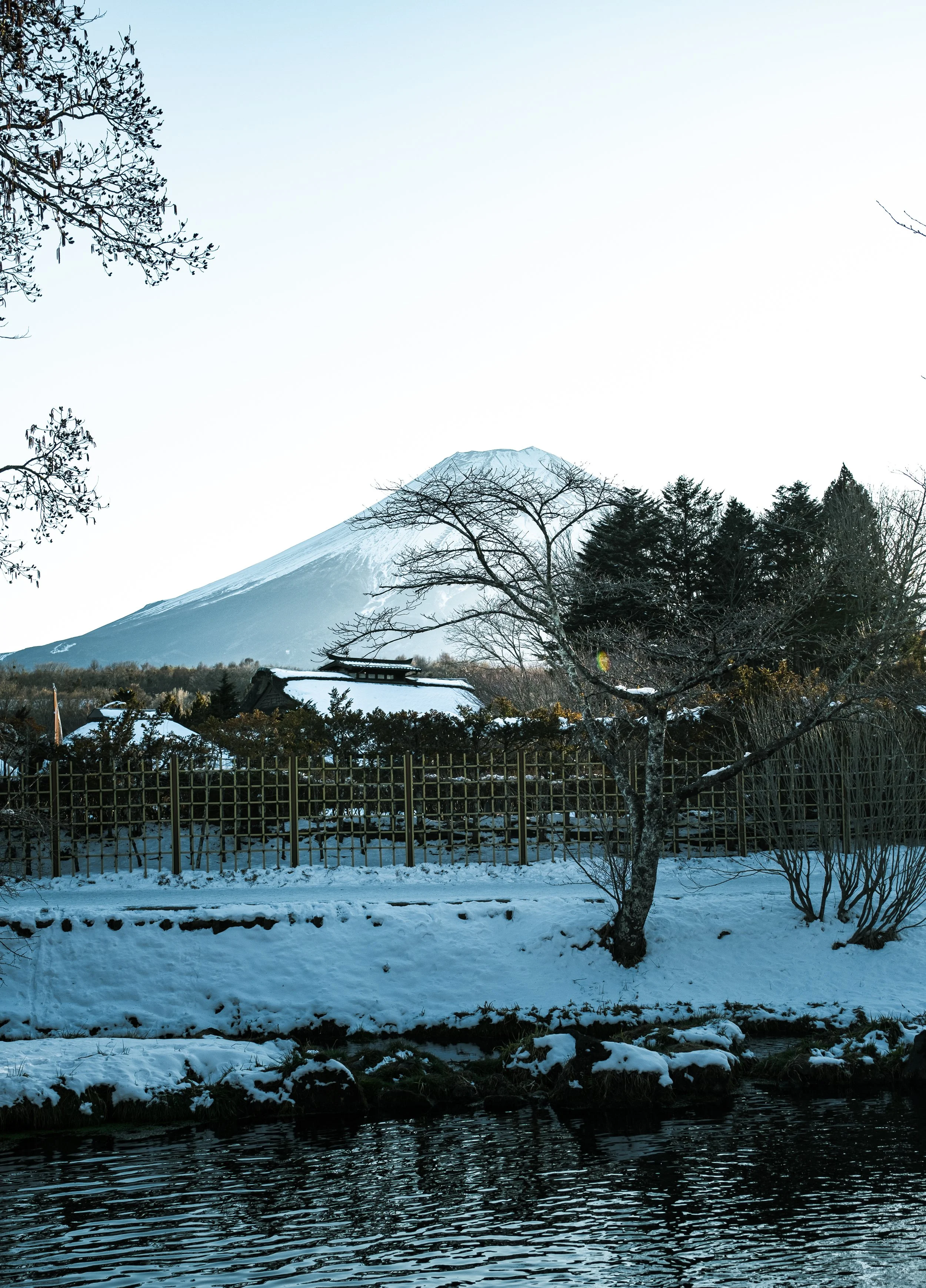
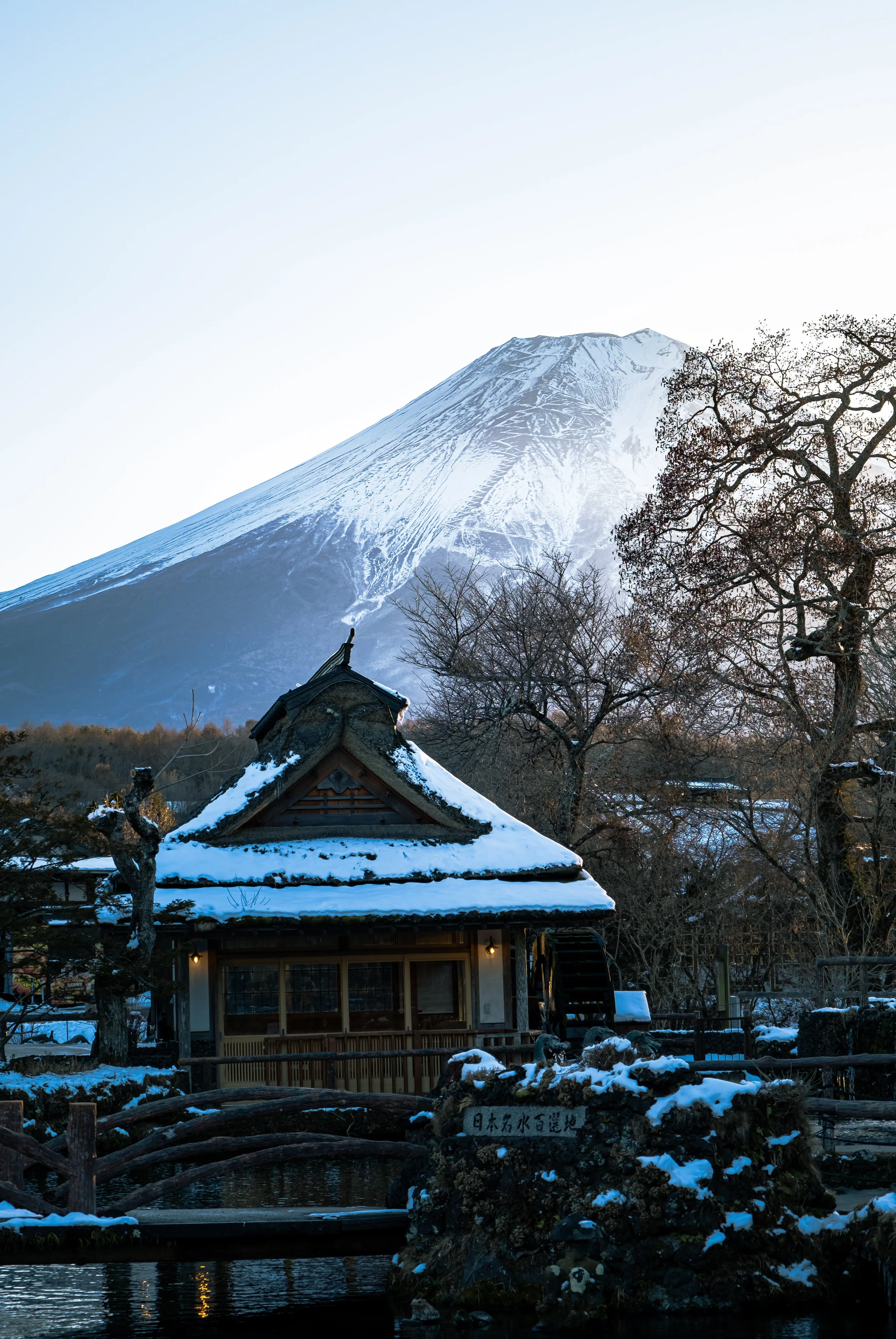
TRADITIONAL JAPAN: Head to Oshino Hakkai, a small village with traditional houses, spring-fed ponds, and local snacks.
Planning your priorities beforehand will save you valuable time.
CHECK THE WEATHER
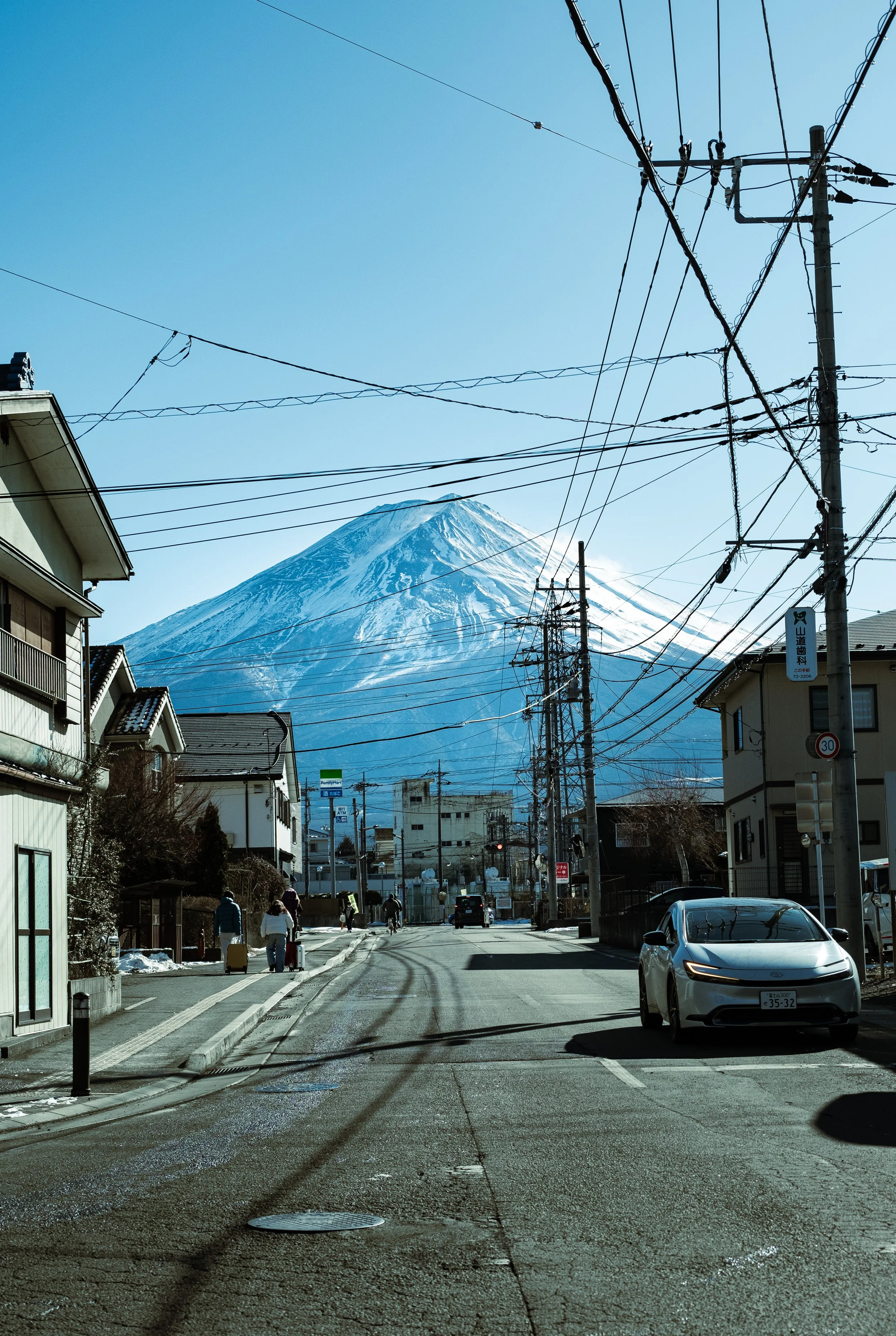
One of the biggest disappointments for visitors is arriving to find... no Mount Fuji. The most important thing before planning your trip to Mount Fuji is to check the weather, especially the clouds, to make sure Mount Fuji will be visible. Many assume it will always be there, but Mount Fuji is shyer than you might think. In my opinion, the best time to visit is winter when the skies are clearer, but check isfujivisible.com to check its visibility.
DON'T UNDERSTIMATE TRAVEL TIMES
Looking at a map, many attractions seem close together, however, buses may only run every 30–60 minutes, traffic can delay services, and transfers add unexpected waiting time. It's also important to know that almost all local buses stop running around 6 p.m., so check their schedule to avoid being stranded. A realistic itinerary often includes 3–4 major stops, not eight or nine.
IS A DAY TRIP ENOUGH?
Yes, but only if you plan carefully. Trying to see every attraction around Mount Fuji in one day usually leads to rushing from place to place. Instead, focus on one area, enjoy the scenery, stop for local food, and leave time to simply admire Japan's most iconic mountain. If you have two days, or three days consider spending a couple days in Kawaguchiko.
FINAL THOUGHTS
A day trip to Mount Fuji from Tokyo is one of the most rewarding experiences in Japan, but it also requires careful planning.
Book transportation in advance, check the weather, choose a few attractions instead of trying to see everything, and give yourself enough time to enjoy the journey. Mount Fuji isn't just another tourist stop: it's a place best appreciated at a leisurely pace.
I set out to see Mount Fuji, but what I got was the reminder that not everything iconic is easy, not everything beautiful is visible on command, and not every place is destined to give you what you expect.