EXPLORING KYOTO SLOWLY: TEMPLES, TEA CEREMONIES & QUIET MOMENTS
Useful Links for your Trip to Kyoto:
Related Articles:
I imagined Kyoto as a slightly calmer version of Tokyo. I arrived expecting temples, crowds, and postcard moments. And yes, Kyoto has all of that. I also found peace, with small temples nestled atop mountains and Zen gardens, as well as glimpses of streets where only silence reigns.
This isn’t a “top 10 things to do in Kyoto” kind of guide. It’s more like a collection of moments, places, and small experiences that shaped the way I saw the city.
Some of my best memories in Kyoto were discovering temples and nature, small cafes with a nostalgic atmosphere, and tiny restaurants run by O-bachan.
Kyoto taught me the art of slowing down and living in the moment, as I discovered ancient traditions and customs.
FUSHIMI INARI
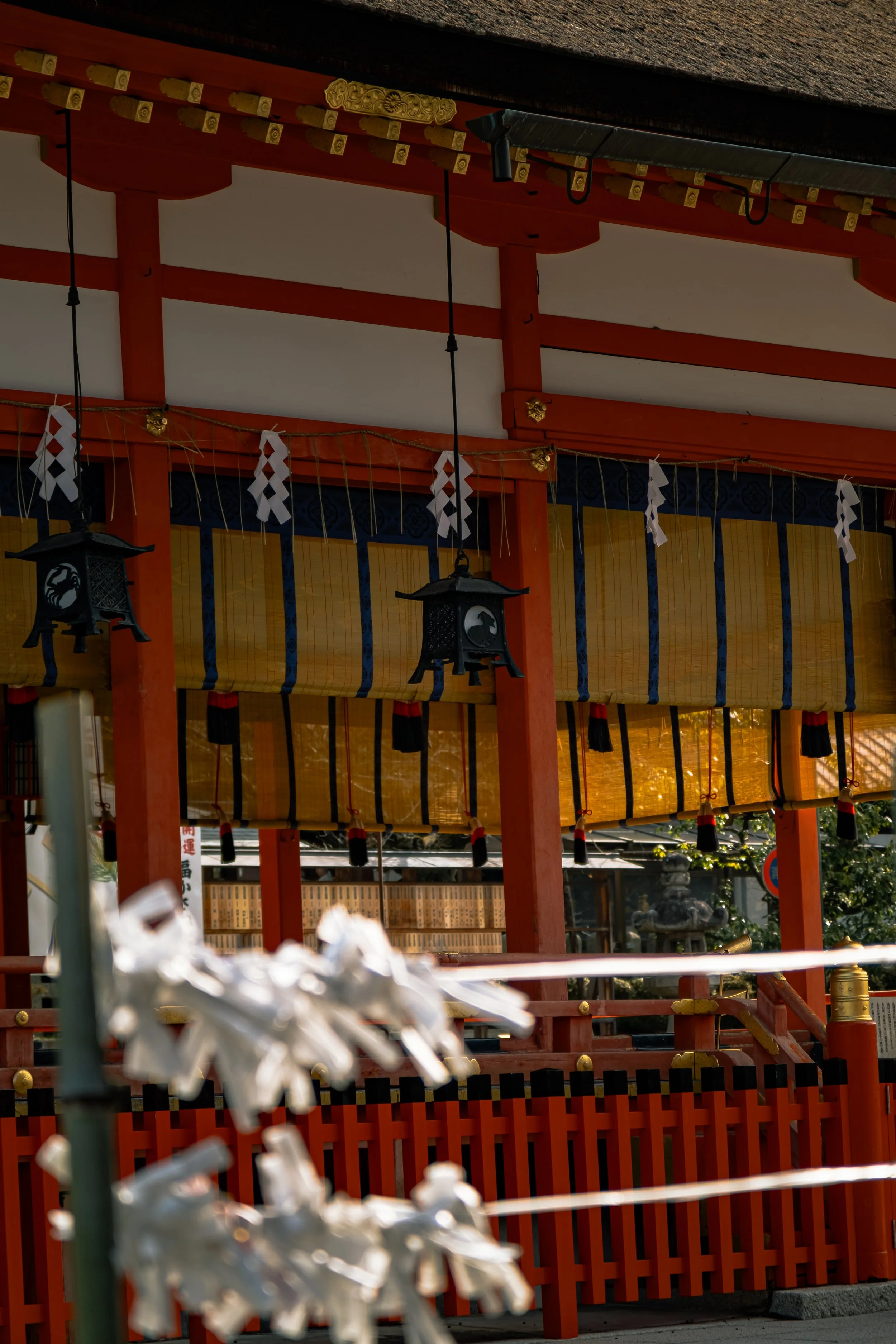
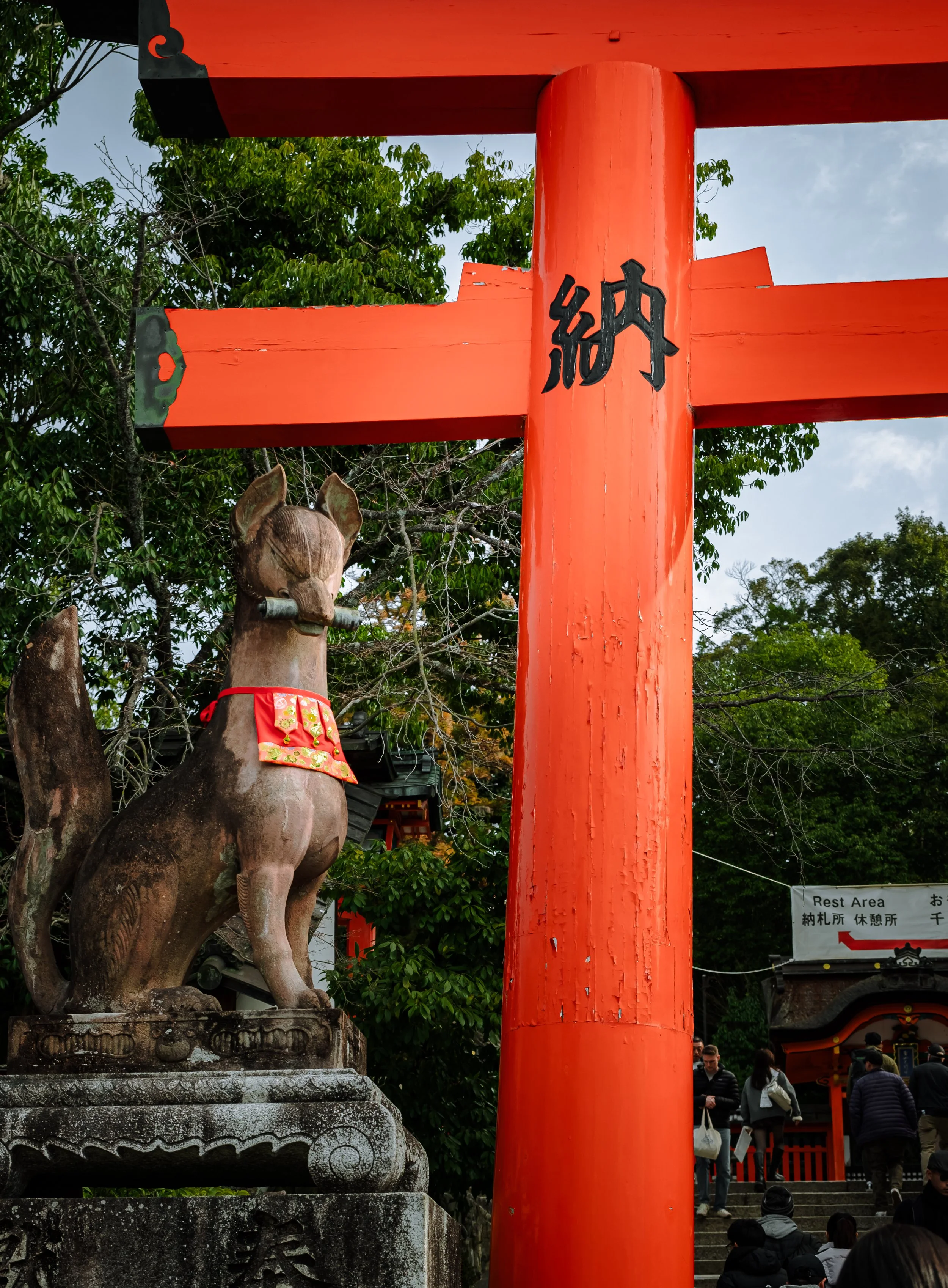
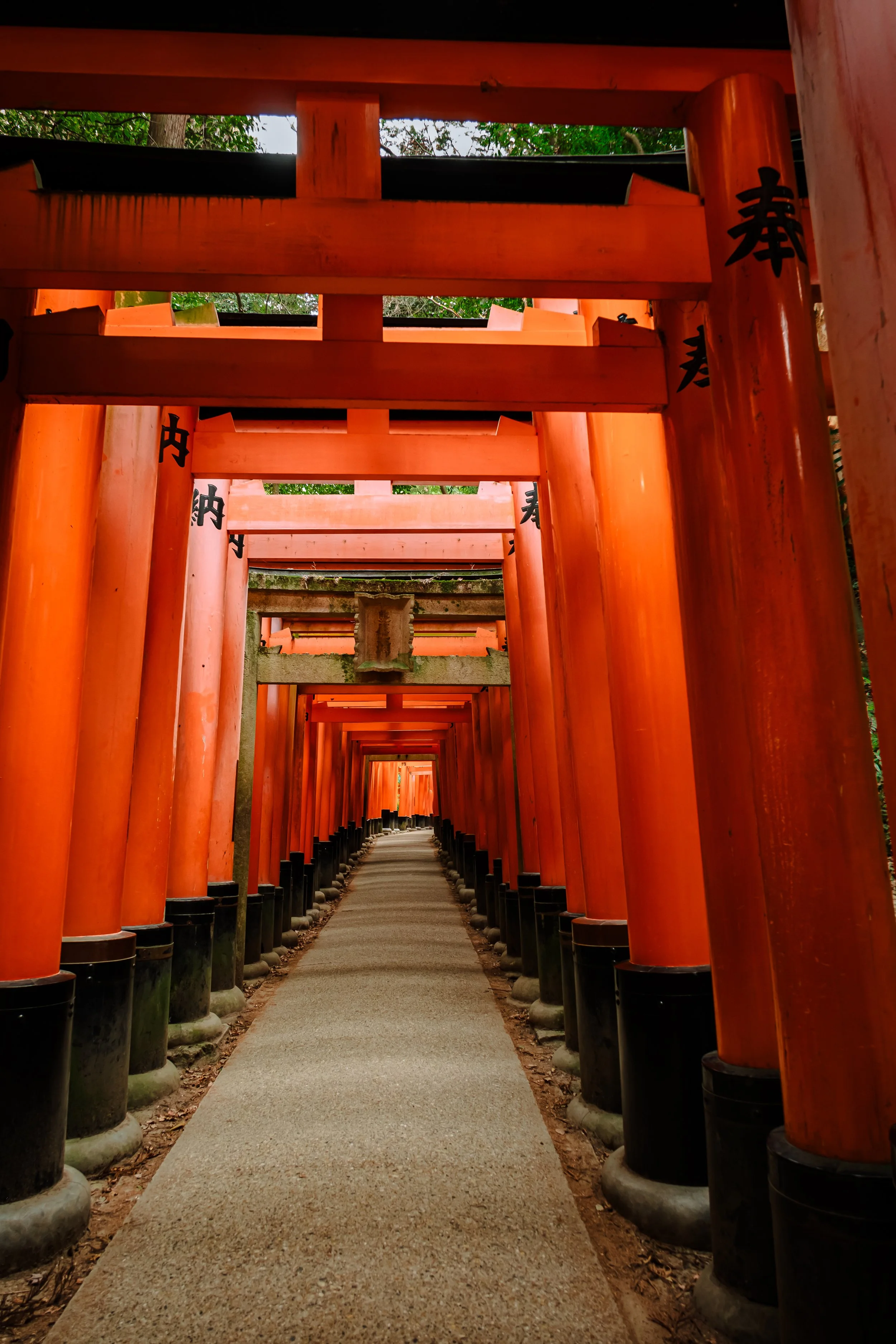
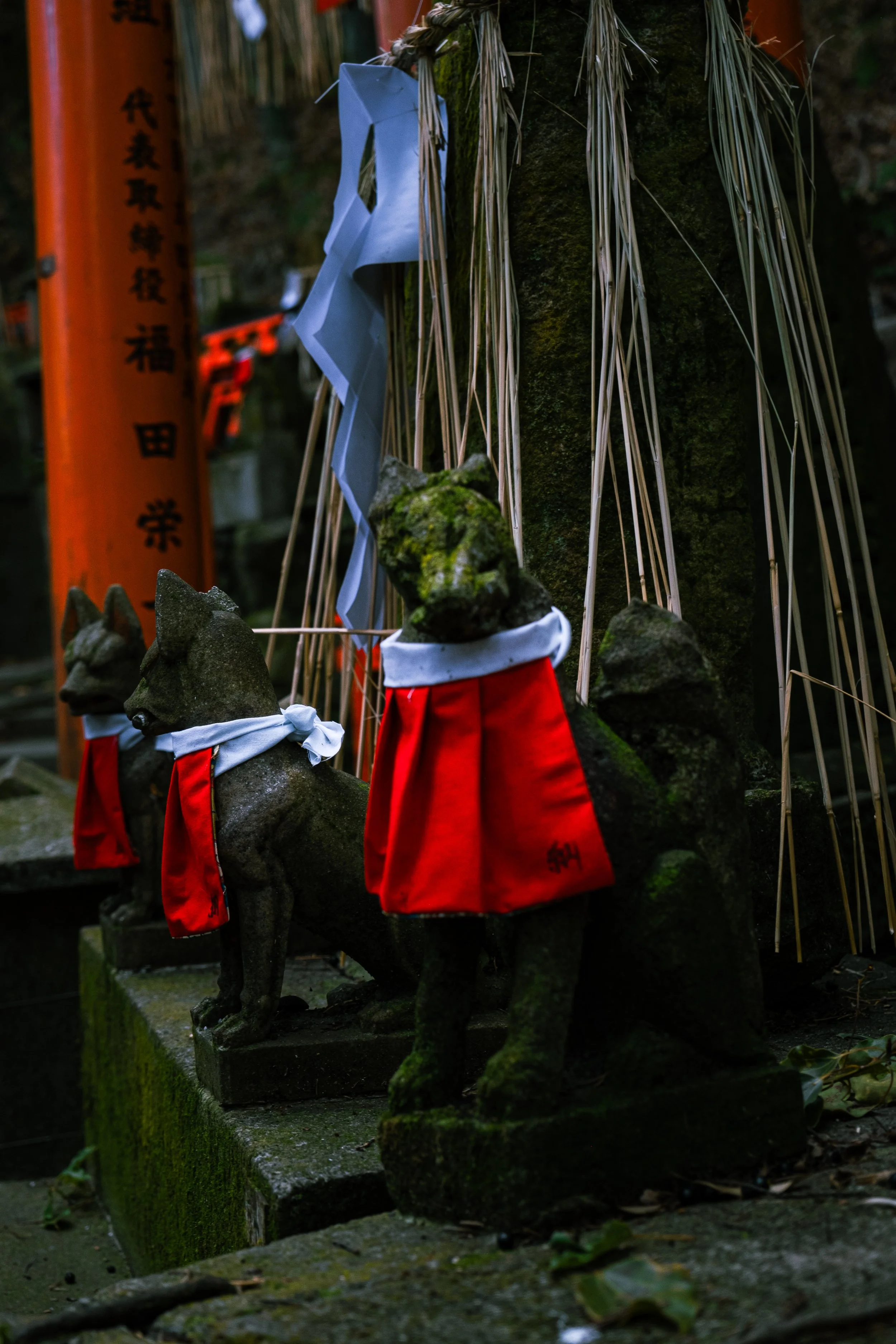
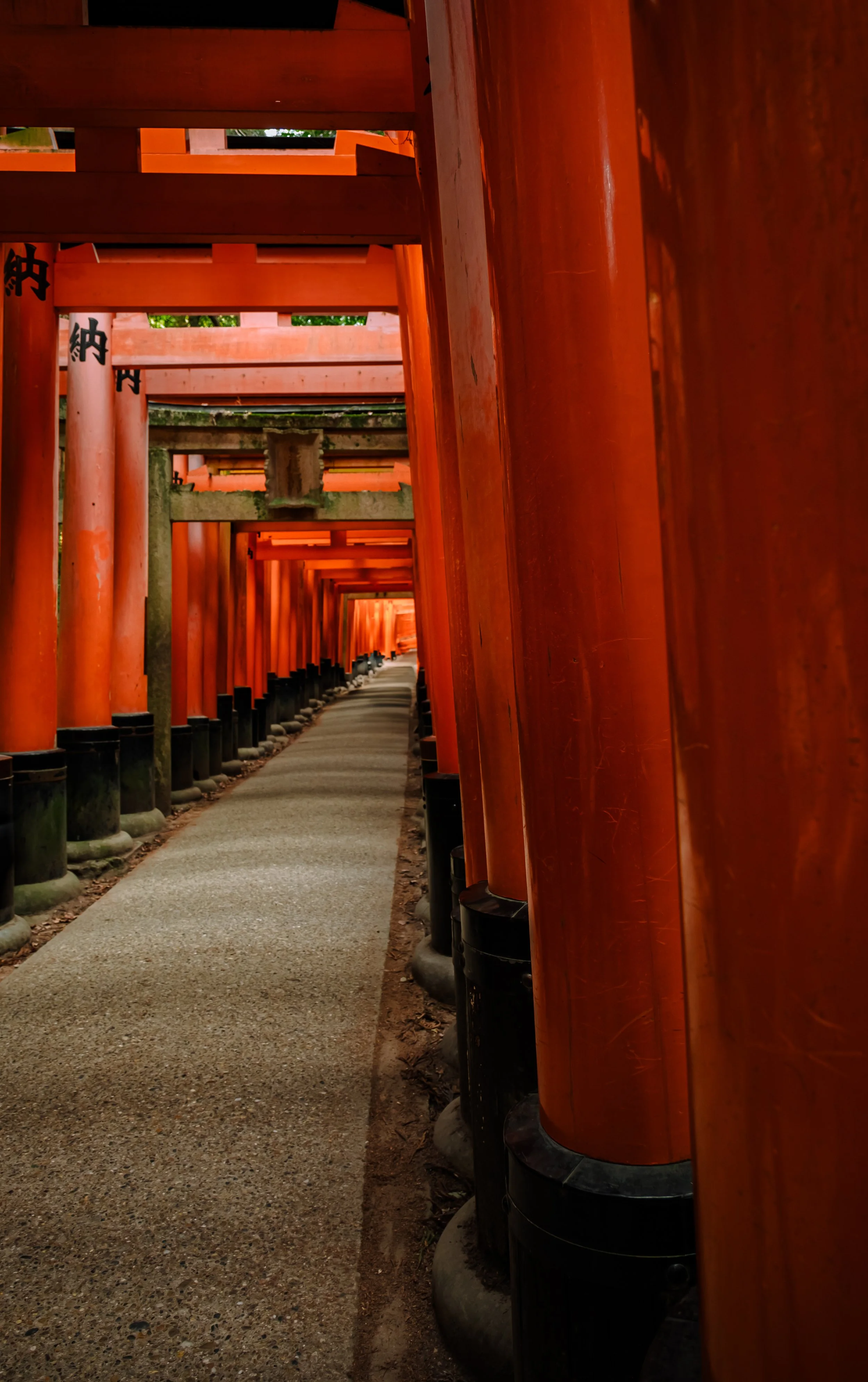
Obviously, one of Kyoto's most iconic places is Fushimi Inari. Walking through the endless red torii gates of Fushimi Inari feels almost surreal. At first, you notice the color, the rhythm of the gates repeating one after another. Everyone will tell you to go very early to beat the crowds you'll inevitably encounter. Personally, I could not be bothered, and if you're like me, my advice is to simply keep walking. Many stops halfway, thus missing out on the magic this place has to offer. But the deeper you go, the quieter it gets. The crowds thin out, the air changes, and suddenly it’s just you, your footsteps, and the forest, and you'll be greeted by small temples with a mysterious atmosphere. The goal isn't to reach the top; the magic lies in the spaces in between: the pauses, the detours, the moments when you stop and realize how still everything is.

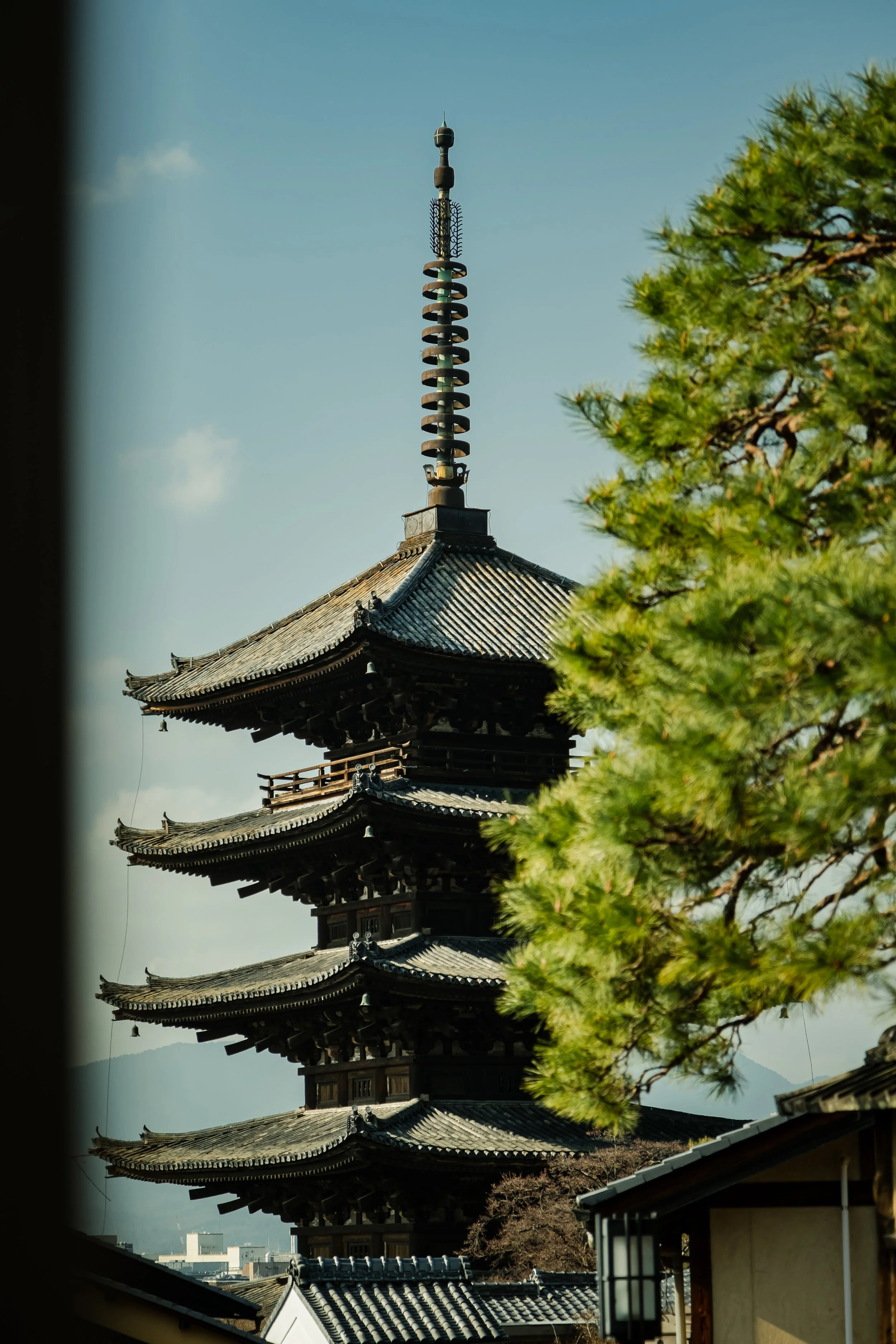
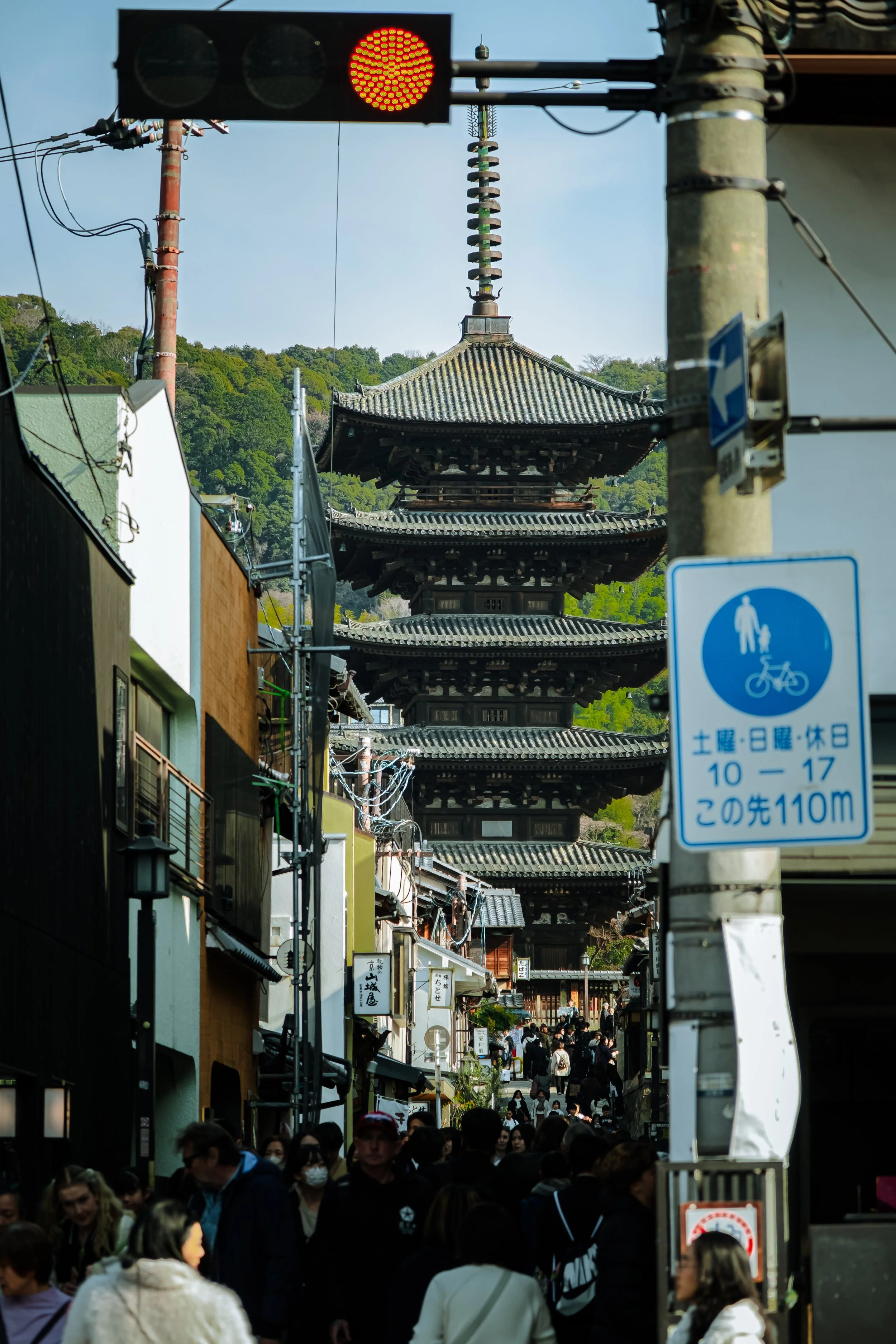
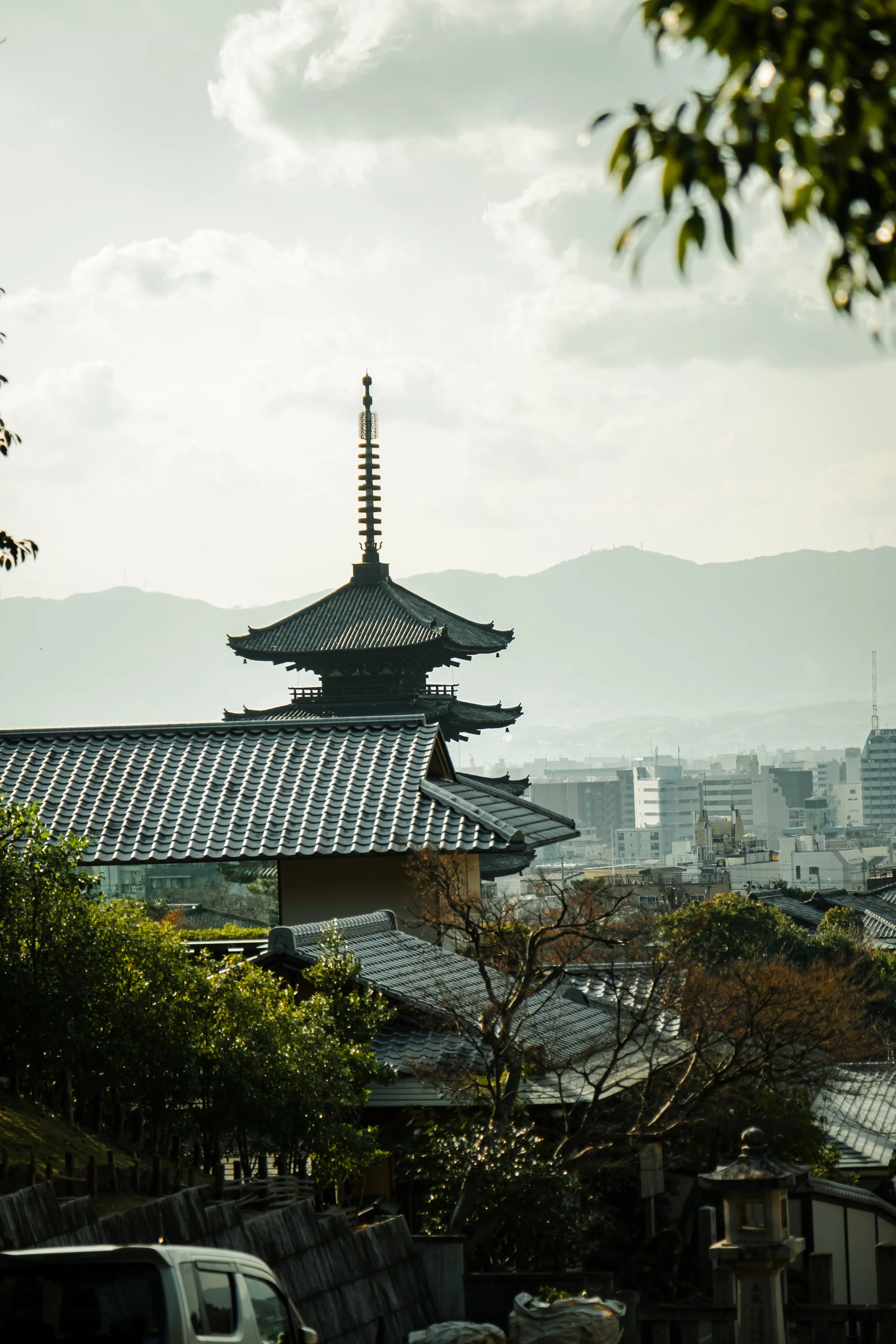
YASAKA PAGODA
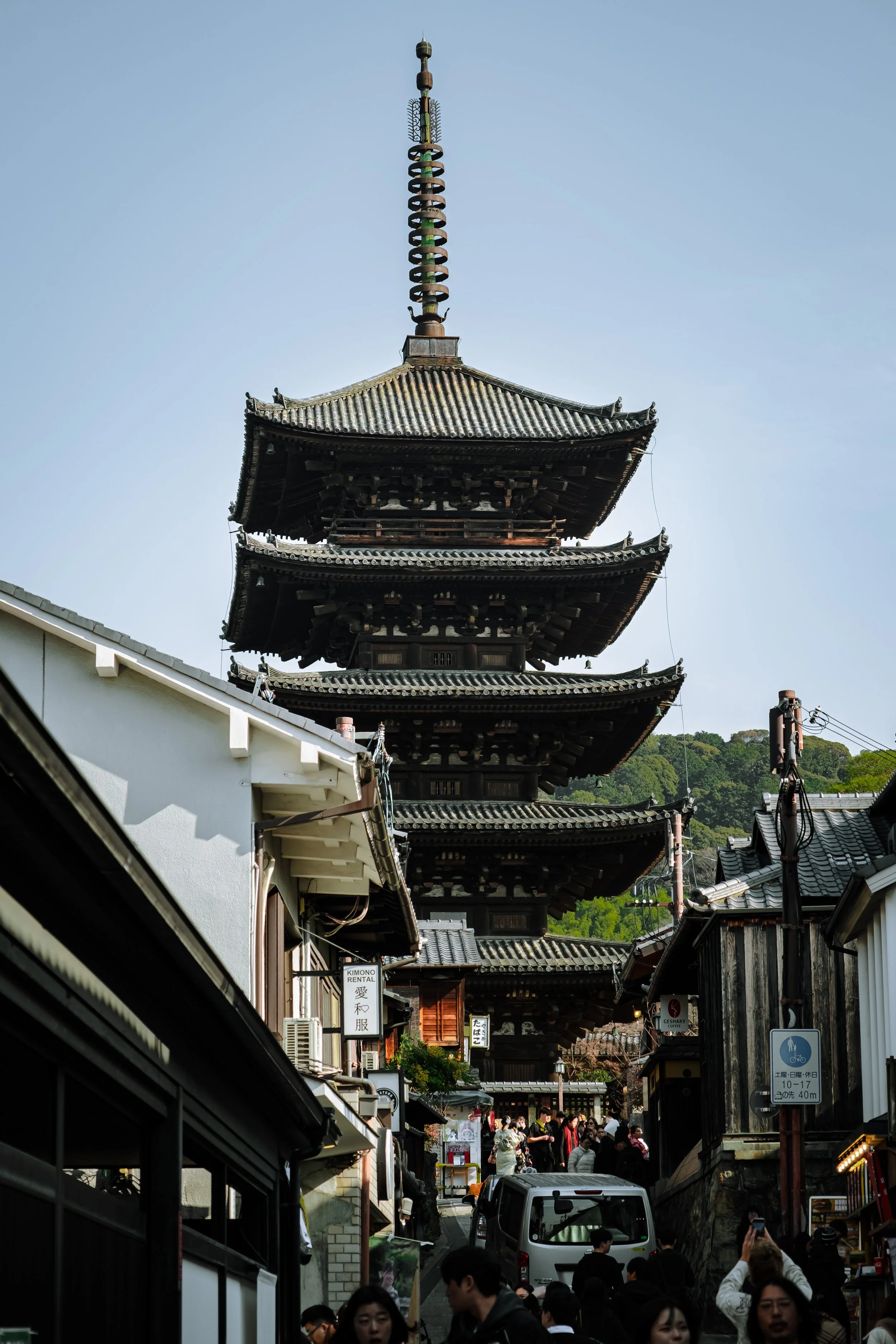
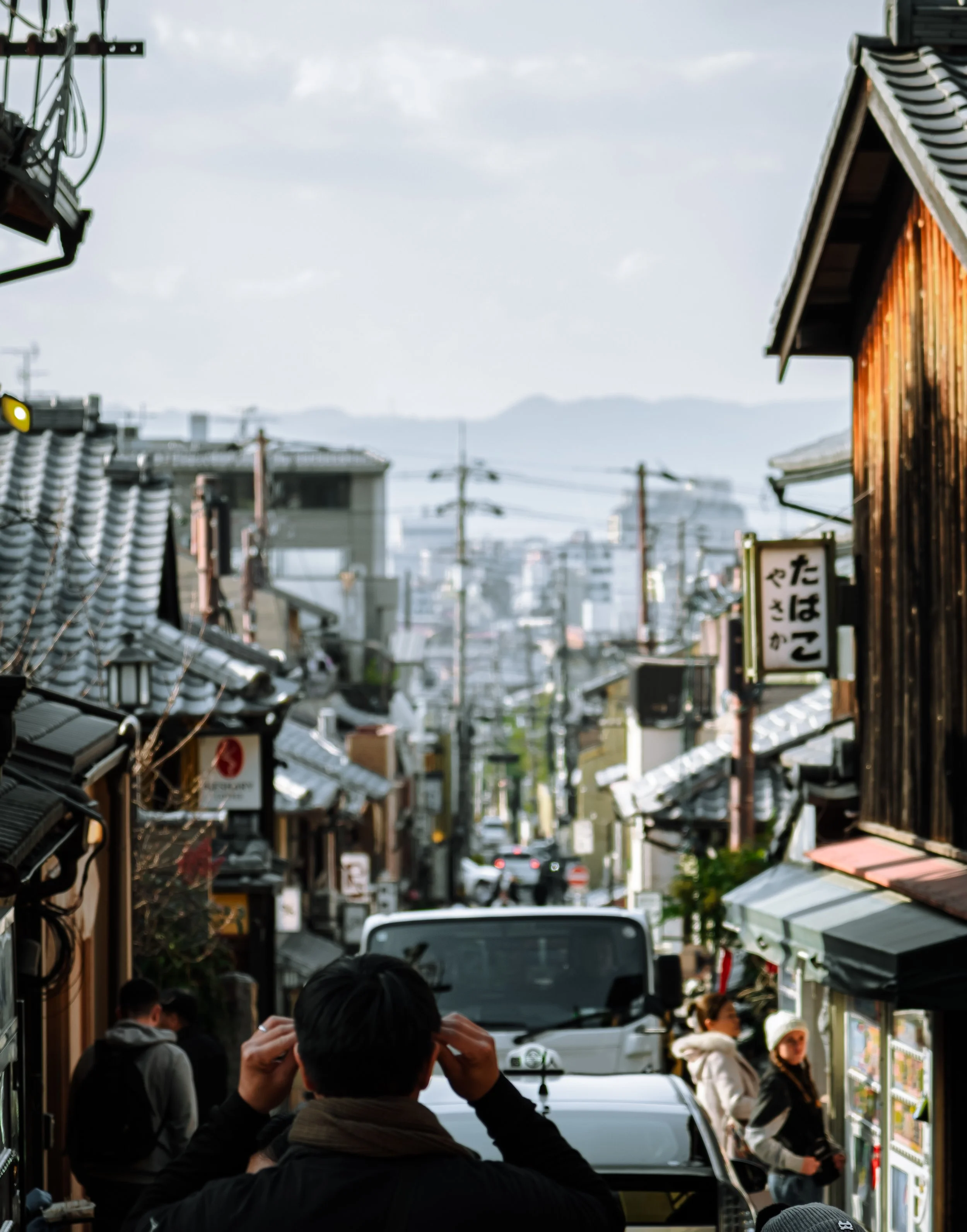
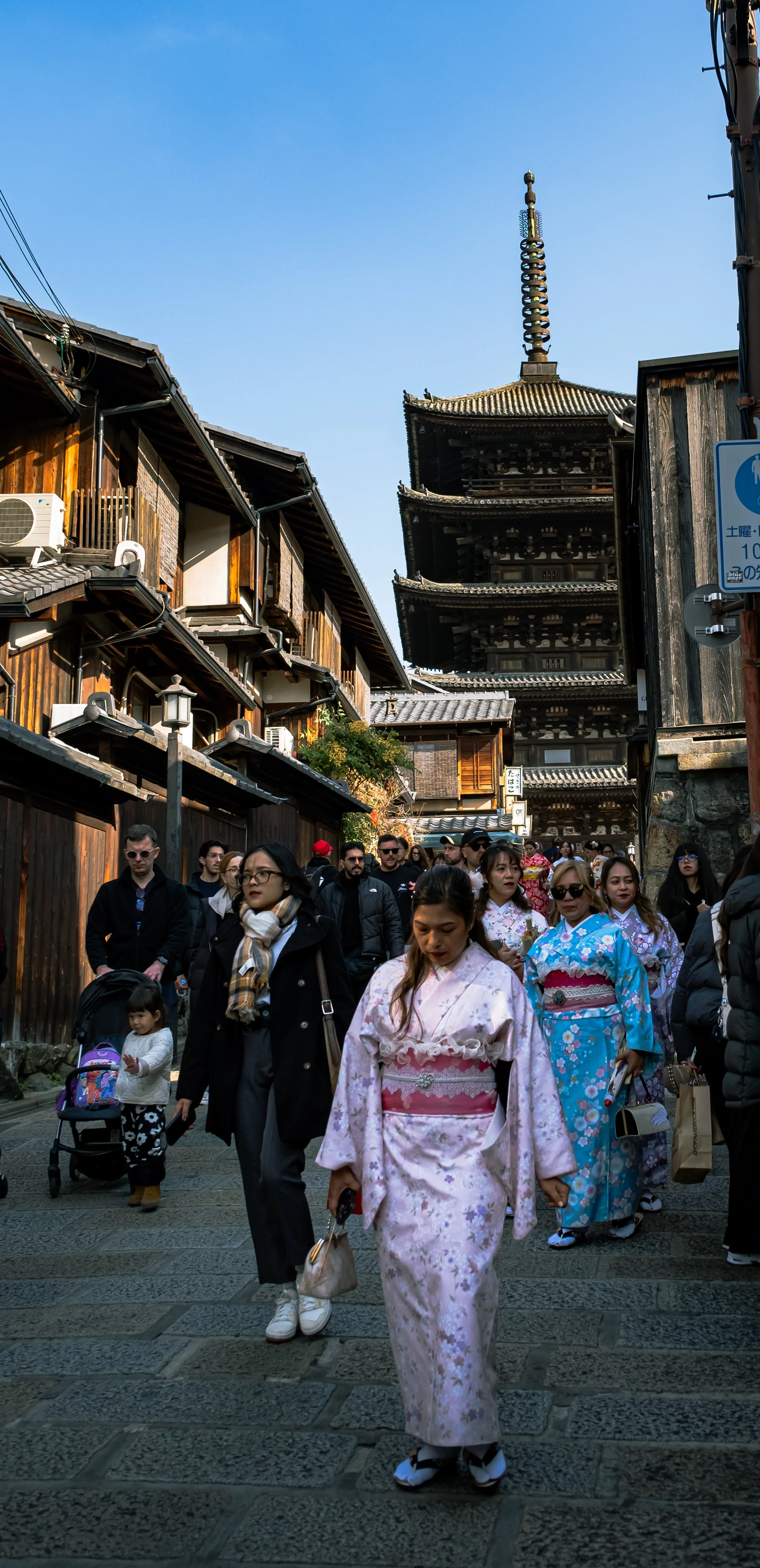
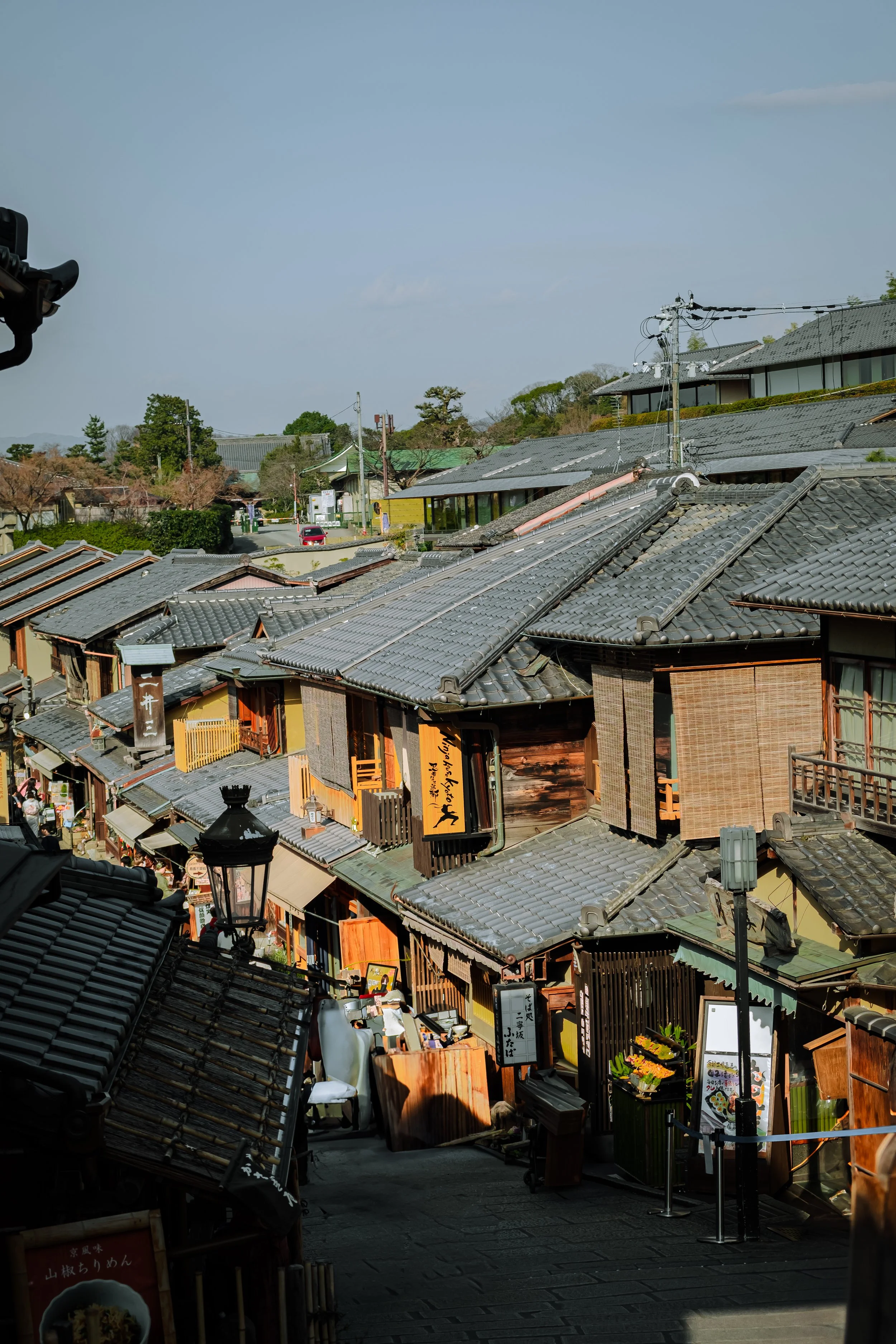
Another iconic site in Kyoto is the Yasaka Pagoda and the Higashiyama district. It's one of Kyoto's best-preserved historic districts, a destination where hundreds of tourists year-round, where narrow alleys, wooden buildings, and traditional shops evoke the atmosphere of the ancient capital.
WANDERING THROUGH NISHIKI MARKET
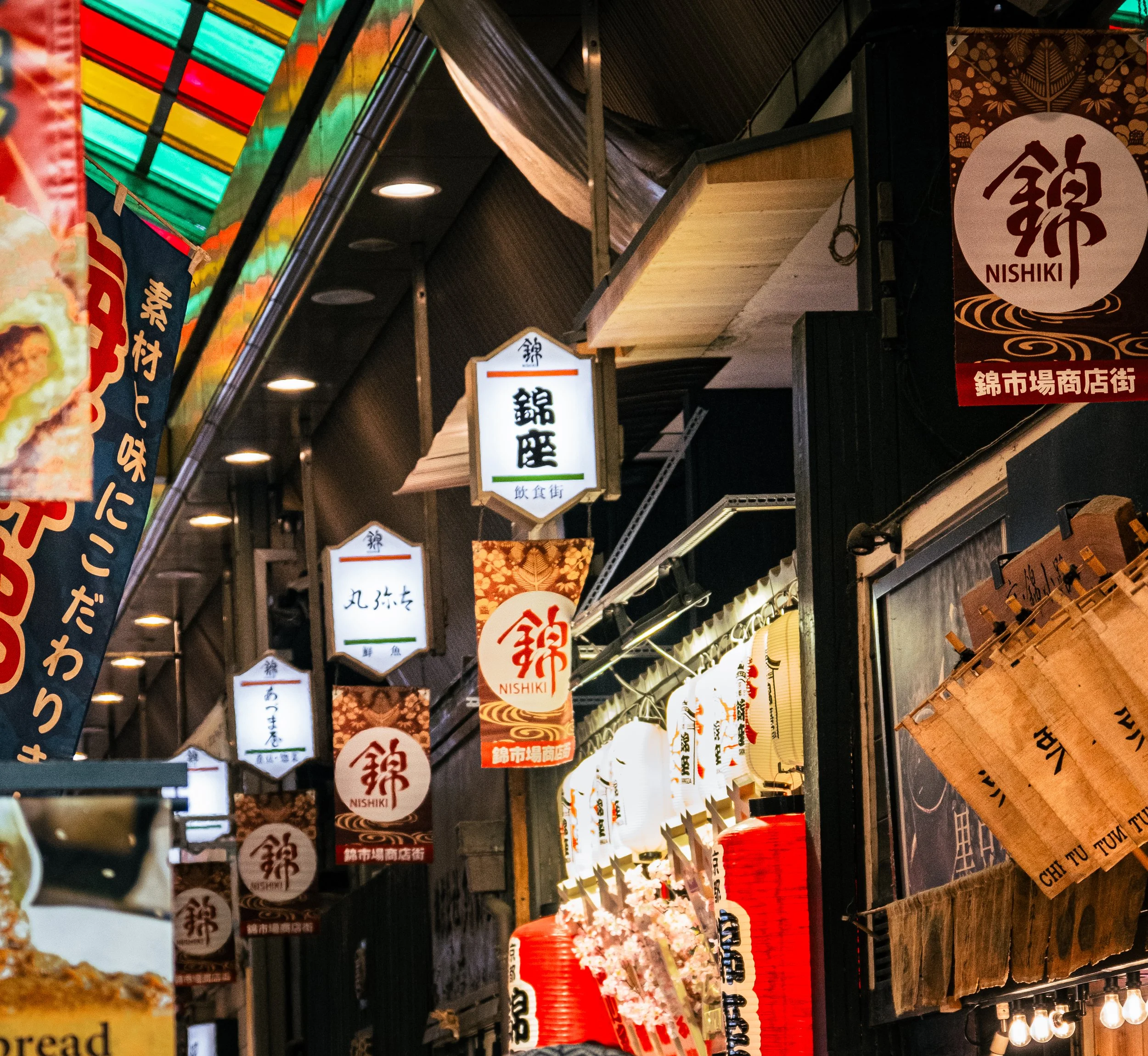
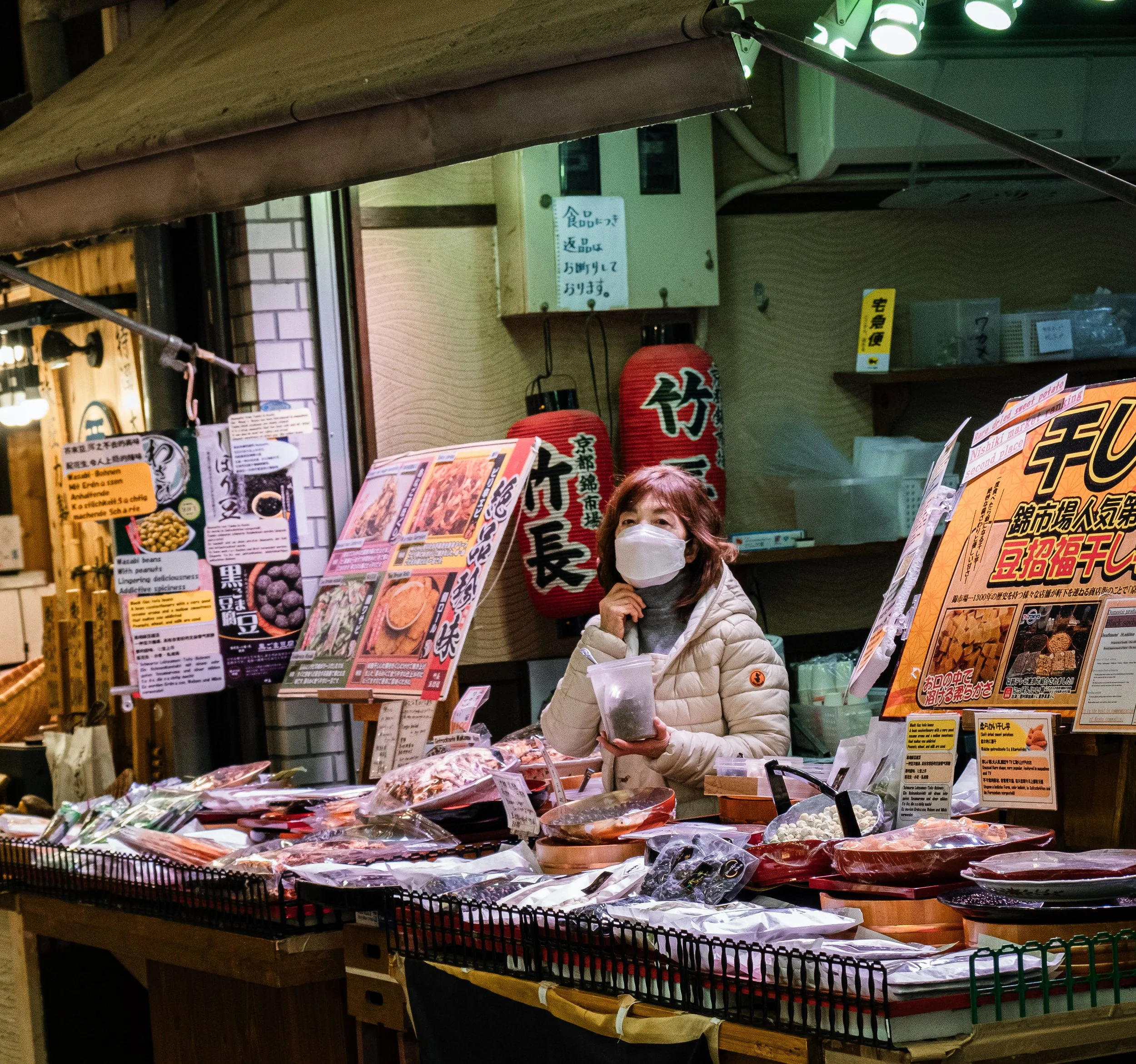
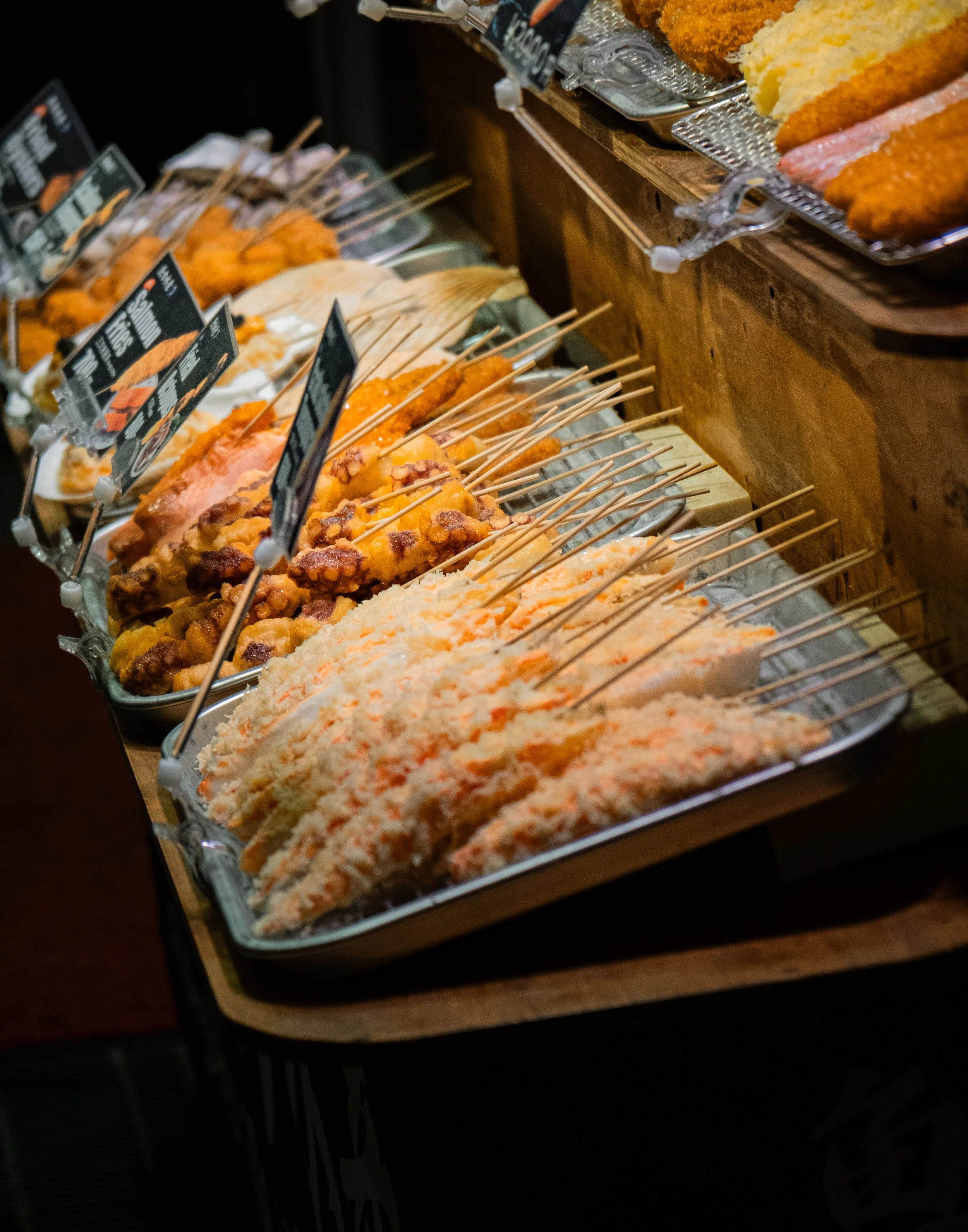
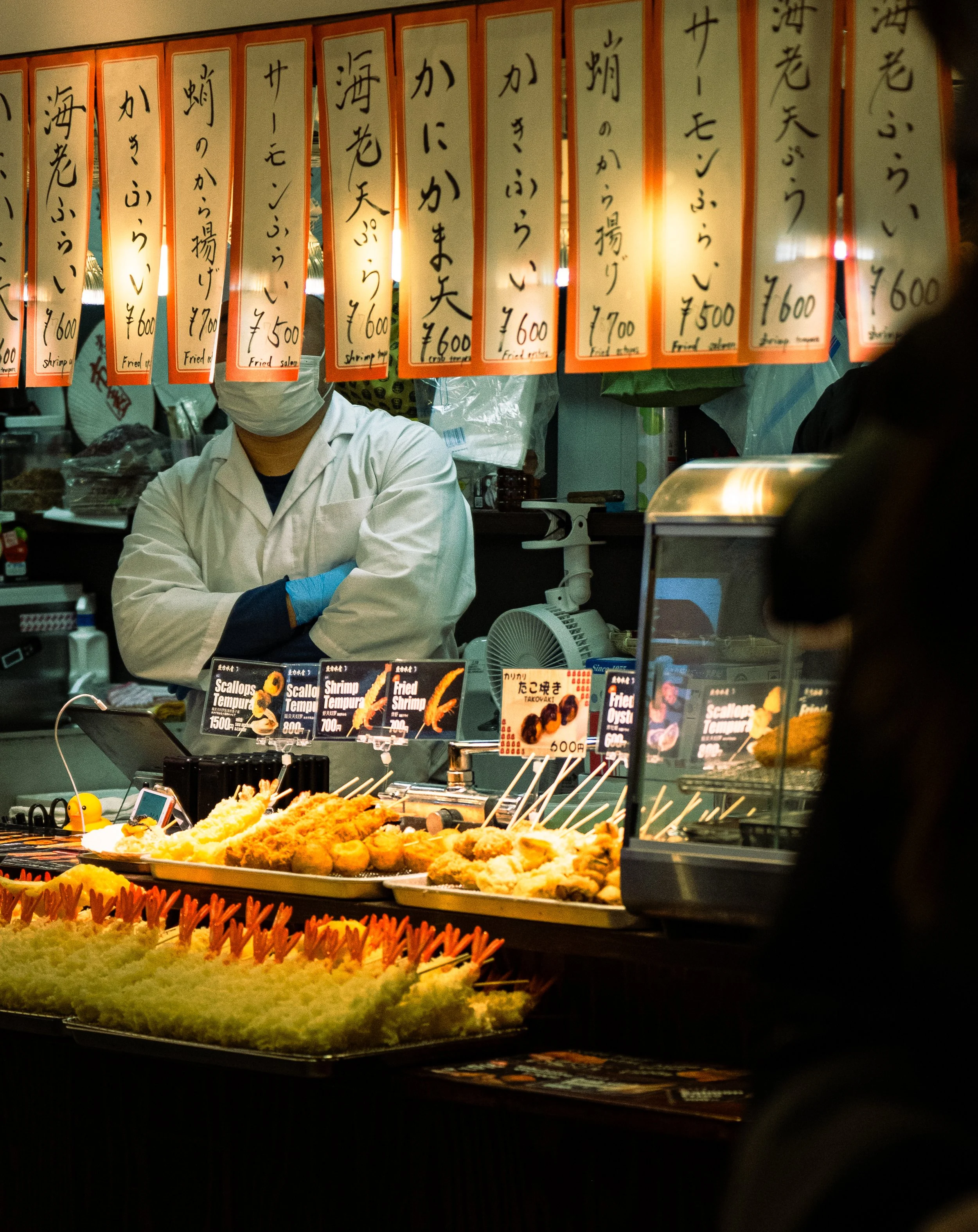
While Kyoto can be a peaceful place at times, Nishiki Market is anything but. While it's controversial for many because it can be considered a tourist trap and the prices are more high than other parts of Kyoto, I think it's still worth a visit and trying some of its delicacies. Here you can find everything from sushi to steaming takoyaki, fruit and vegetables, steamed crab, and much more. Nishiki Market is known as "Kyoto's Kitchen," and despite being very touristy today, this market is at least 400 years old, and entire generations have made it their home and source of income. Nishiki Market feels like a snapshot of daily life in Kyoto, interwoven with centuries of culinary tradition.
A WALK THROUGH GION
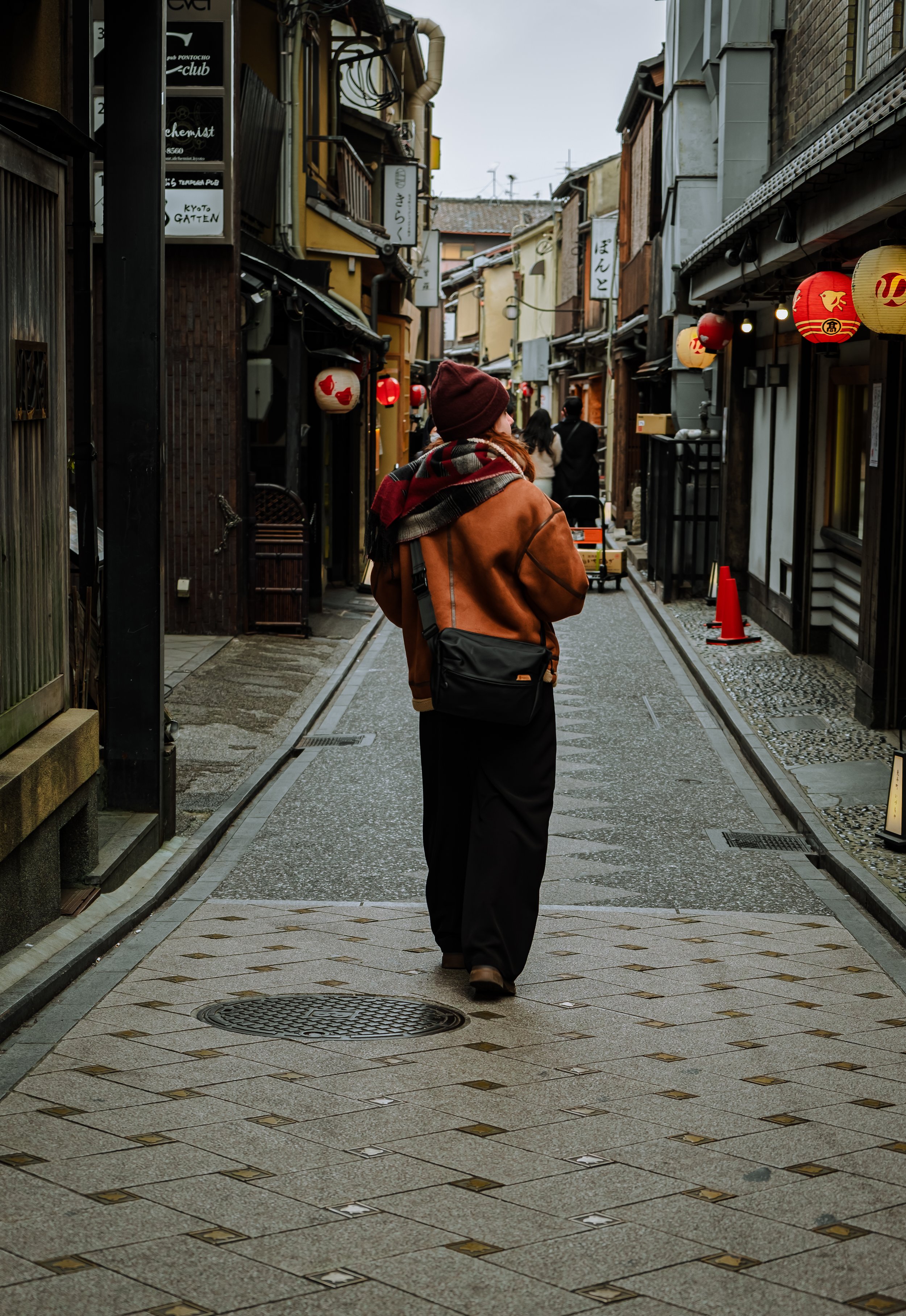
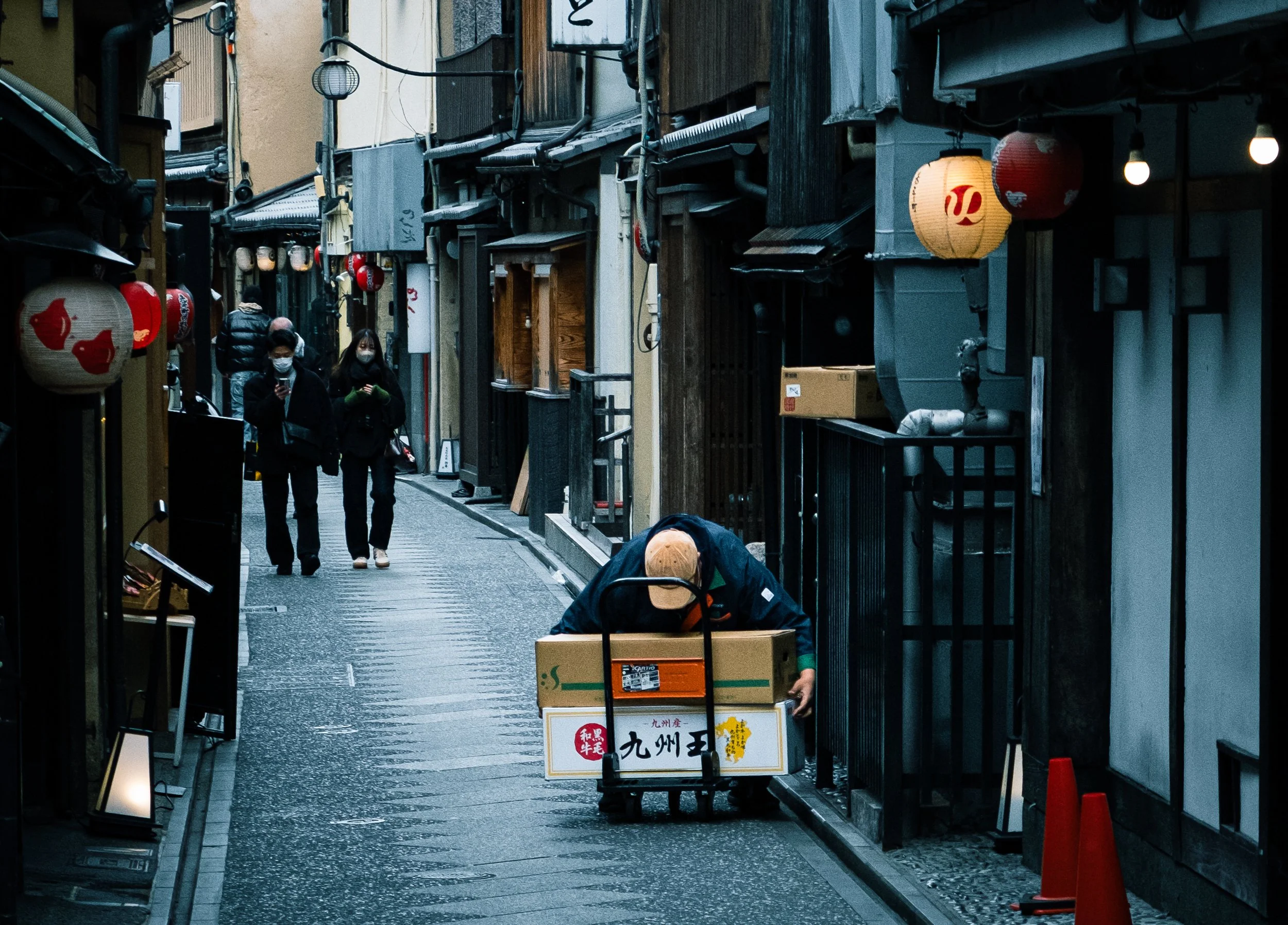
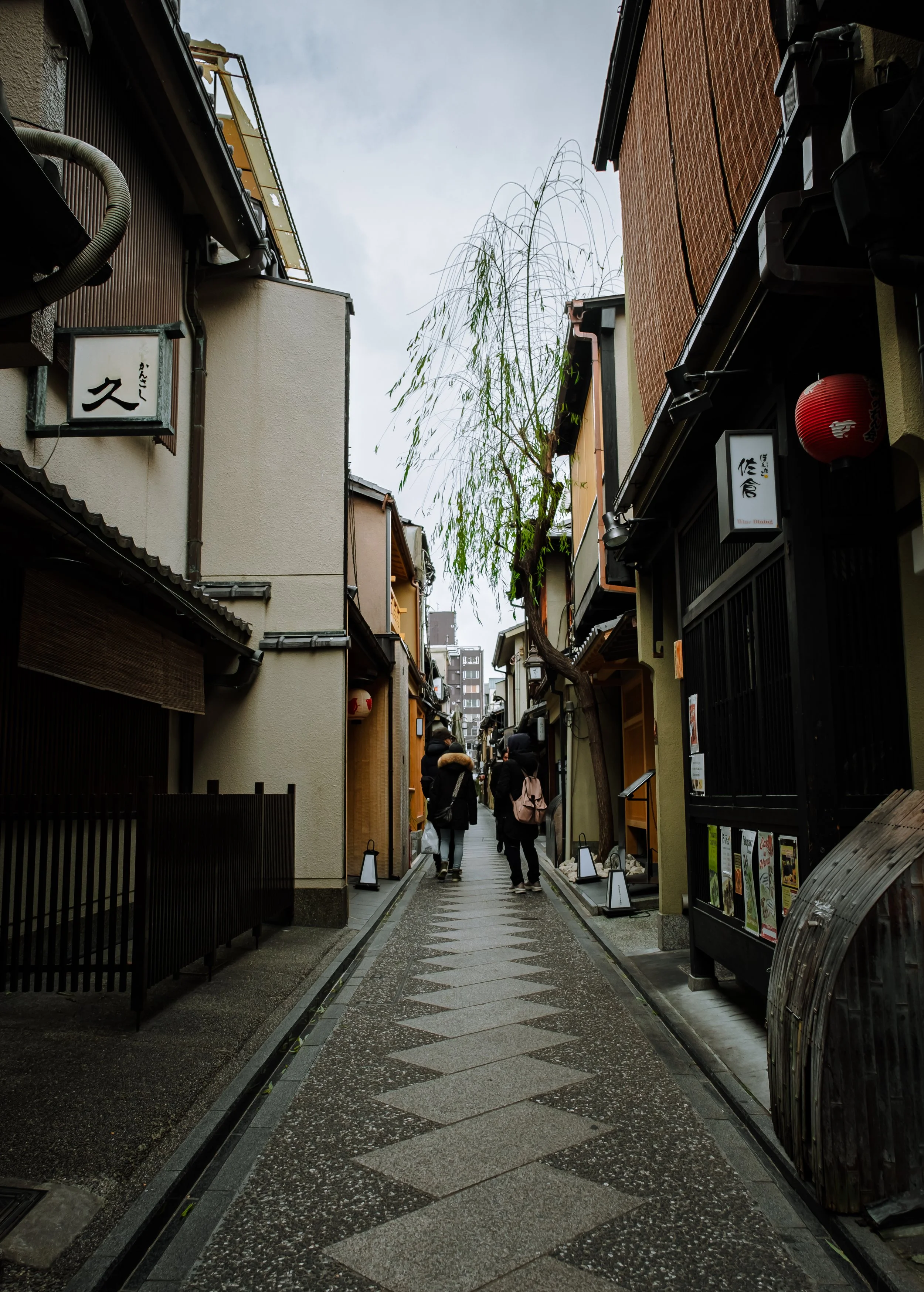
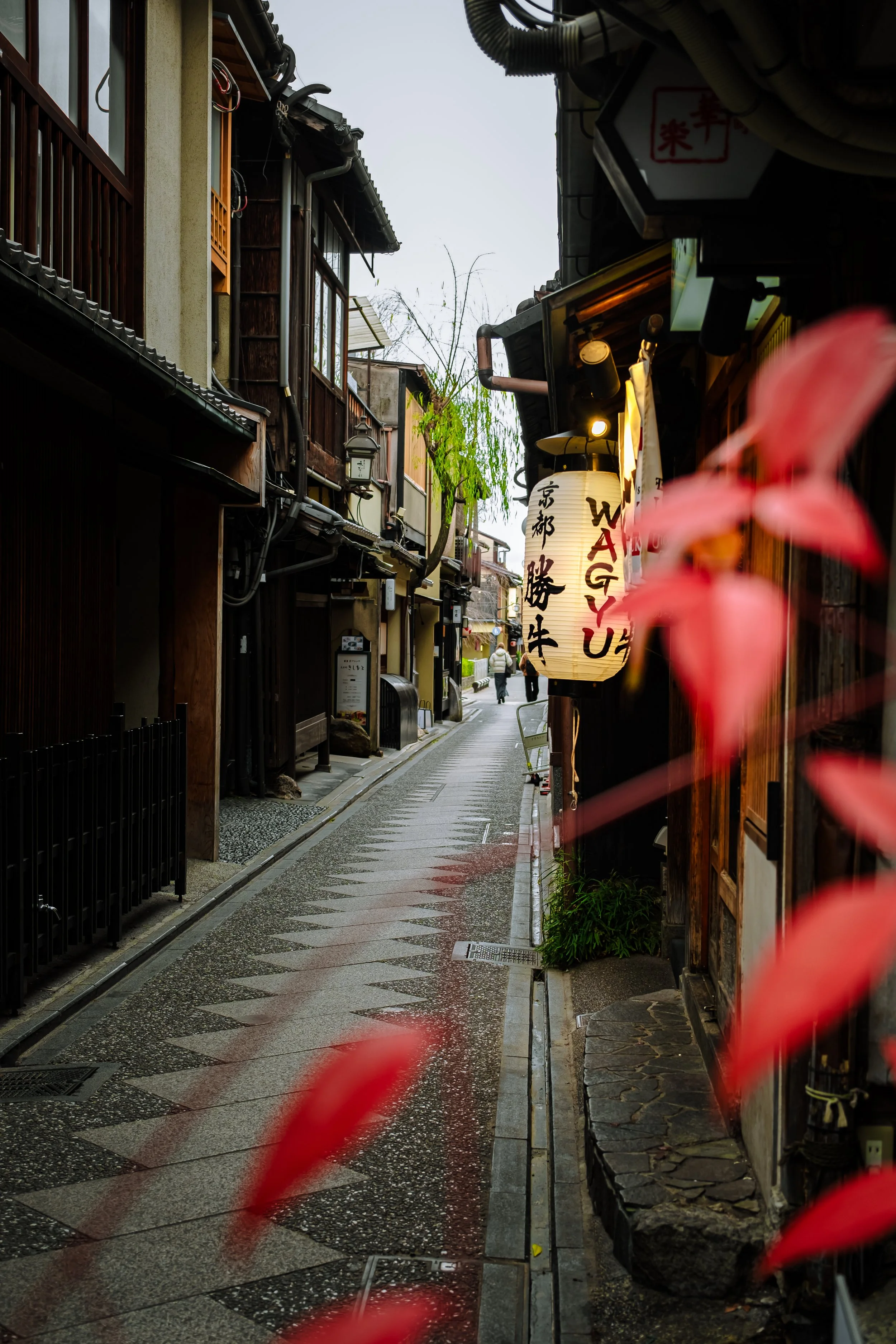
I'll be honest, when I first set foot there, I hadn't realized where I was until I spotted a geisha rushing into a bar, and then I realized I was in the Gion district. Walking through its streets feels less like exploring a city than like being on a movie set. Many visit Gion hoping to spot a geisha scurrying through the streets, and yes, it can happen but its true beauty is slower and more tranquil than that. I found myself navigating aimlessly.
WALKING THE PHILOSOPHER’S PATH
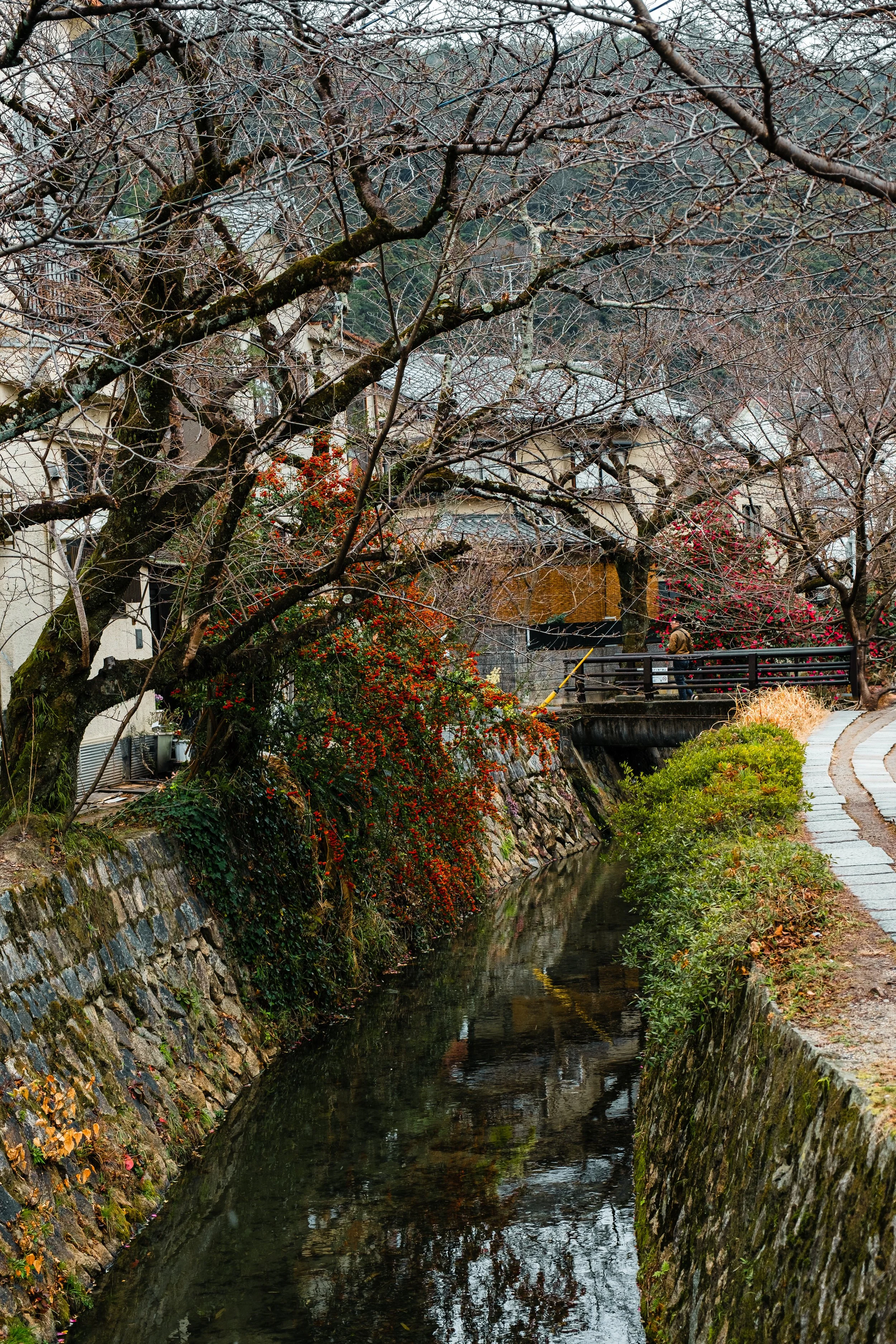
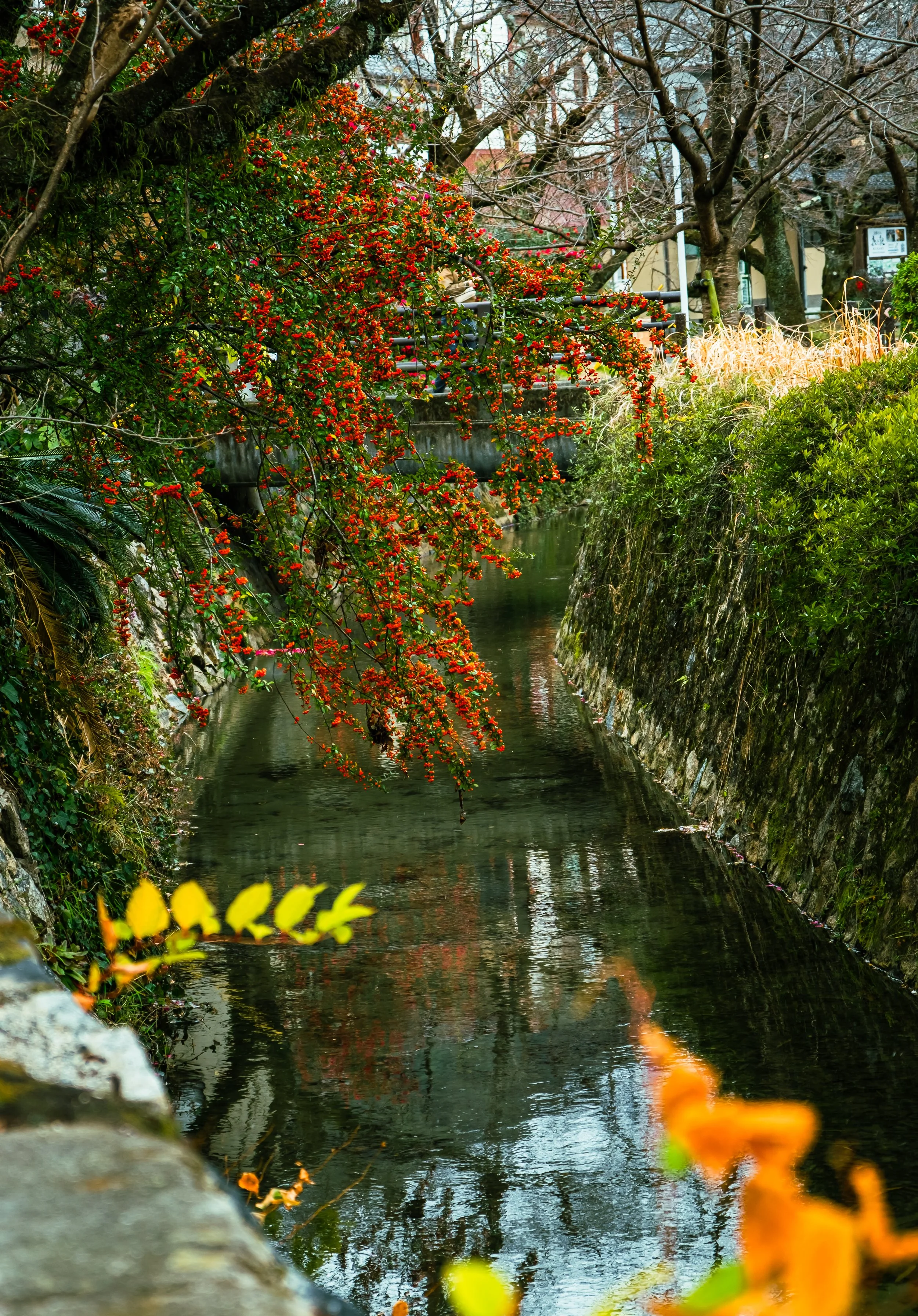
Don't expect breathtaking viewpoints or "wow" landmarks. It's simply a quiet stone-paved path that runs along a small canal, lined with trees, cafes, temples, and quiet corners. And that's precisely its beauty. I walked slowly, fully enjoying its calm and tranquil atmosphere, and I could only imagine how wonderful it would be to enjoy it during the cherry blossom season in spring.
KIFUNE SHRINE AND MOUNT KURAMA
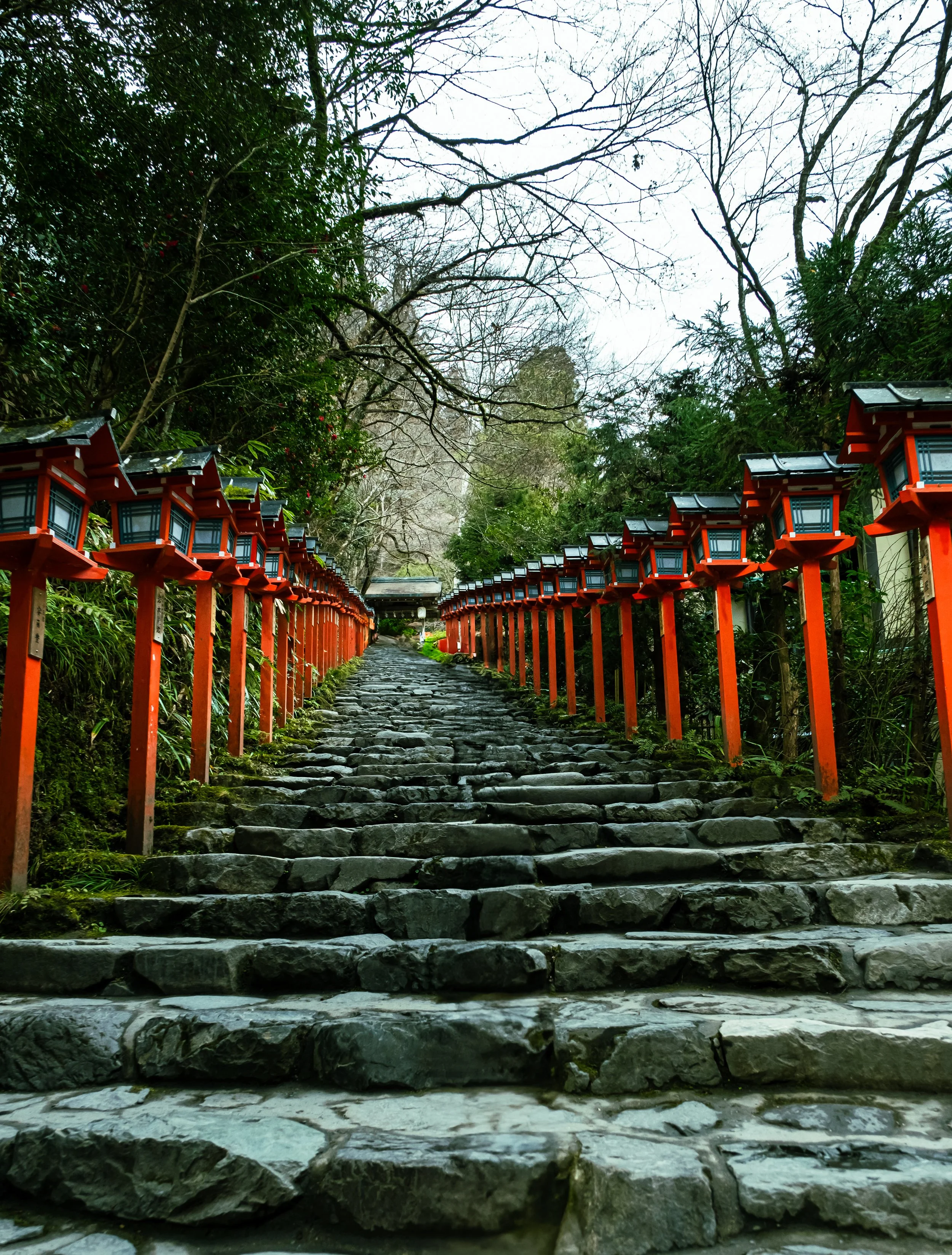
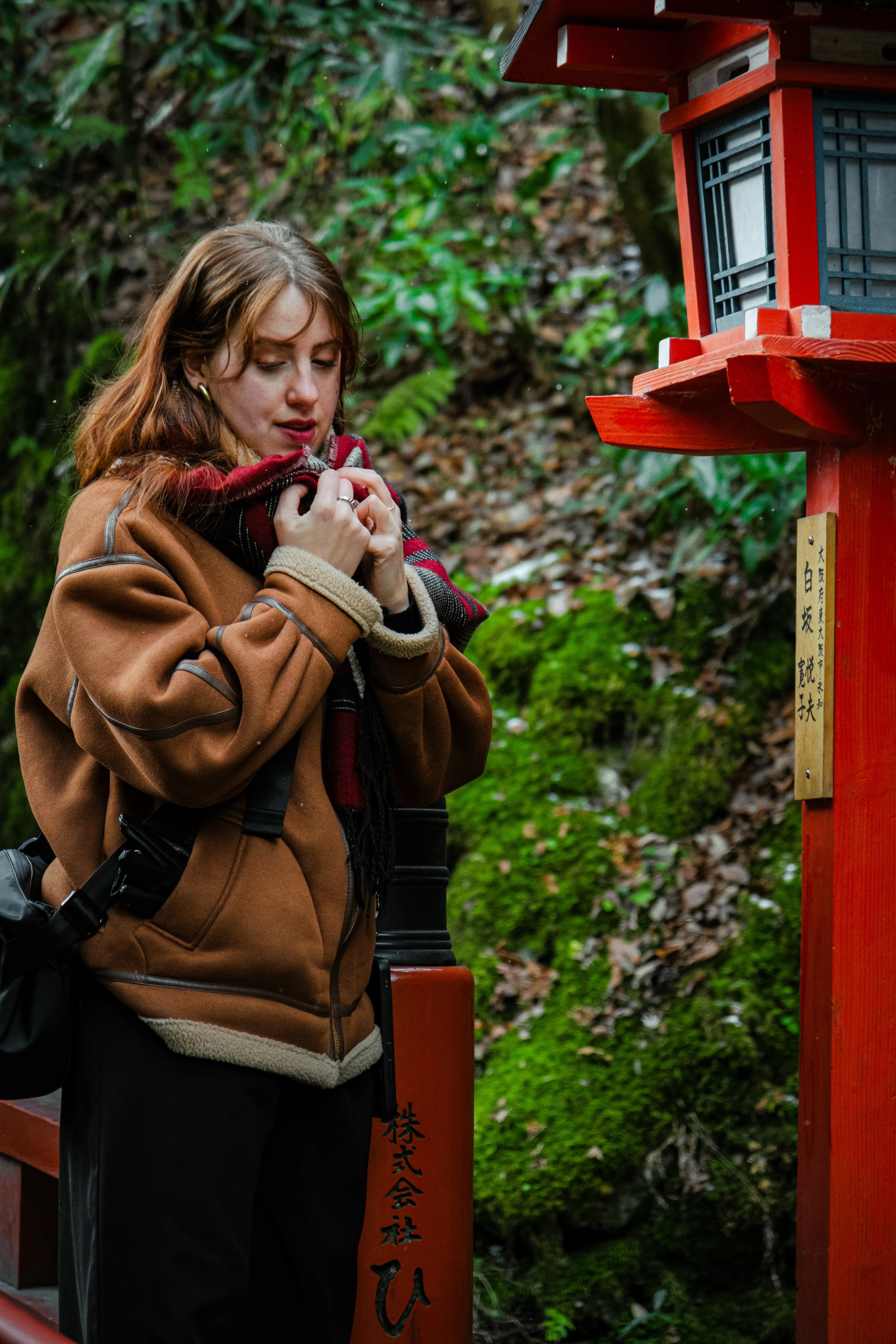
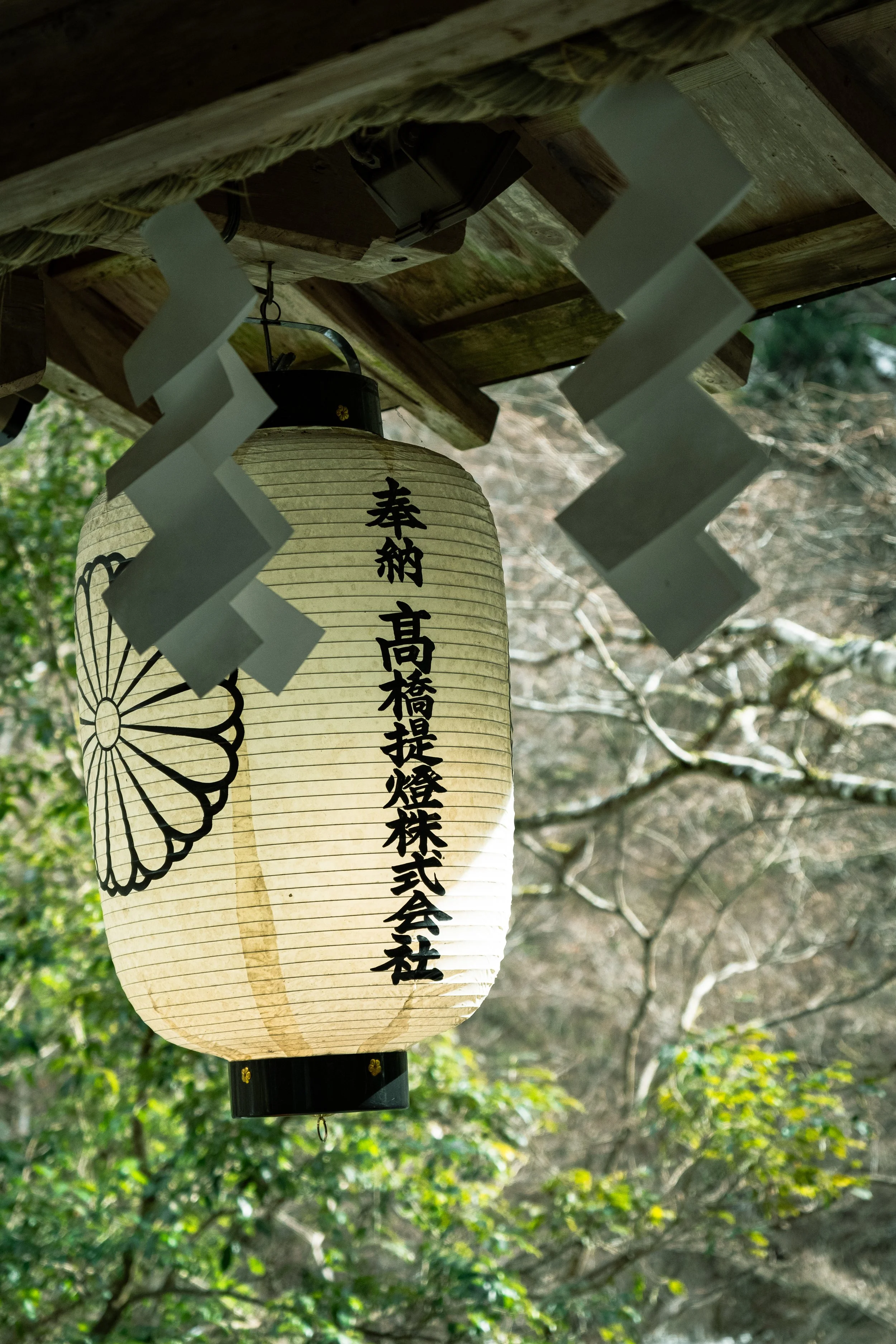
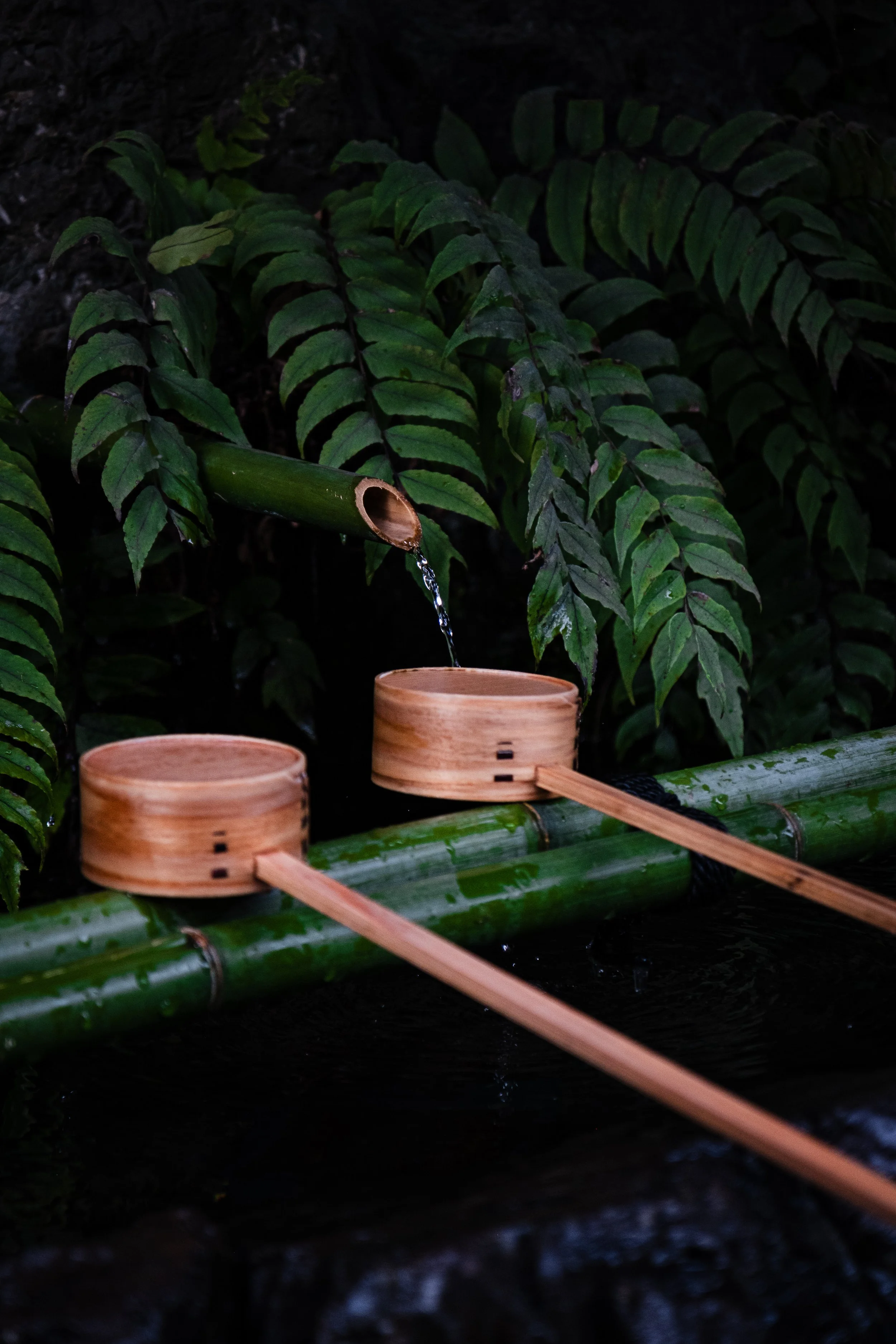
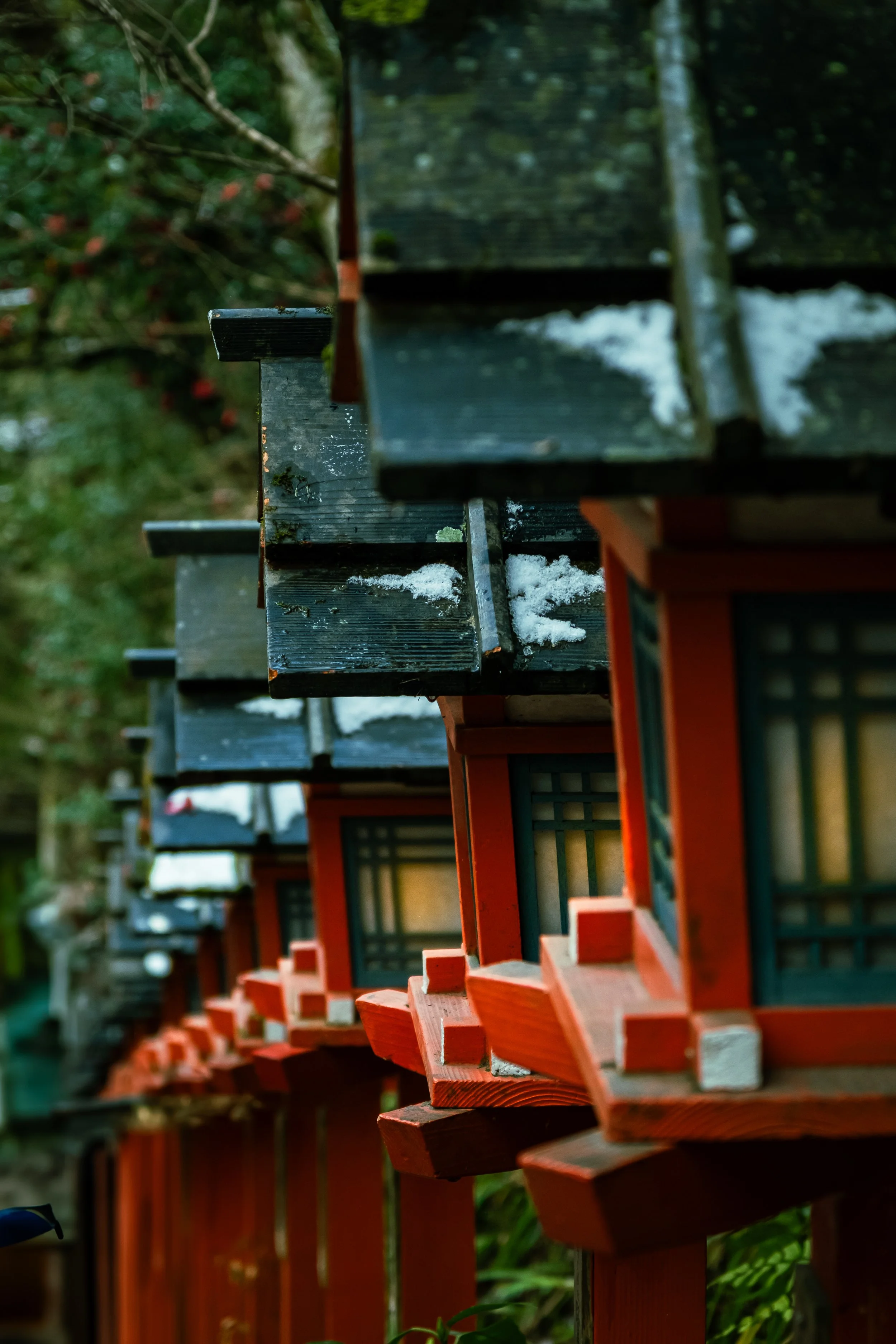
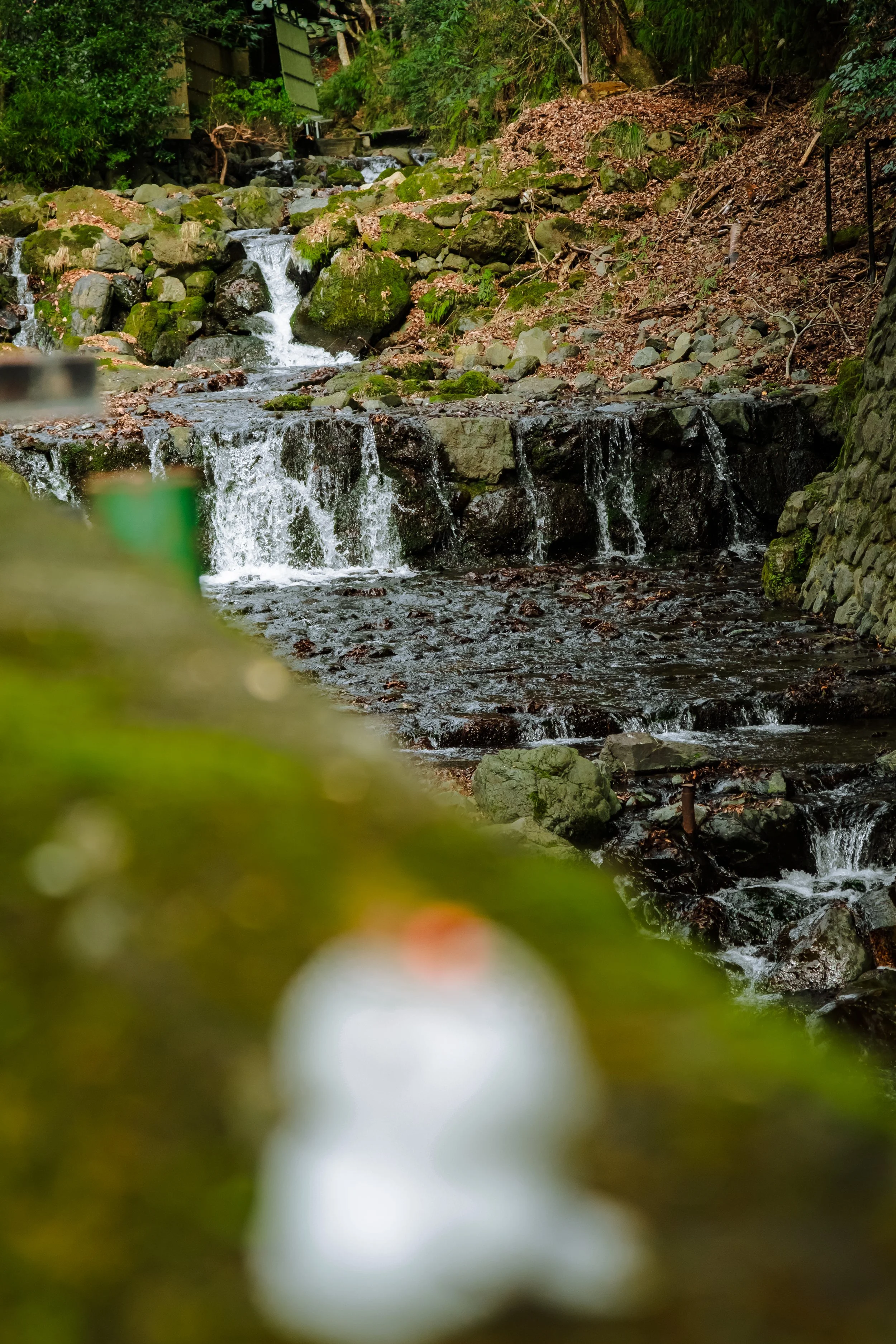
This was one of those “let’s see what happens” decisions, and it turned into one of the best days. Getting there was fairly easy, although I had to take several buses, and it took me about an hour, but it was absolutely worth it. It's one of those places that aren't exactly touristy but still draws many. Mount Kurama is also home to the evocative Kifune Temple, one of my favorites in Kyoto. Surrounded by forests and rivers, feels like stepping into a different world. I visited during a light snowfall, and seeing its red lanterns surrounded by a dusting of snow only made the atmosphere of this place even more magical. If Kyoto gets too crowded, this is the ideal place to go to reset. I also recommend trying the delicious tonkatsu at Kifune Kyoshiyo at the foot of Kifune Shrine.
ARASHIYAMA
Many know this area for its renowned bamboo forest.
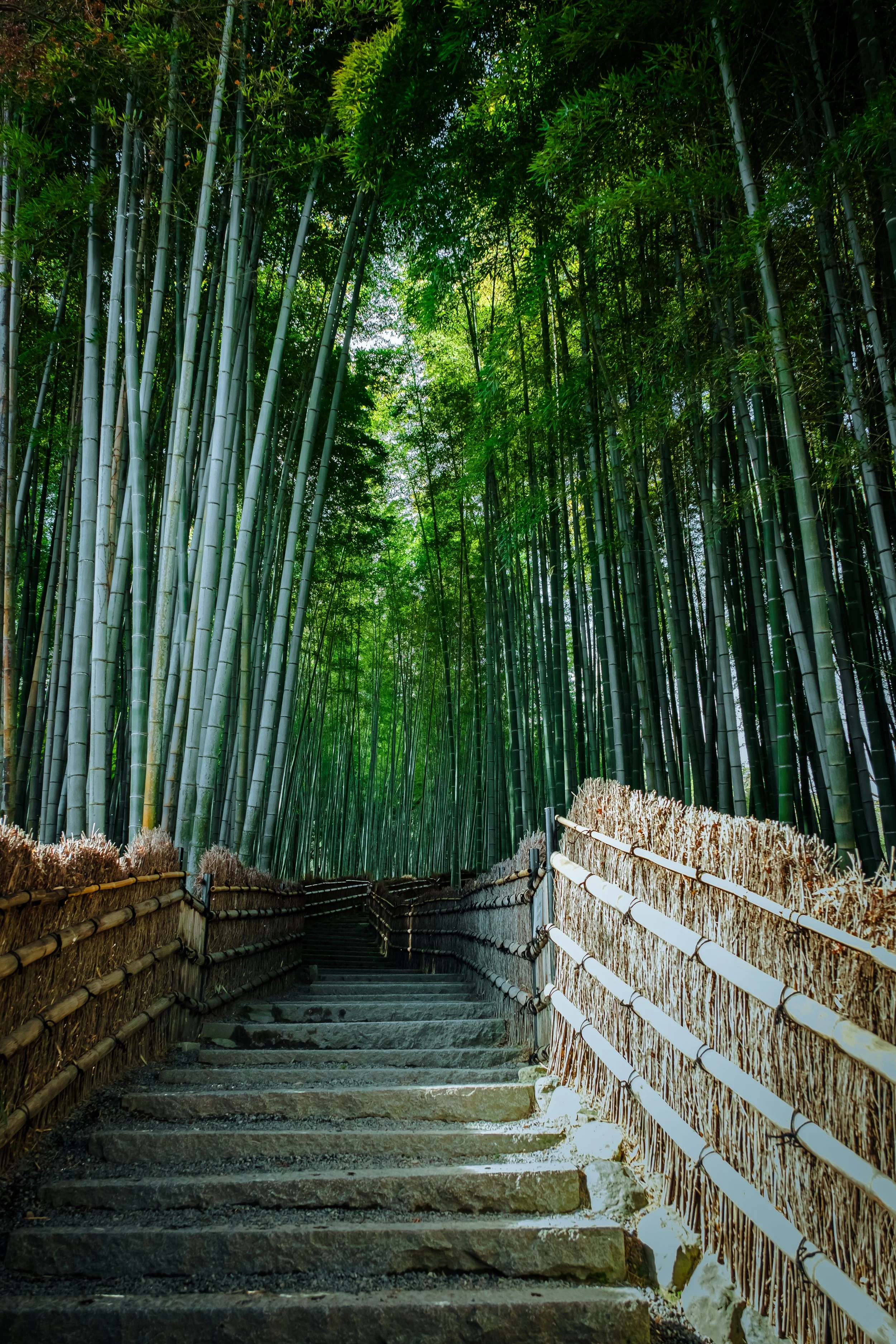
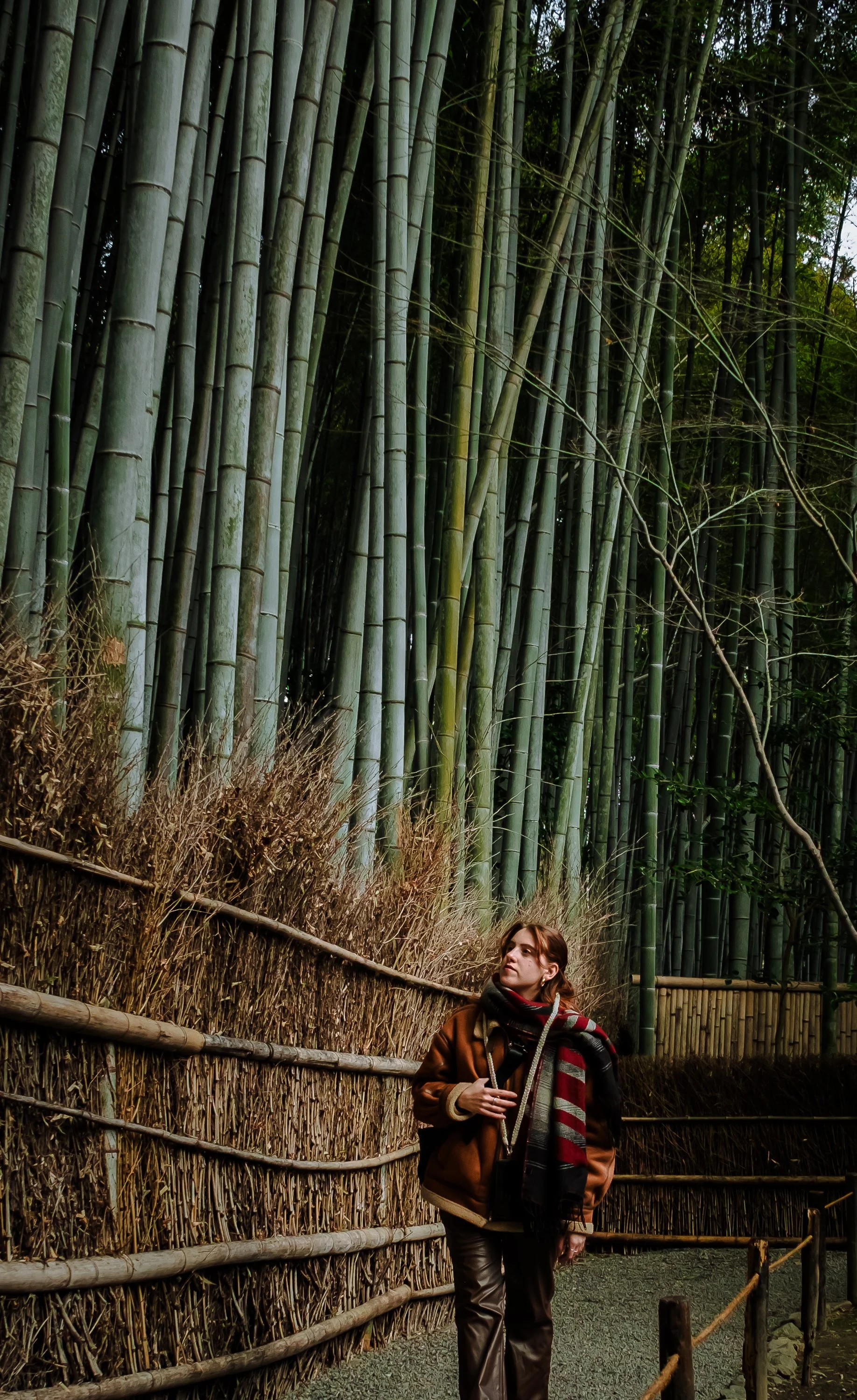
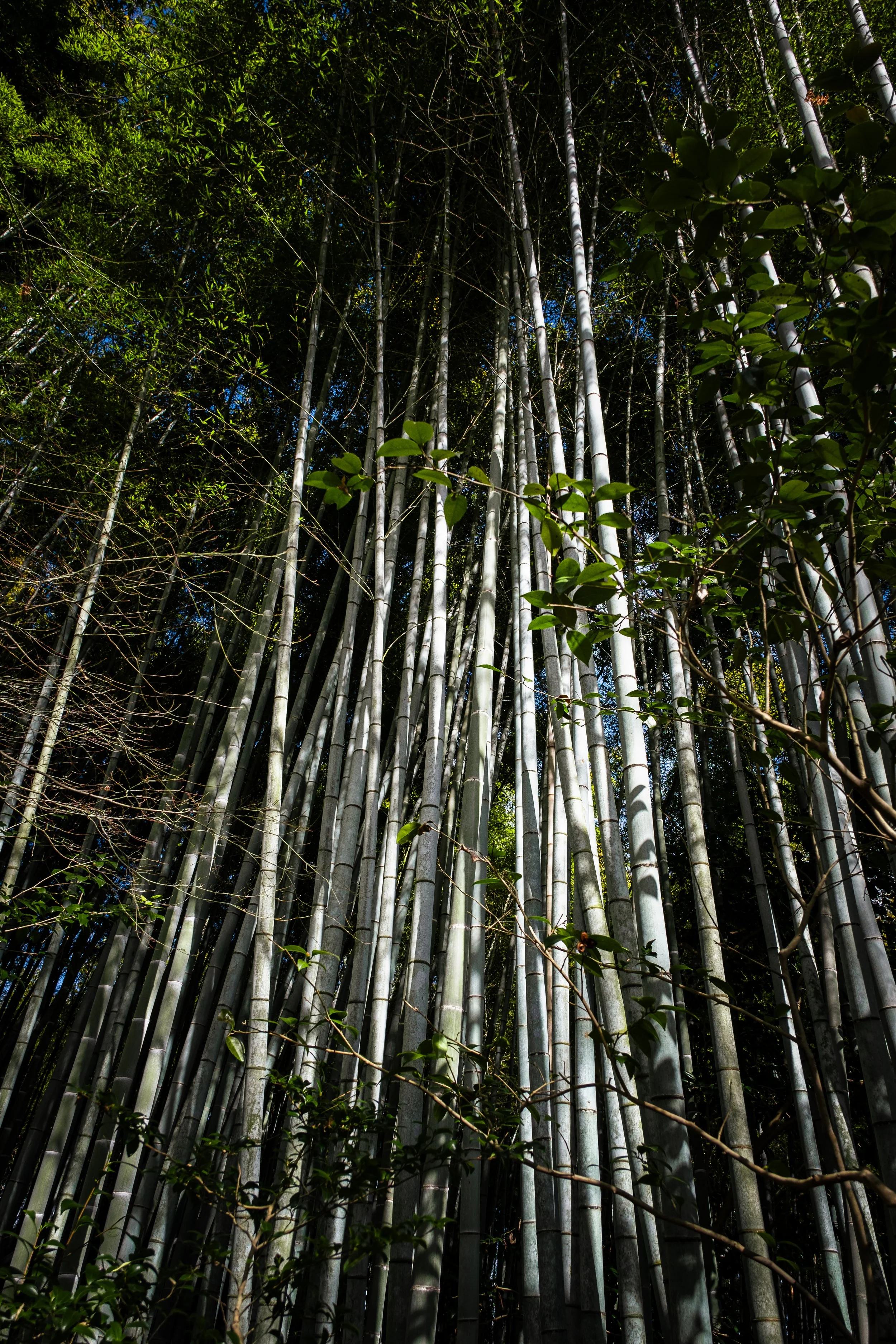
Yes, it’s famous. Yes, it gets crowded. It's actually nothing more than a few-meter staircase surrounded by bamboo and often overrun by tourists. I was very lucky to have had the chance to visit it when there was almost no one around, and no, I didn't have to wake up at dawn to enjoy it, actually lives up to the hype, but I guess it's a matter of luck.
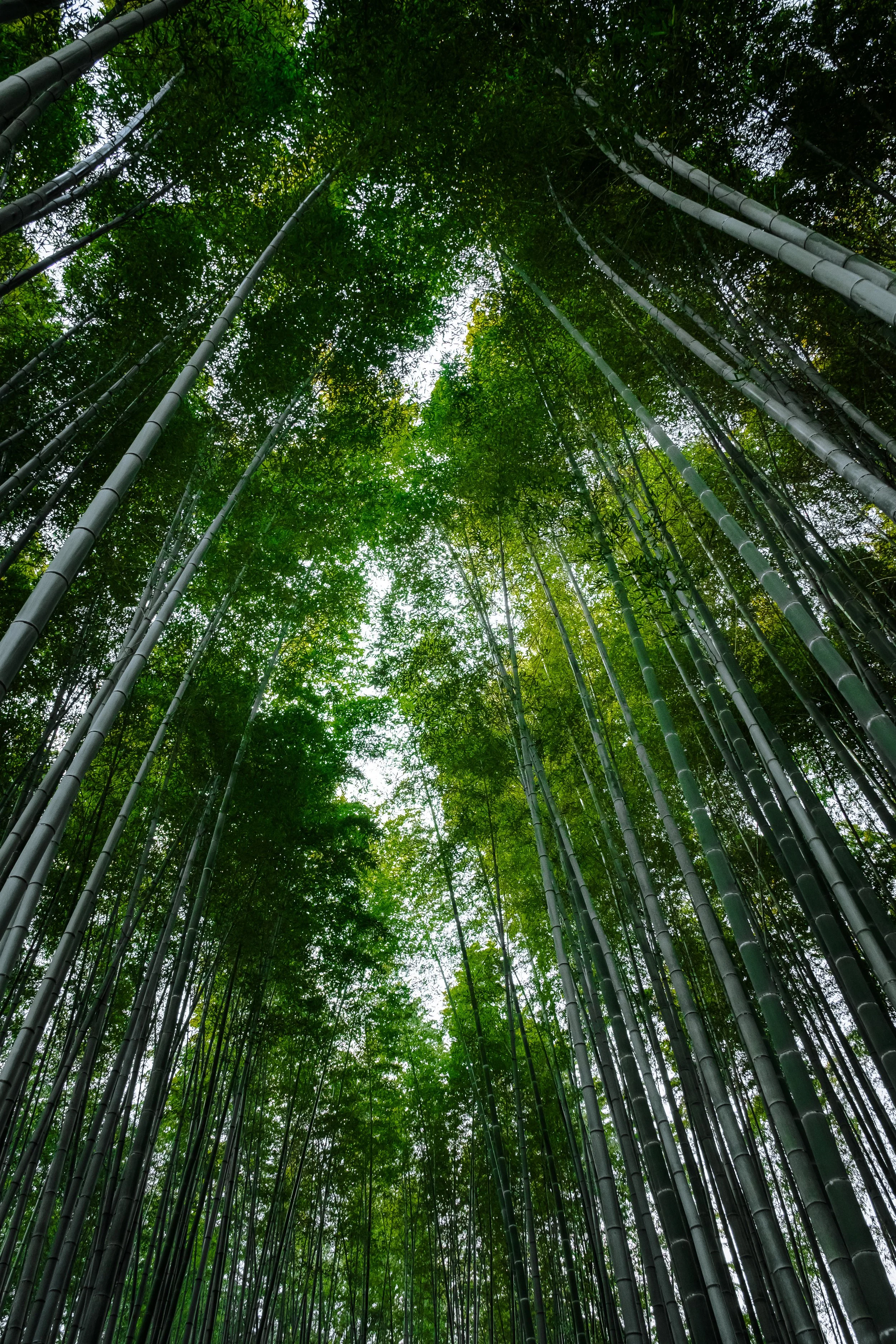
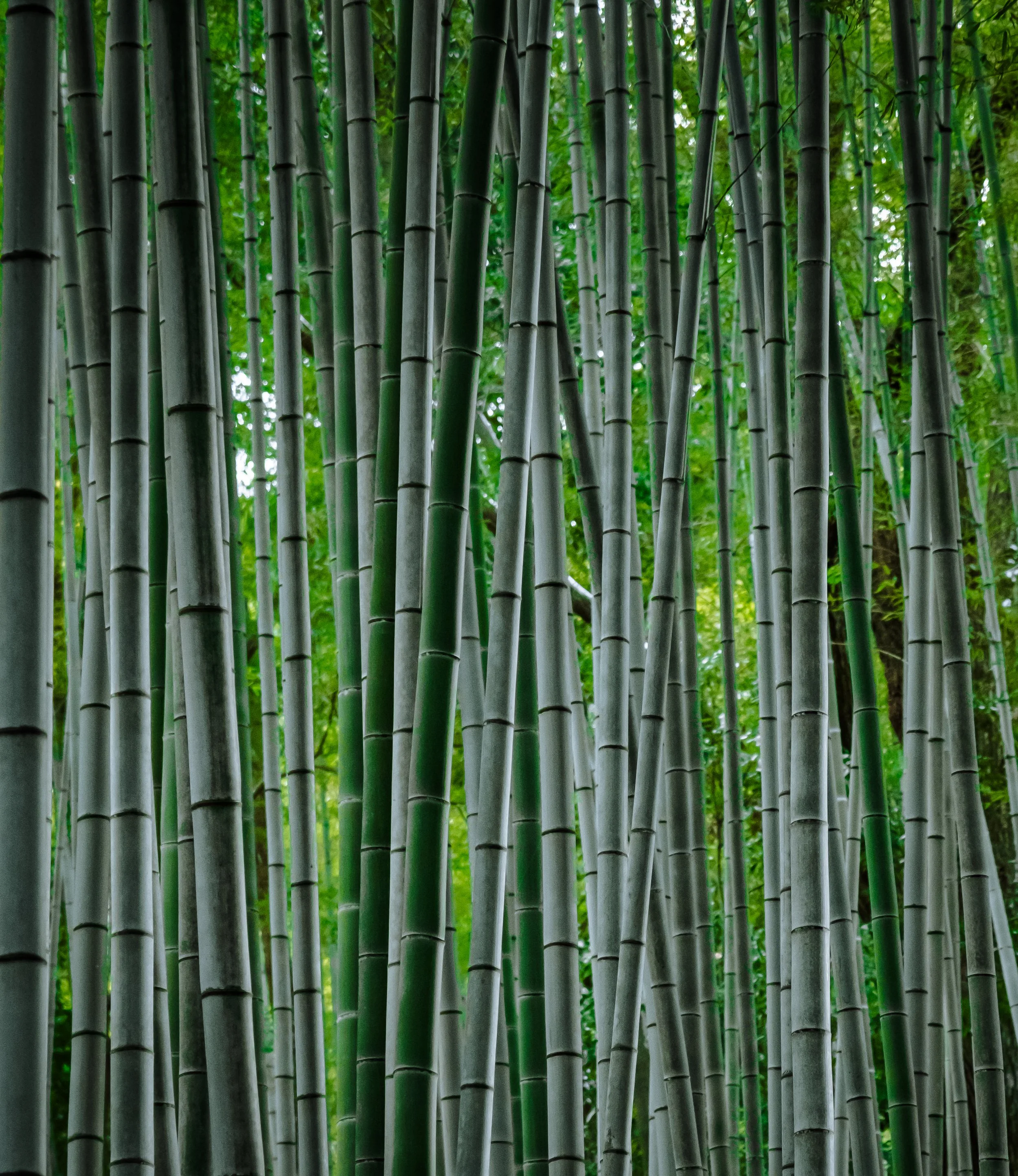
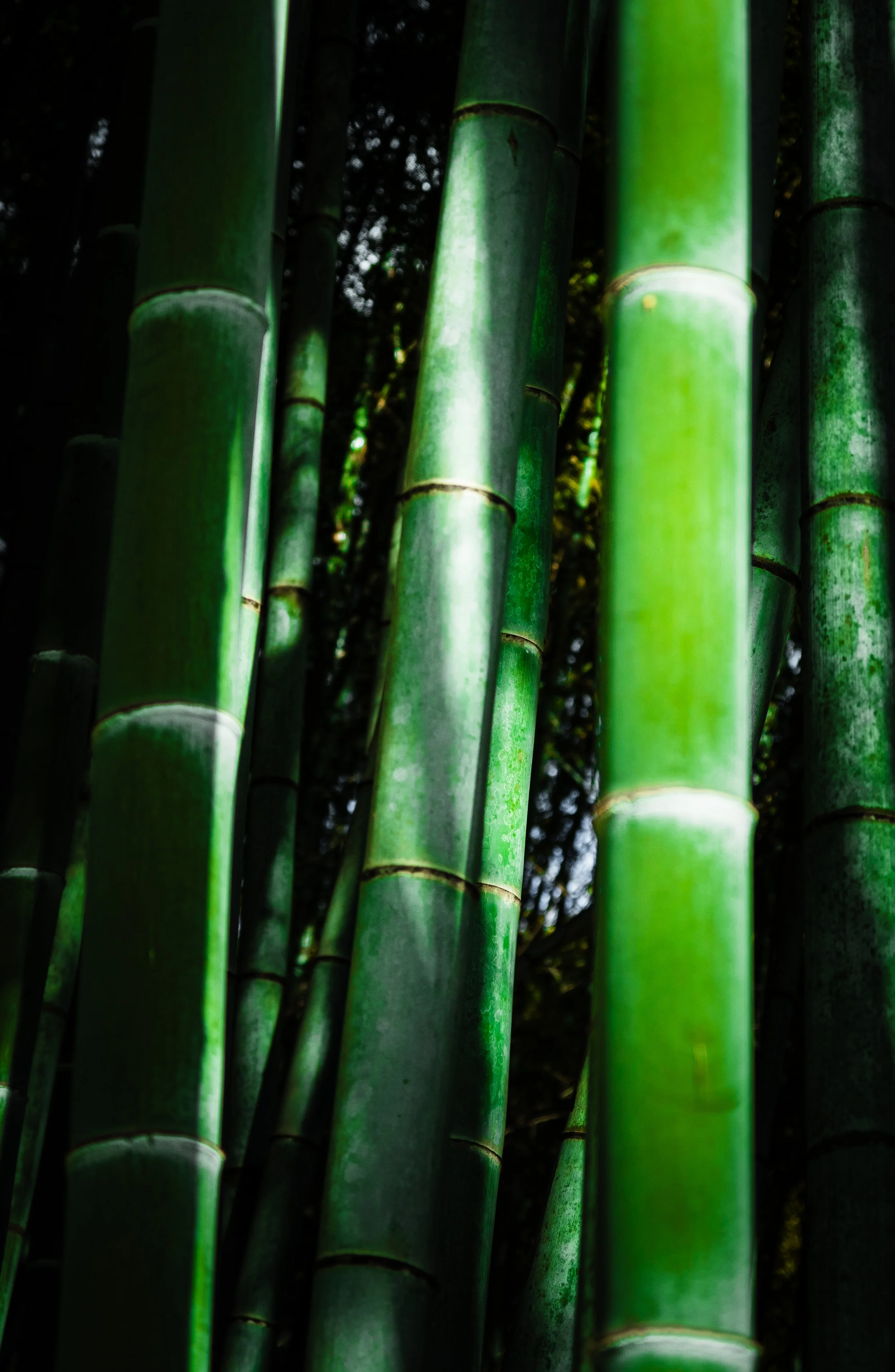
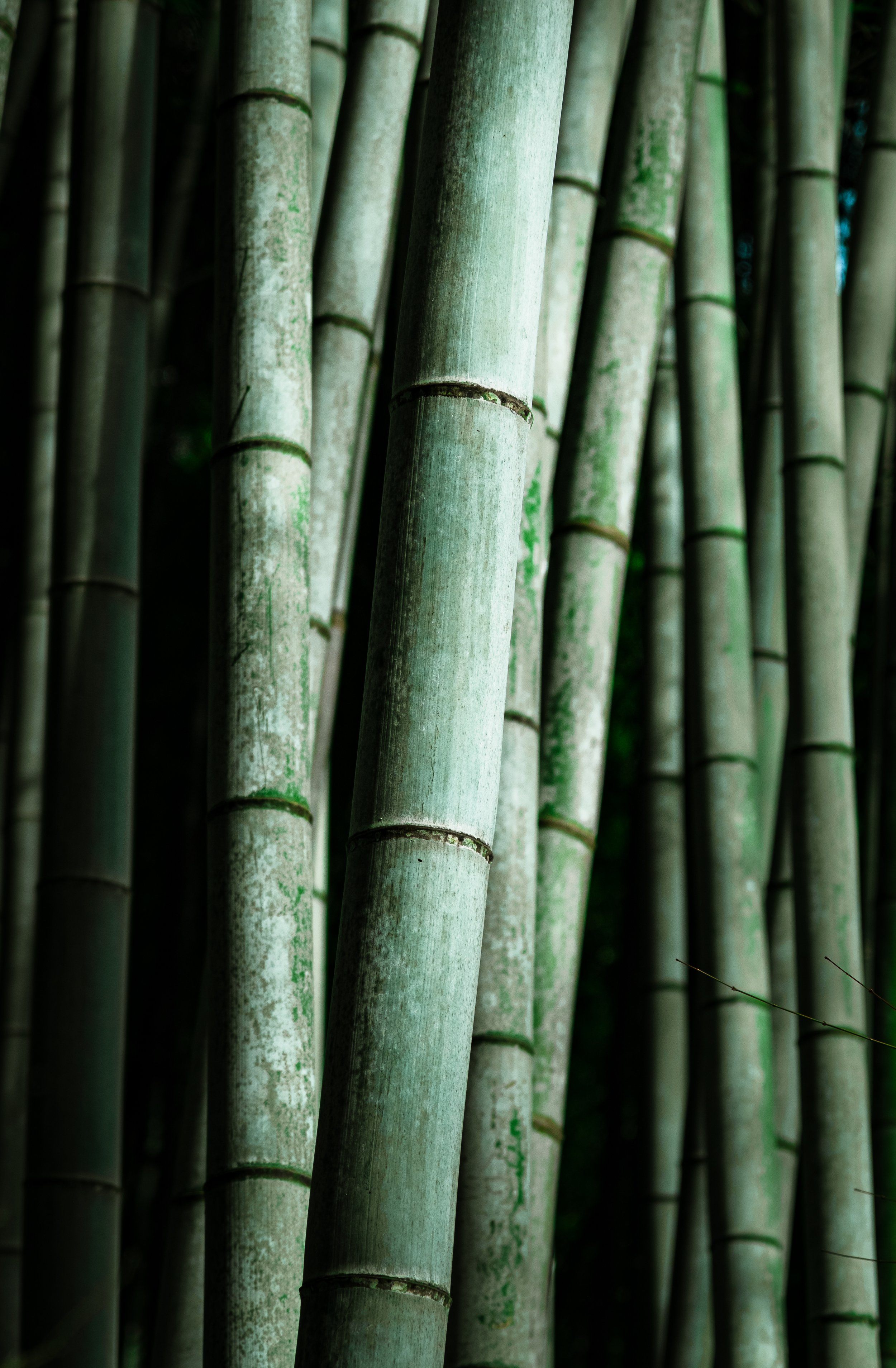
What if I told you it's possible to take a walk through a bamboo forest that's still relatively unknown?! Don't expect a whole forest, but rather a quiet grove surrounded by thick bamboo trees. Head to Chikurin Bamboo Village. Once you step away from the main path, Arashiyama becomes quieter, softer. Small temples, riverside walks, and hidden corners where you can just sit and breathe. That’s where Kyoto really starts to reveal itself.
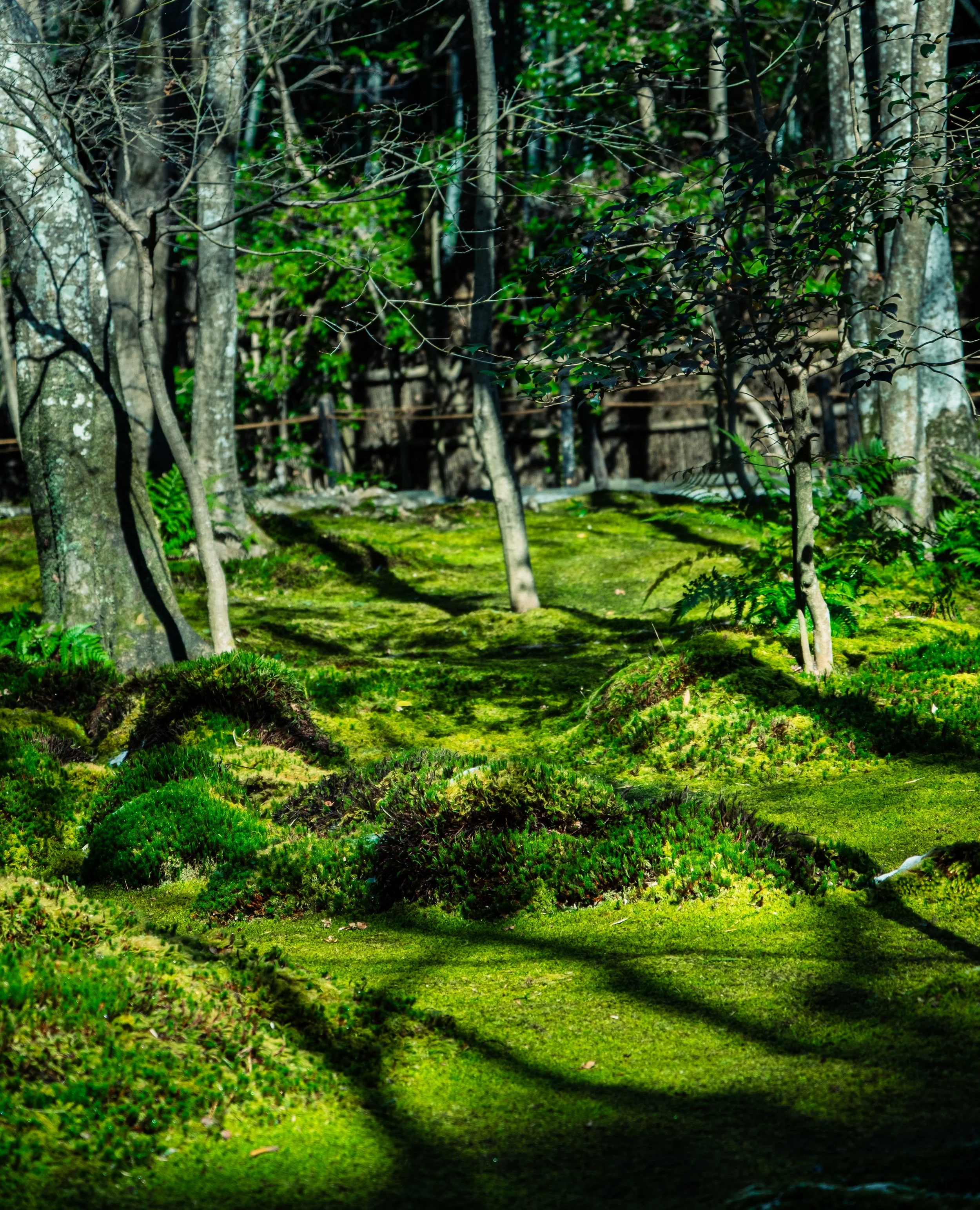
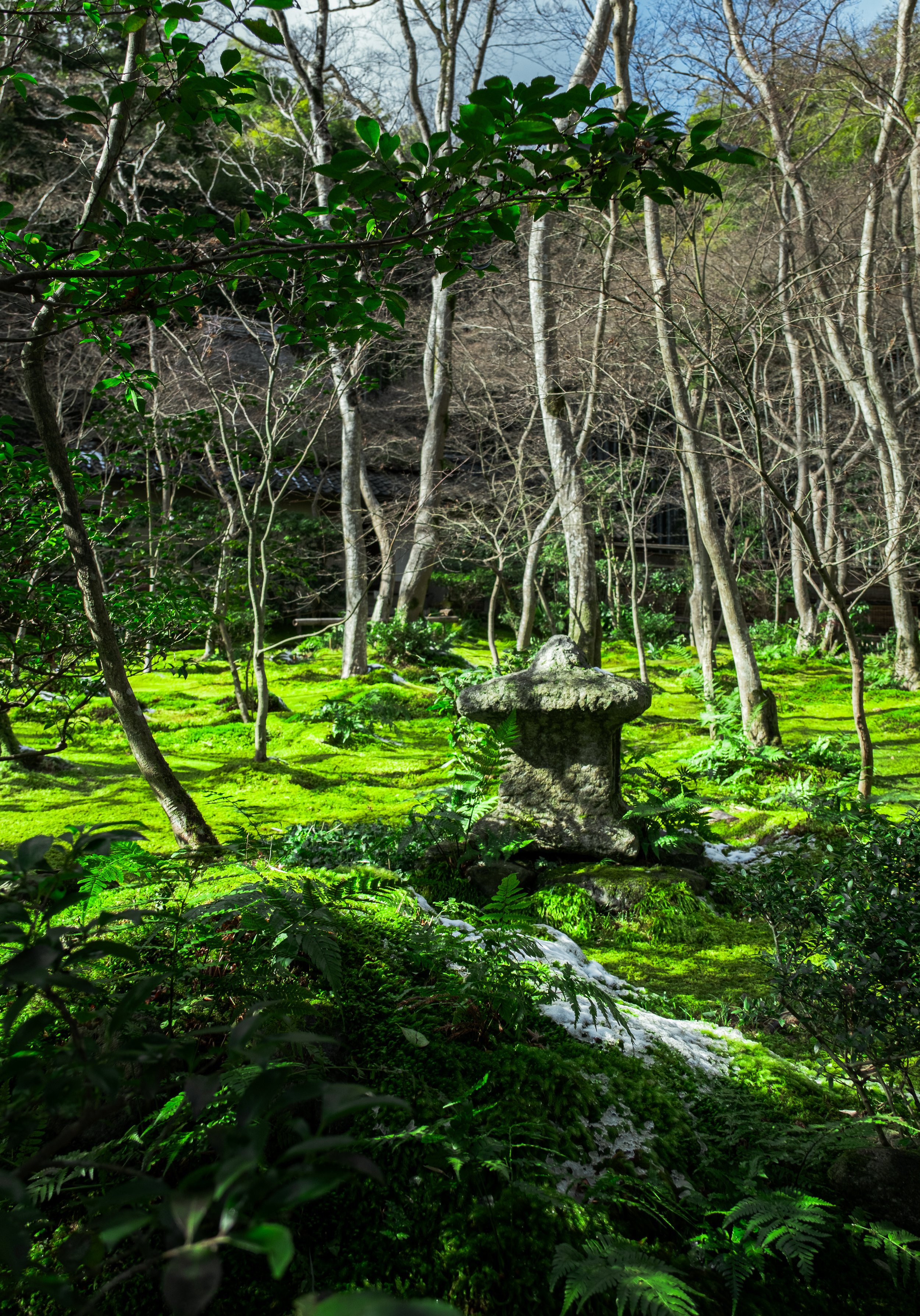
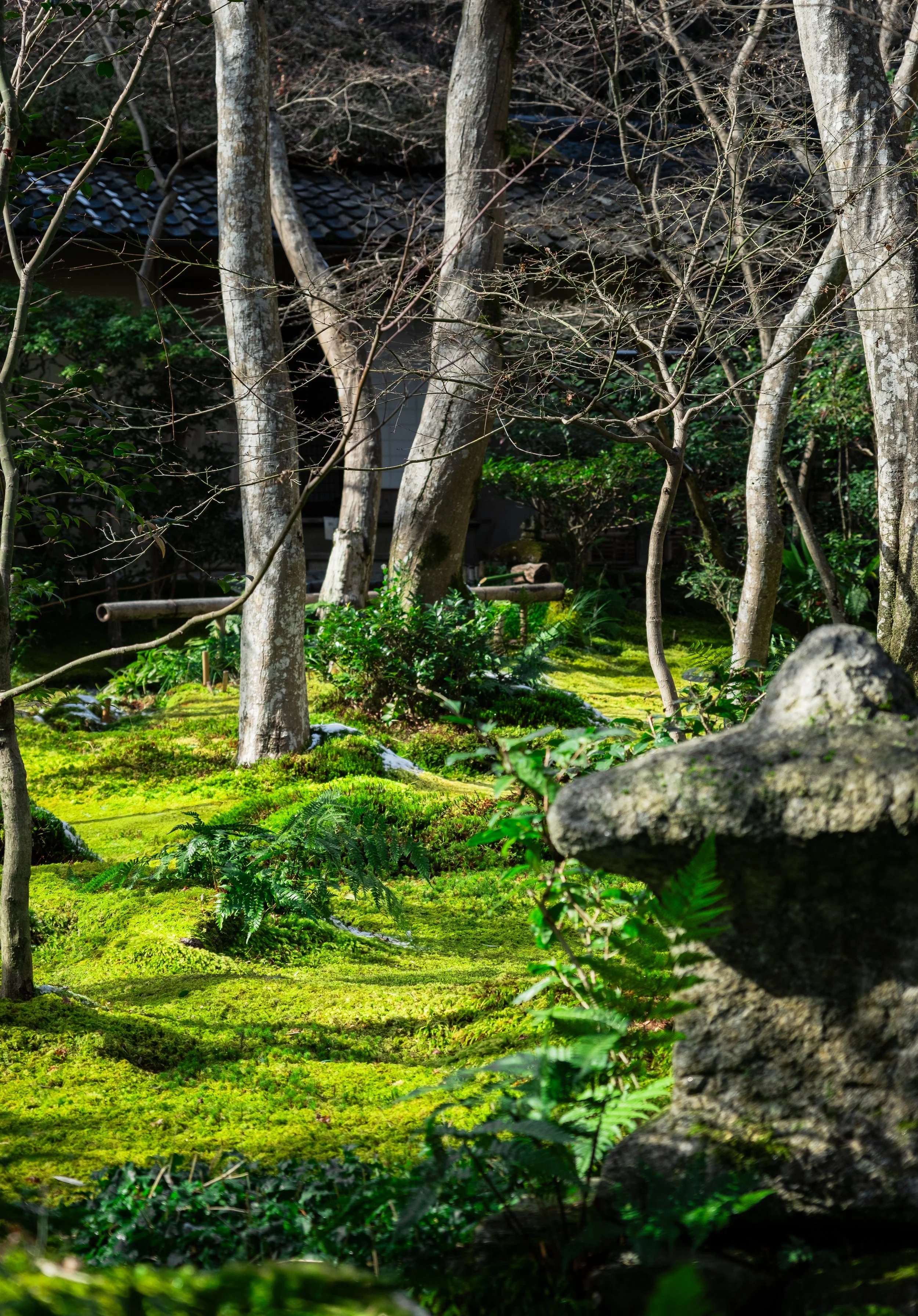
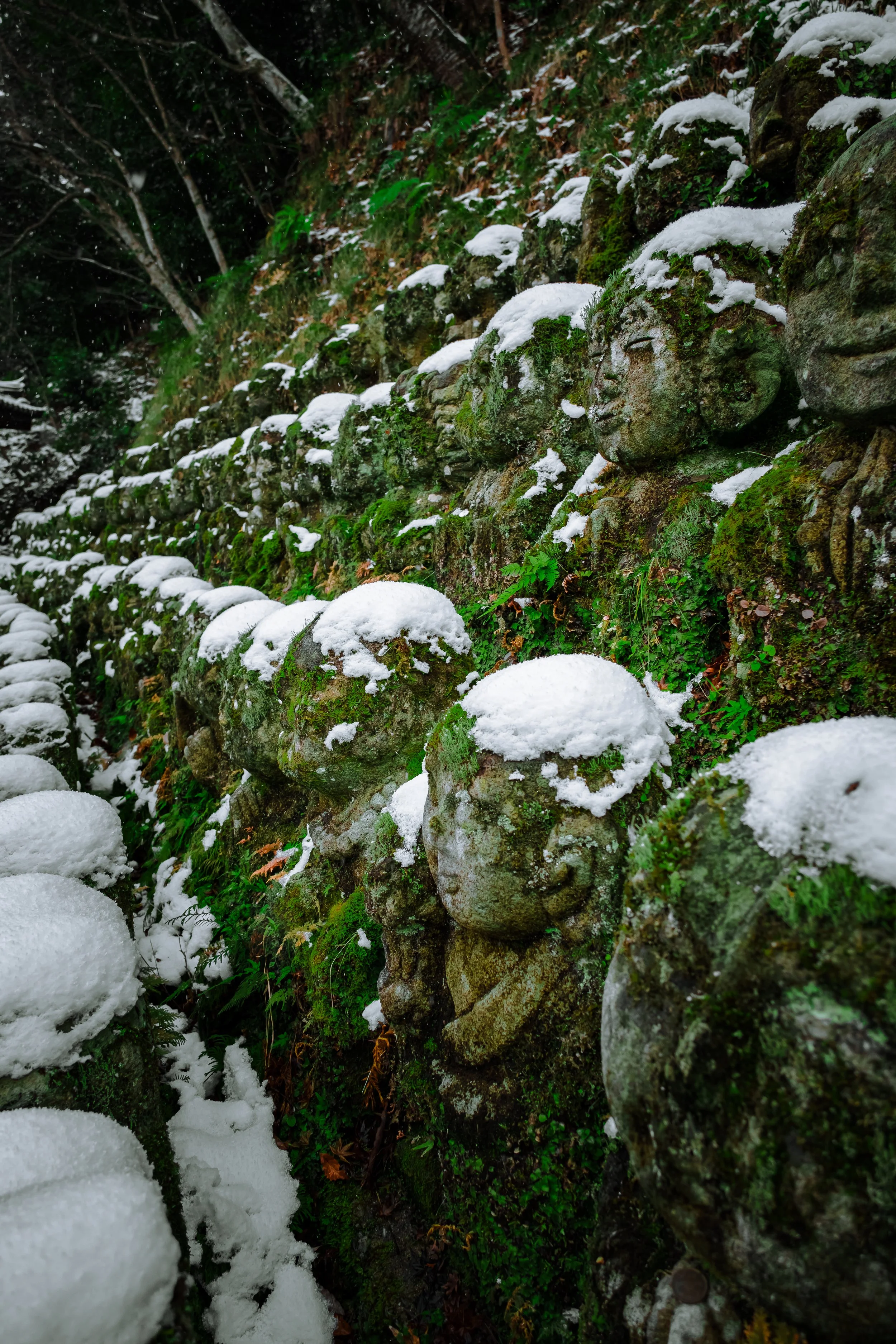
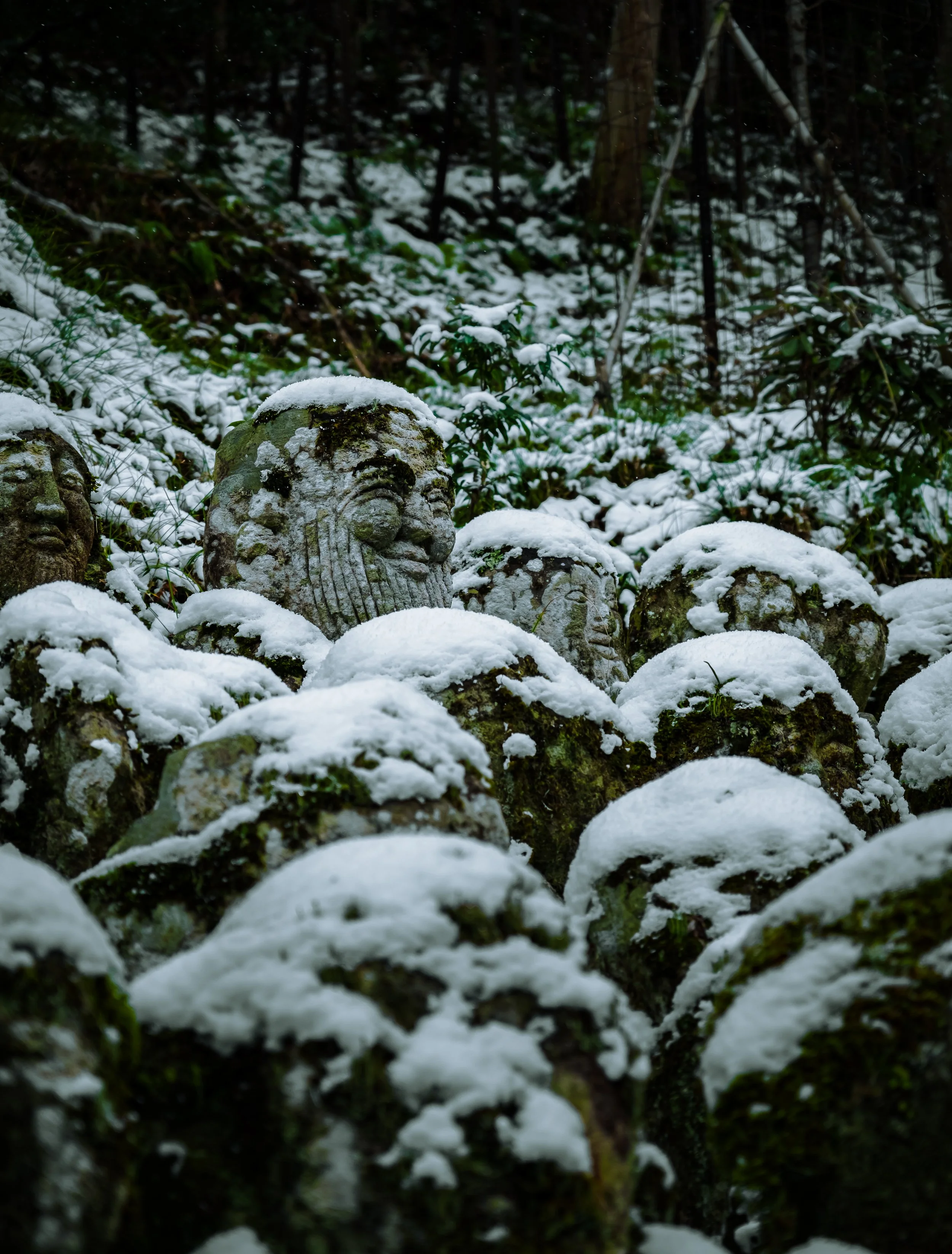
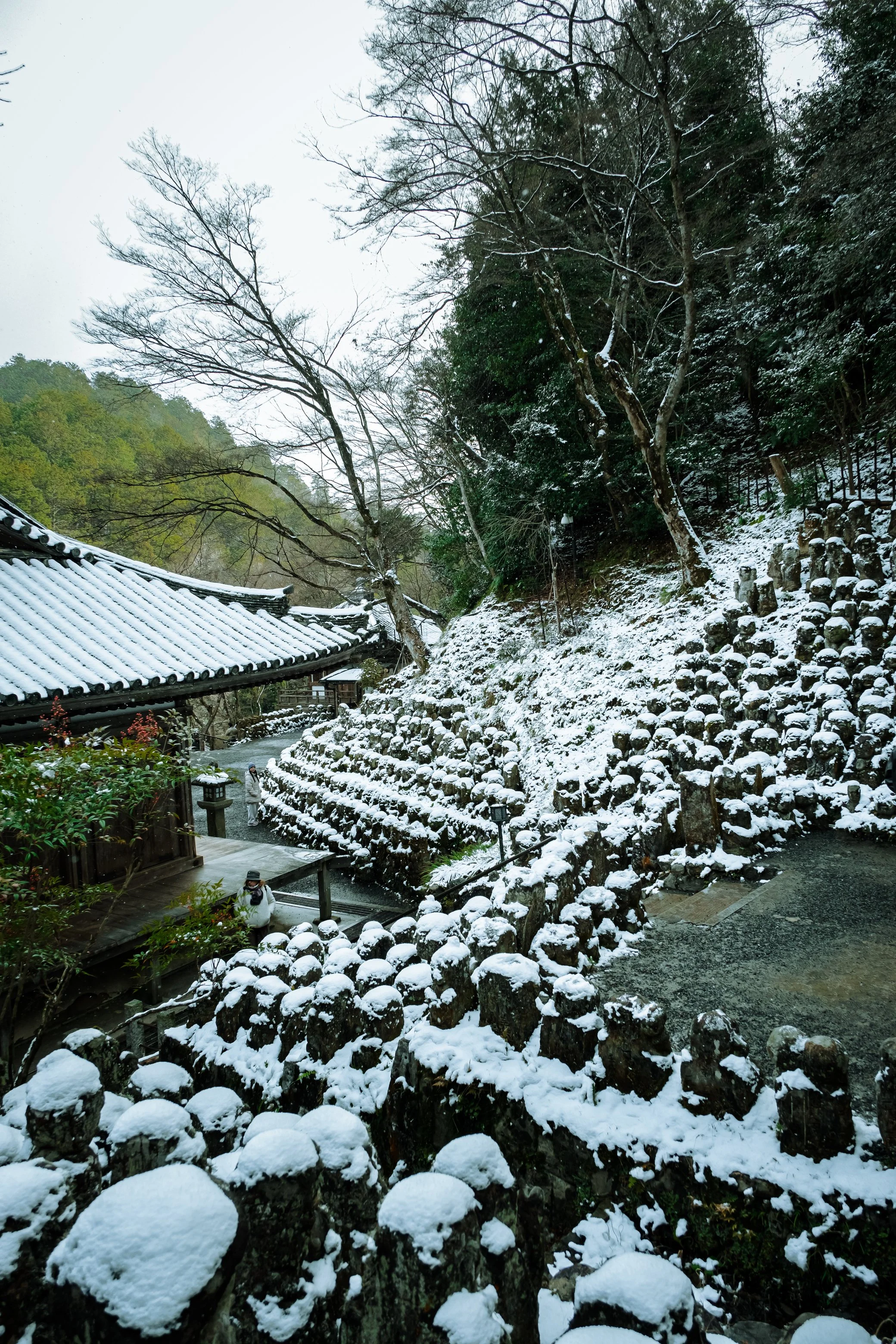
Like Gio-ji Temple, also known as the Moss Temple, because it's surrounded by a soft layer of green moss that gives it a fairytale feel; or Otagi Nenbutsu-Ji Temple, perhaps one of my favorites in Kyoto, famous for its hundreds of statues dotted around every corner, each with a different expression carved into their faces. The atmosphere is zen and tranquil, with very few visitors. Both temples are easily accessible on foot and are a great way to visit and immerse yourself in a lesser-known Kyoto, yet one rich in beauty waiting to be discovered.
KYOTO IMPERIAL PALACE
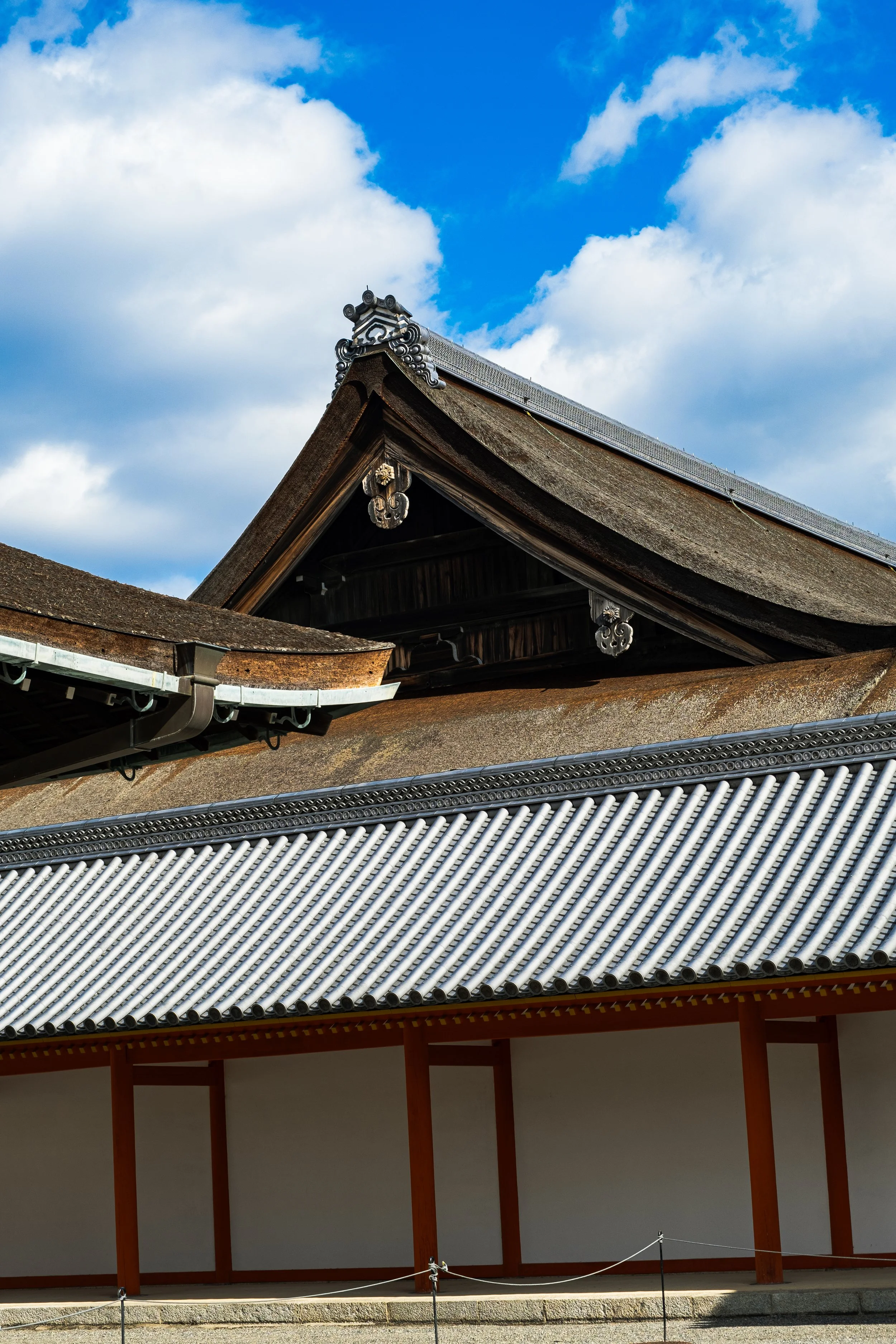
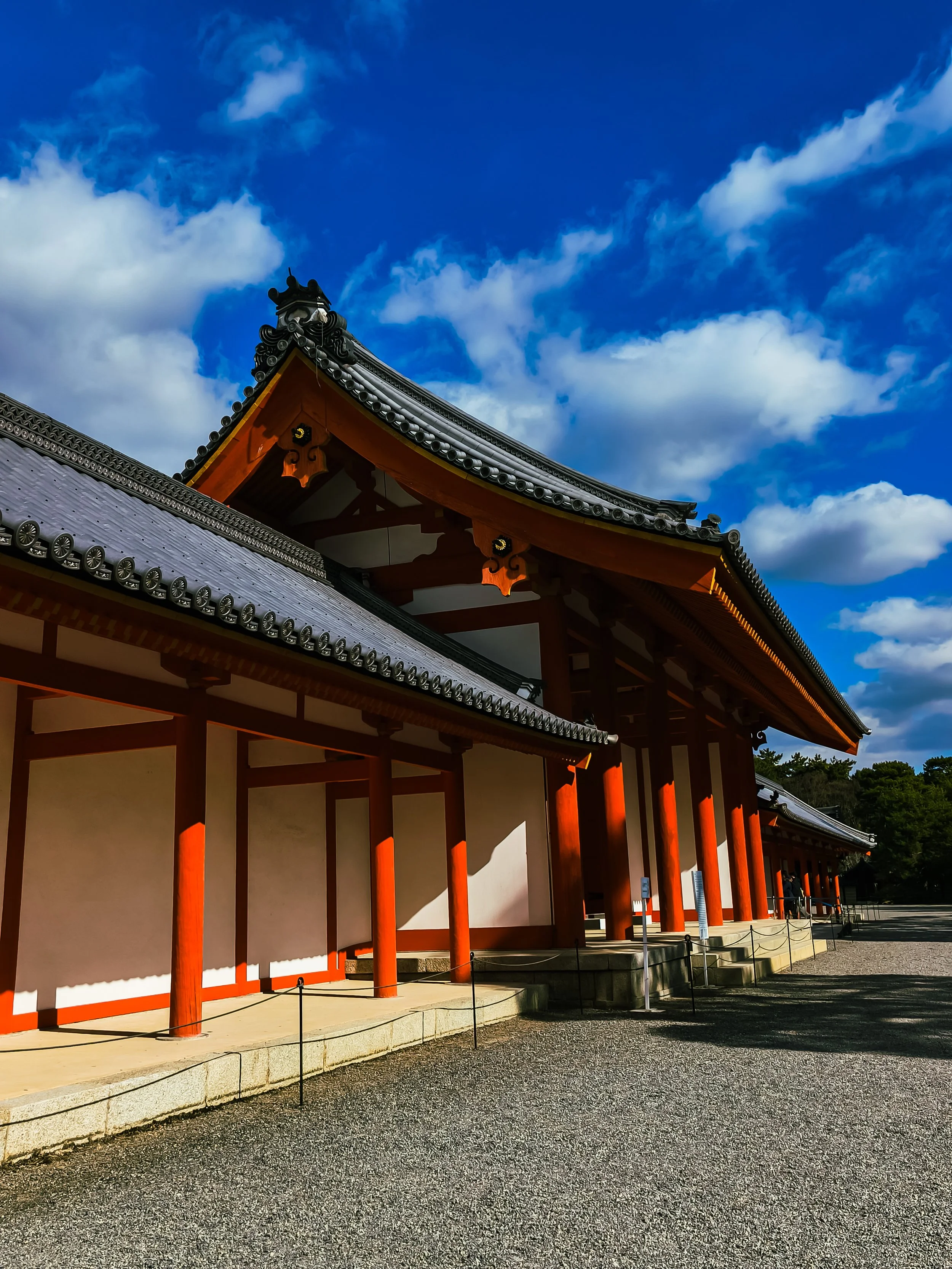
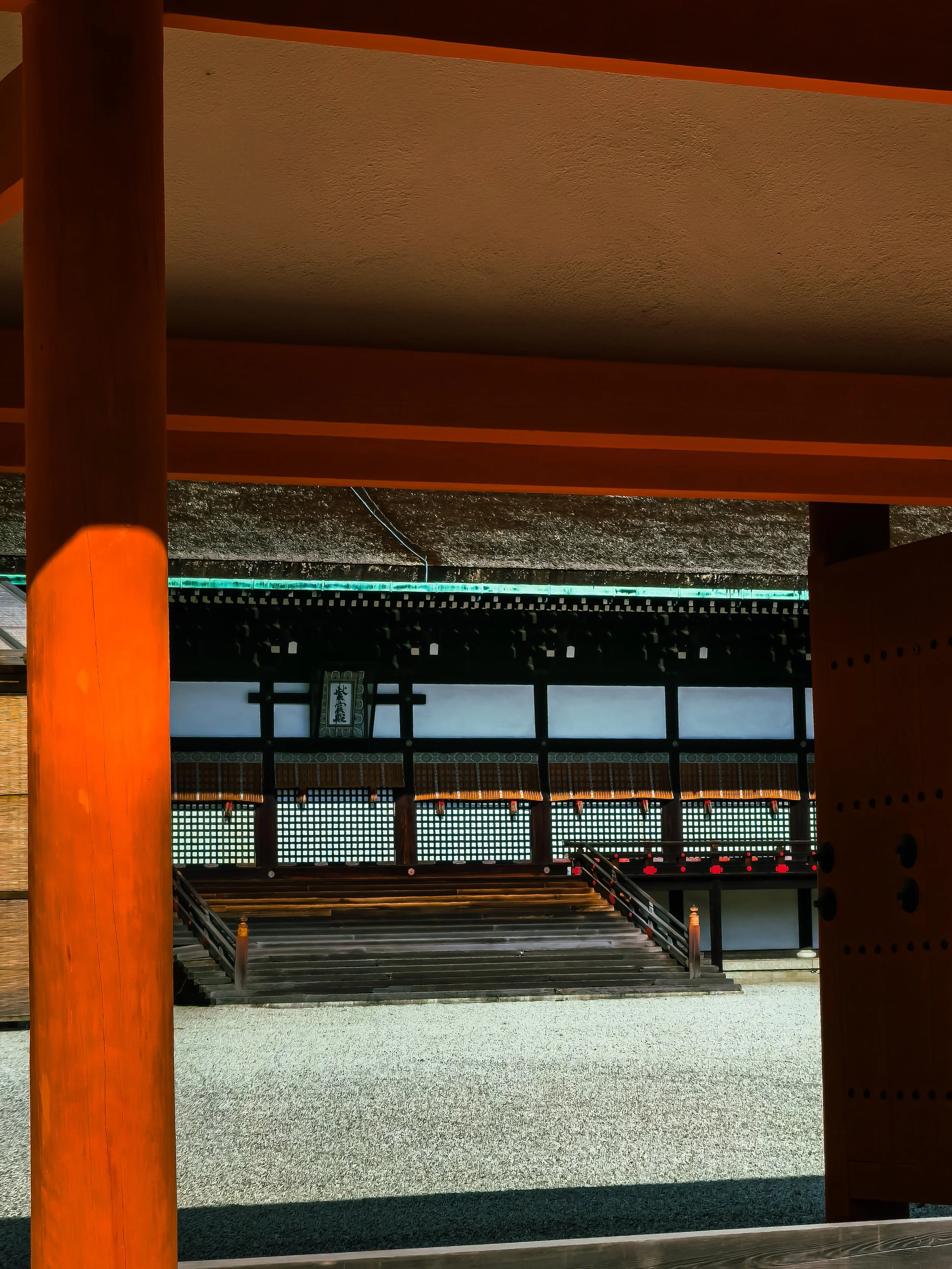
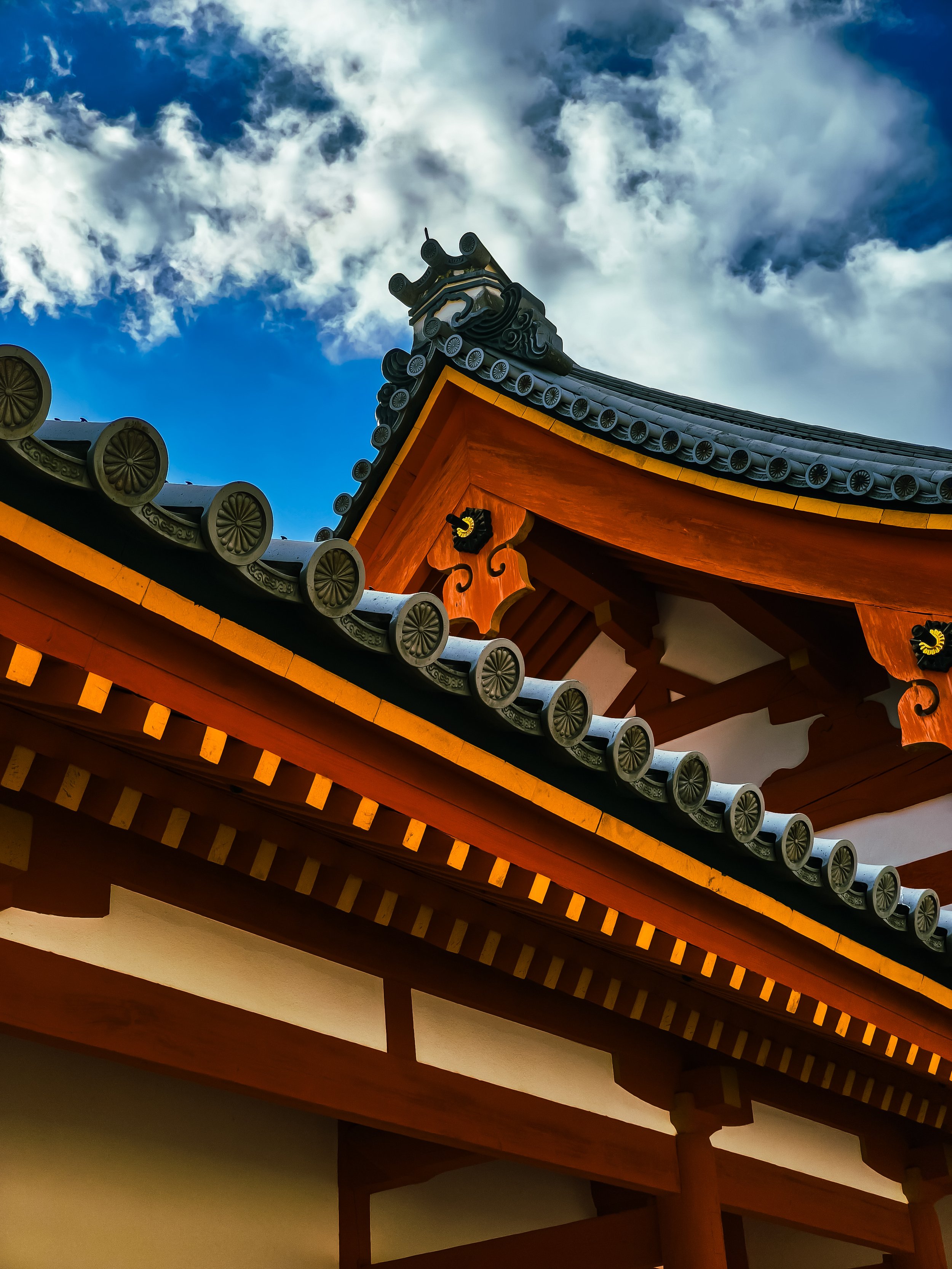
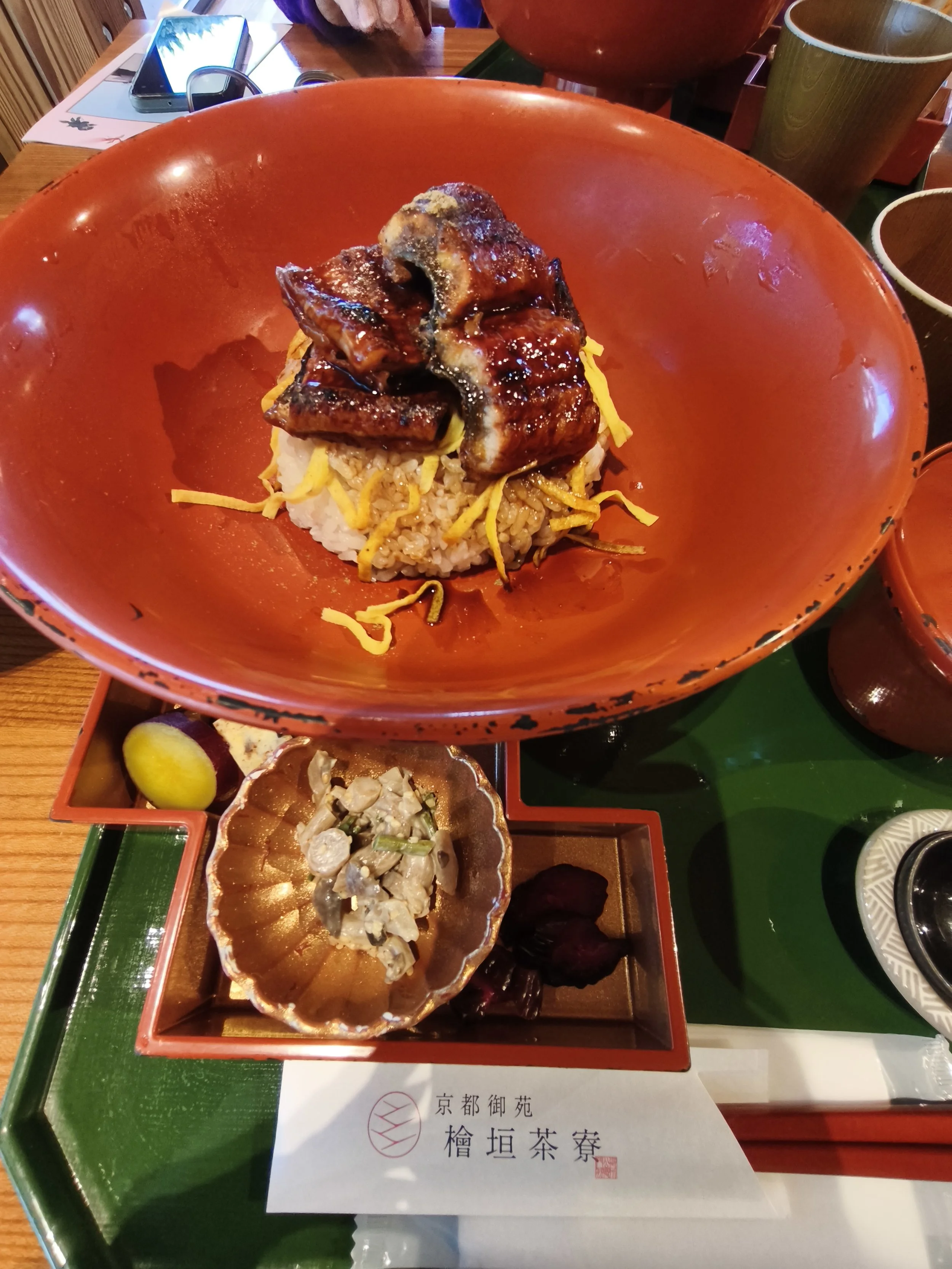
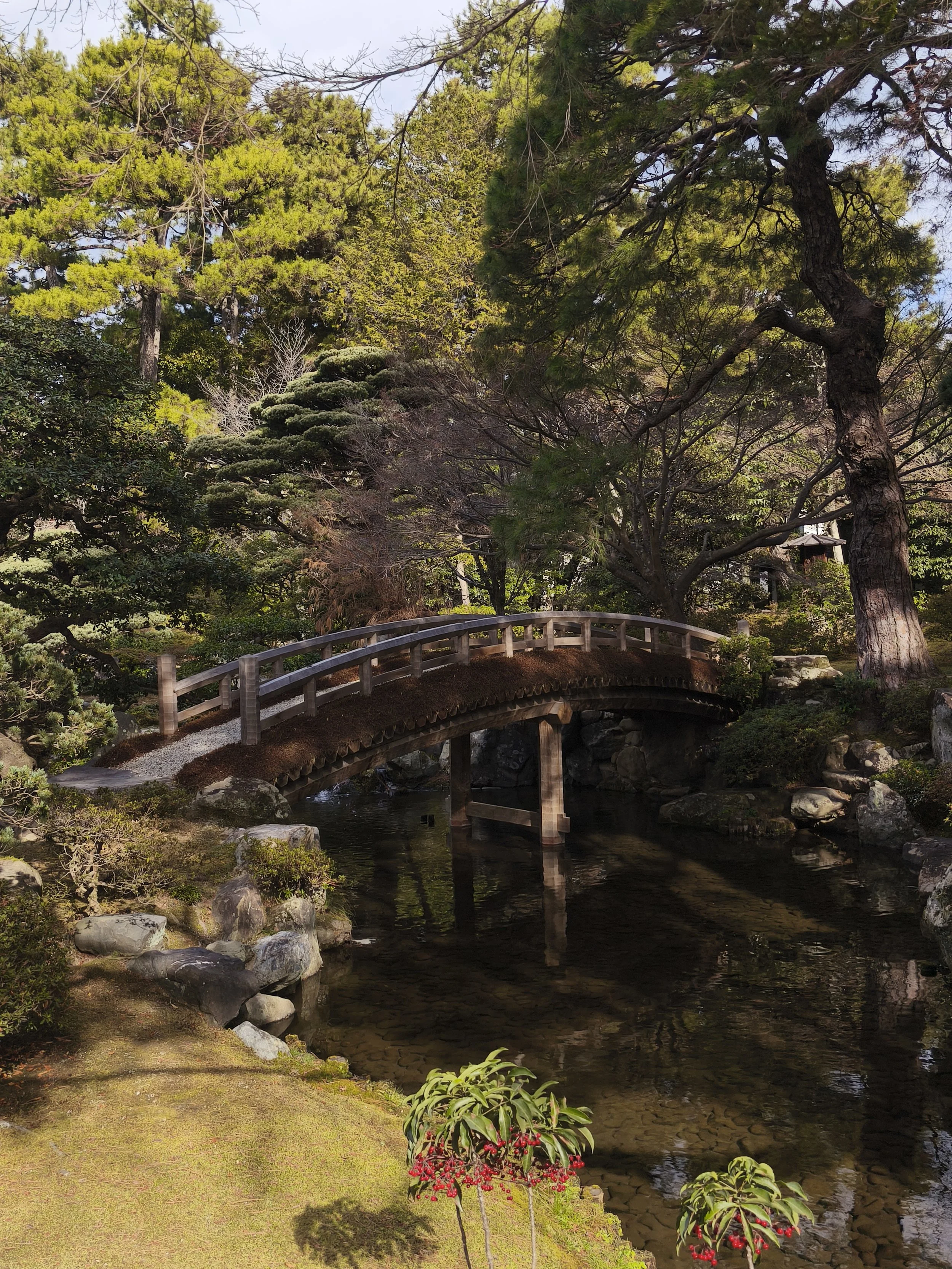
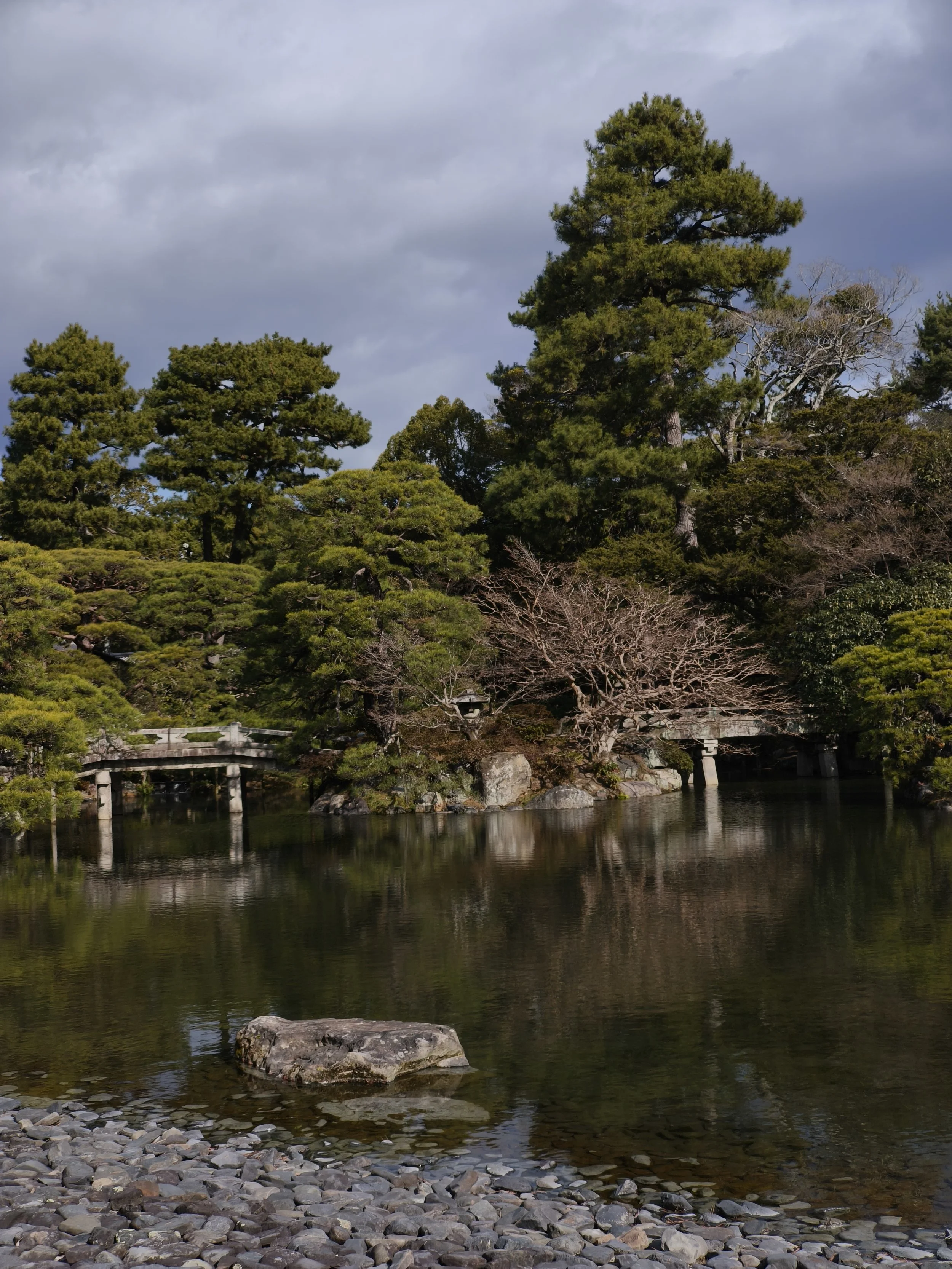
And to think I almost missed this historic landmark, even though my hotel was only a 10-minute walk away, I'm glad I didn't miss it. The Imperial Palace is located in the center of Kyoto within a huge park. Visiting the Imperial Palace is free, and inside you'll also find one of the most beautiful Japanese-style gardens. Wide gravel paths, open gardens, and a kind of silence that feels intentional. It’s one of the few places in Kyoto where you’re not constantly navigating through crowds or narrow streets. It's not flashy, but that's precisely the point. And while we're on topic, why not try one of the dishes served in the restaurant at the foot of the Imperial Palace to round off your visit?
OIMACHIMAN
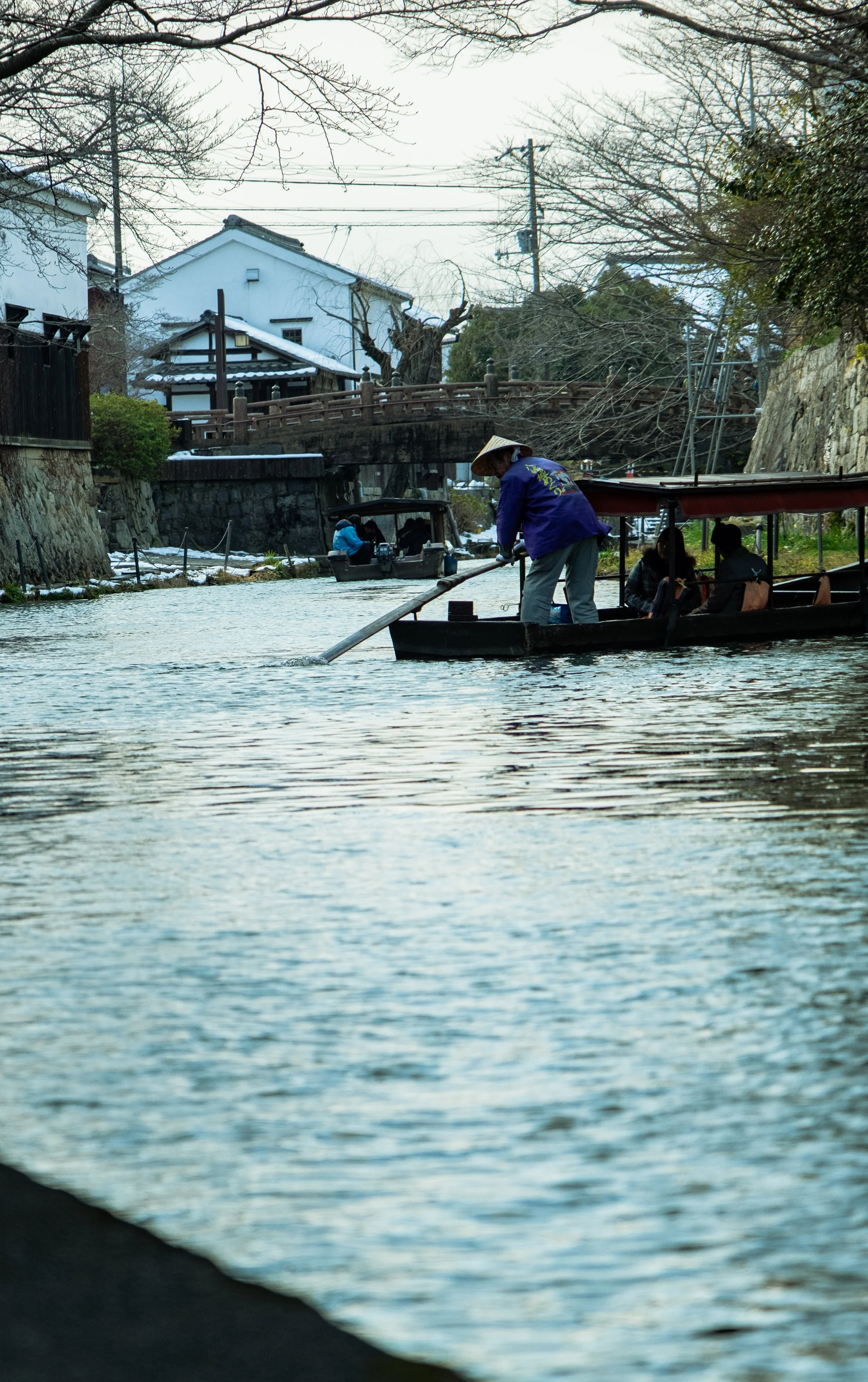
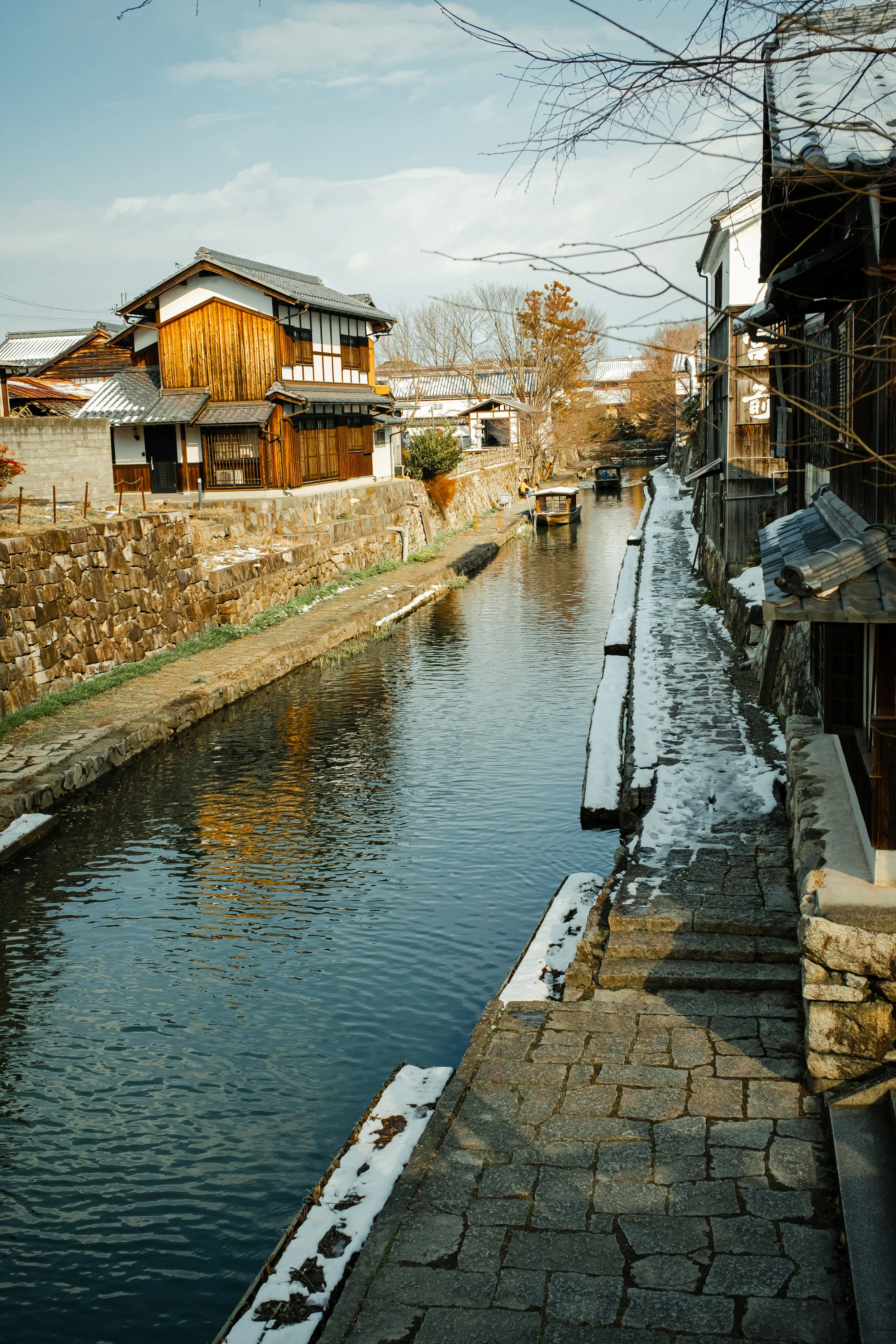
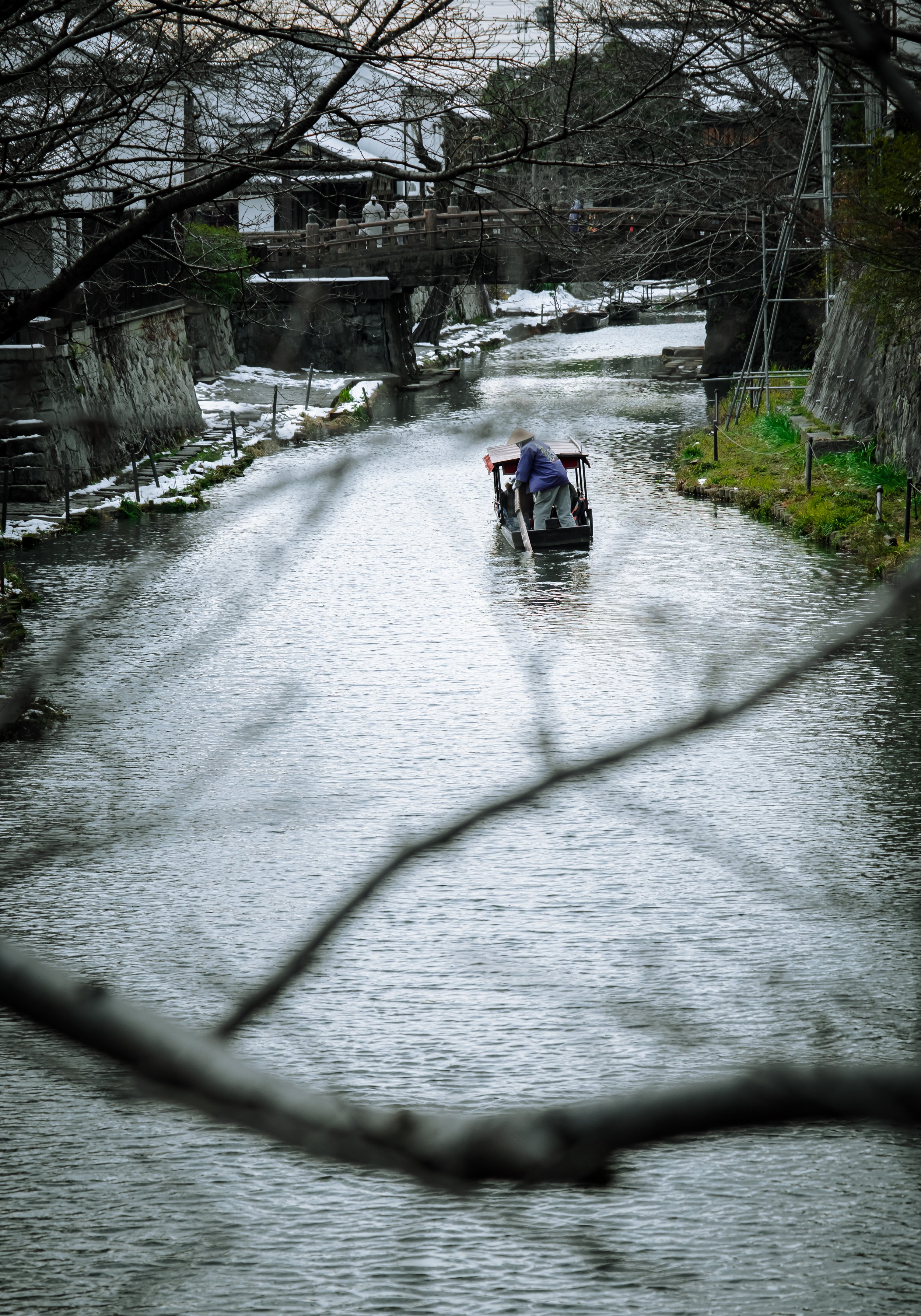
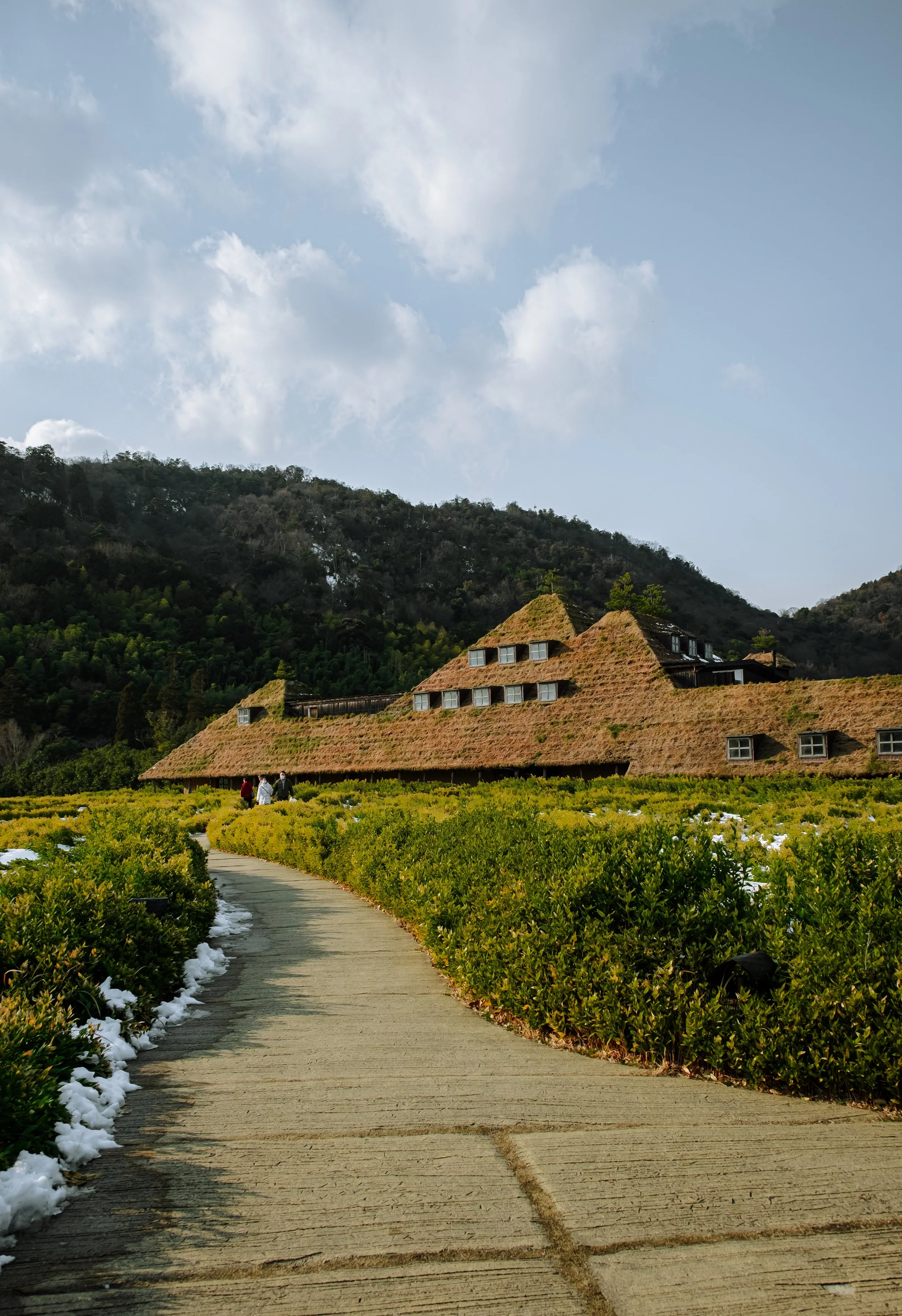
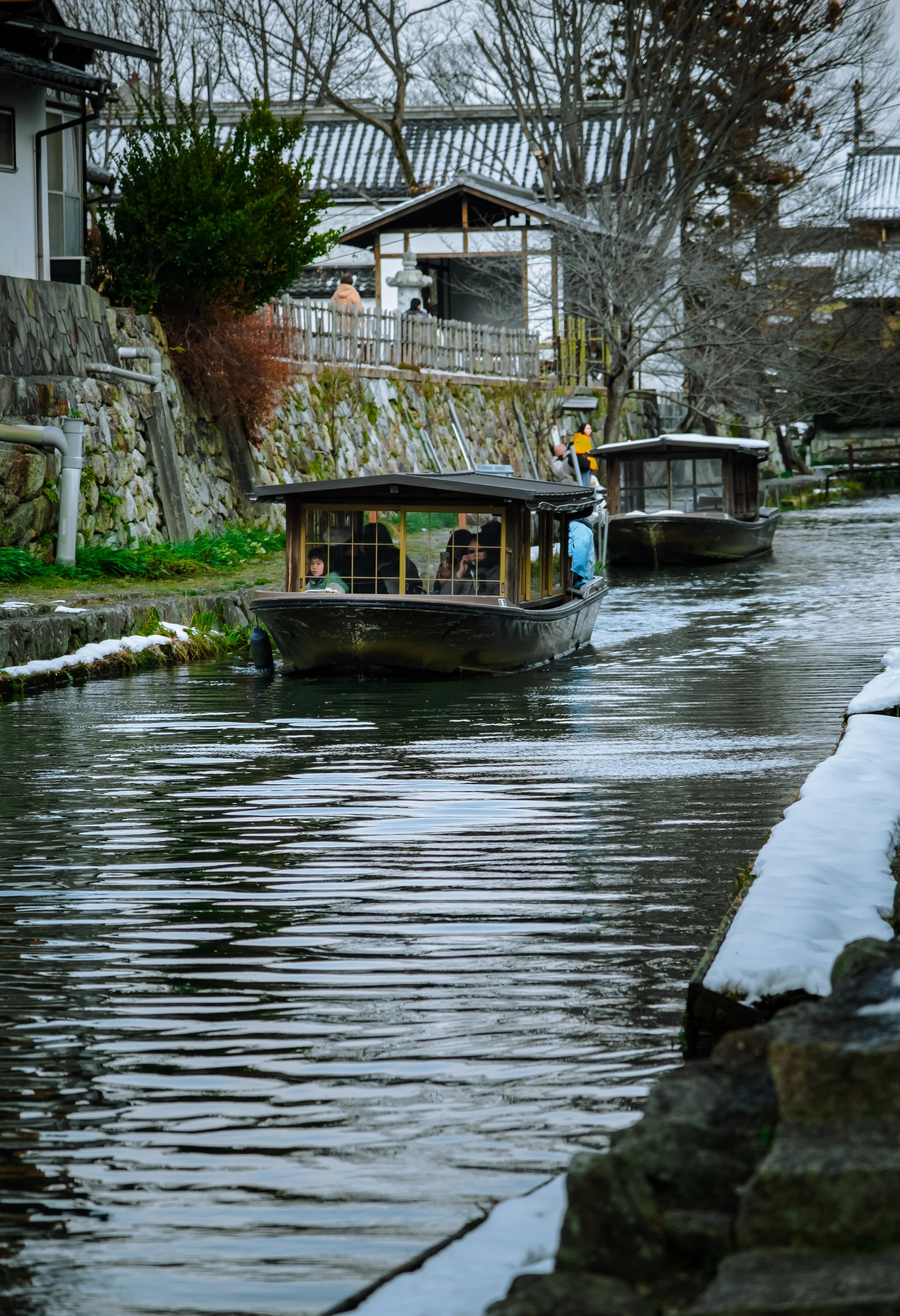
If you have time to spare and want to see a quieter, less polished side of Japan, Omihachiman is worth the detour, just under an hour from Kyoto. This town is also known as the Venice of Japan for its canals and the opportunity to explore them by “gondola”, its traditional houses, and a glimpse into daily life in a more rural Japan. But its canals weren't the only reason I headed here, but rather "La Collina." A factory and sweets shop that's a cross between "The Chocolate Factory" and a Ghibli film. Turning the corner, you'll be transported to another world. Today, it's one of Shiga Prefecture's main tourist attractions, delighting not only with its sweets but also with its bucolic panorama.
TRYING A TRADITIONAL TEA CEREMONY
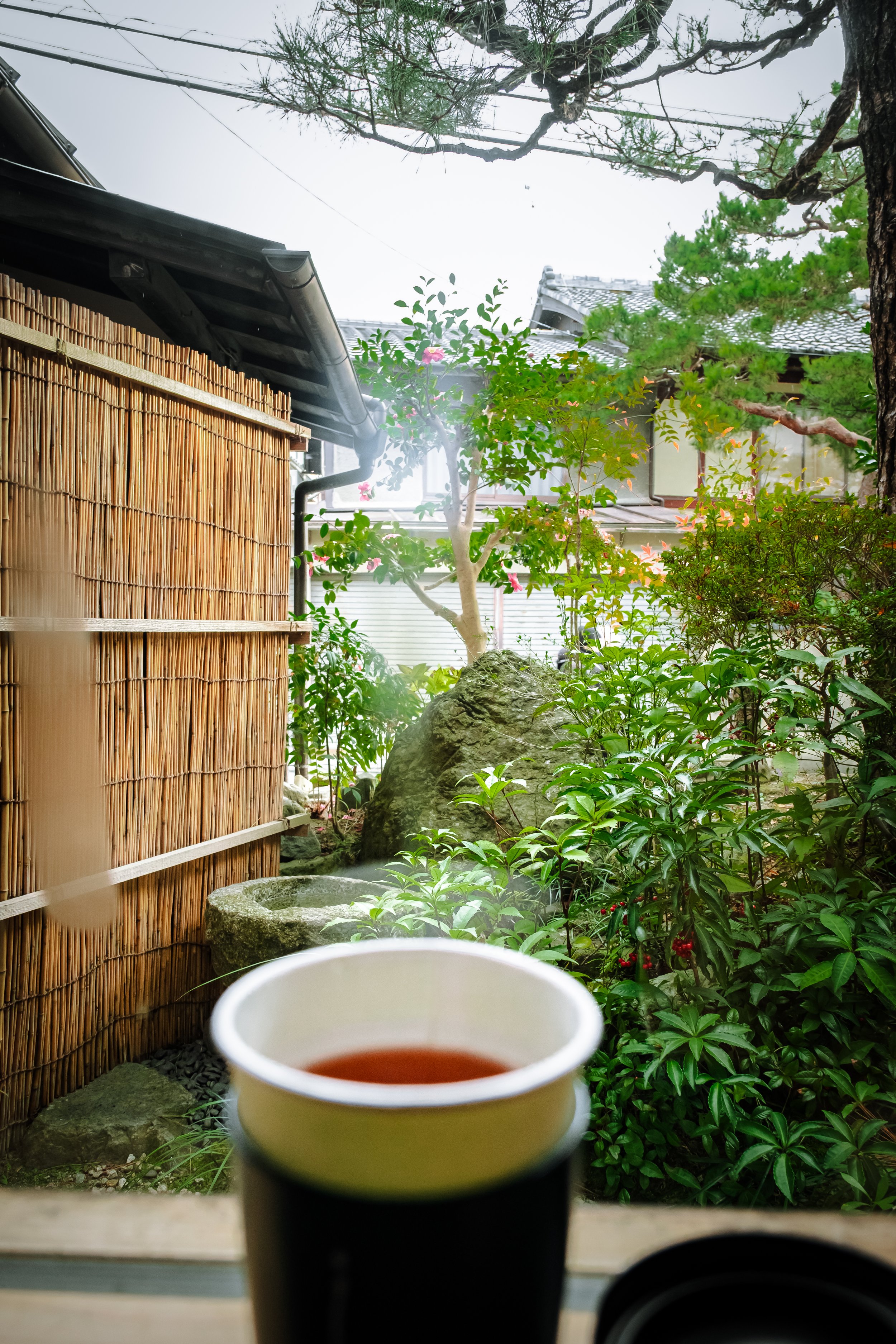
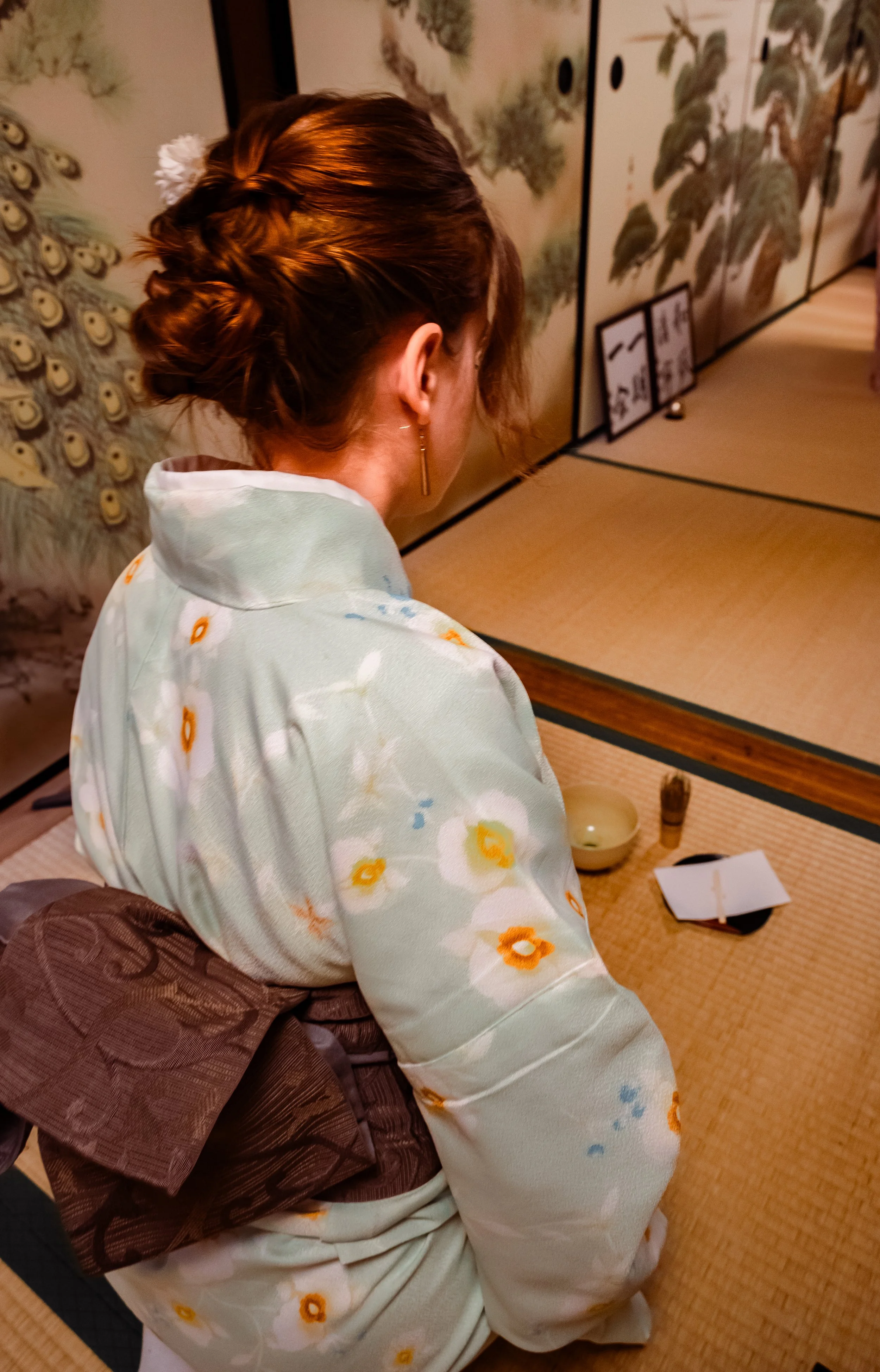
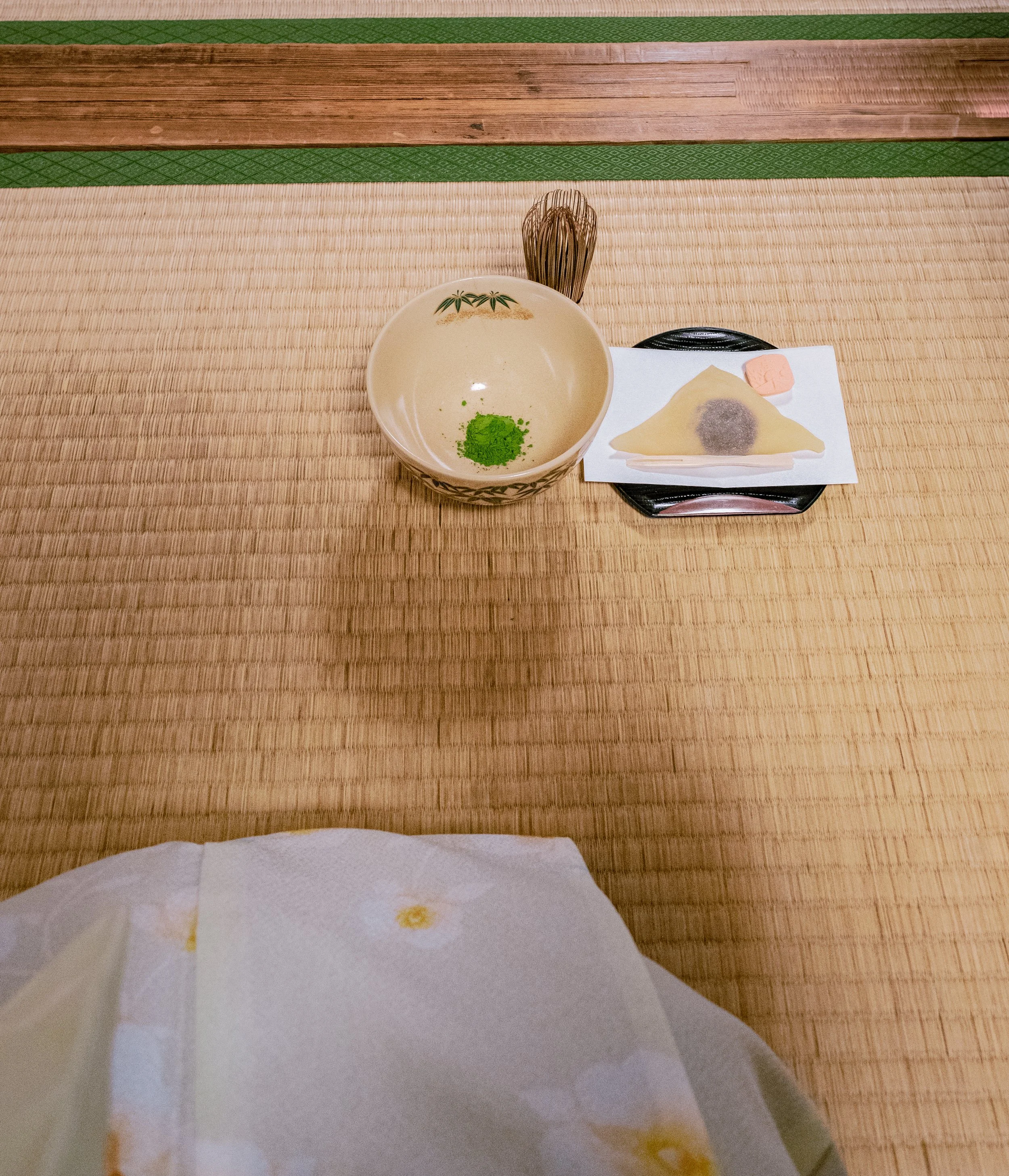
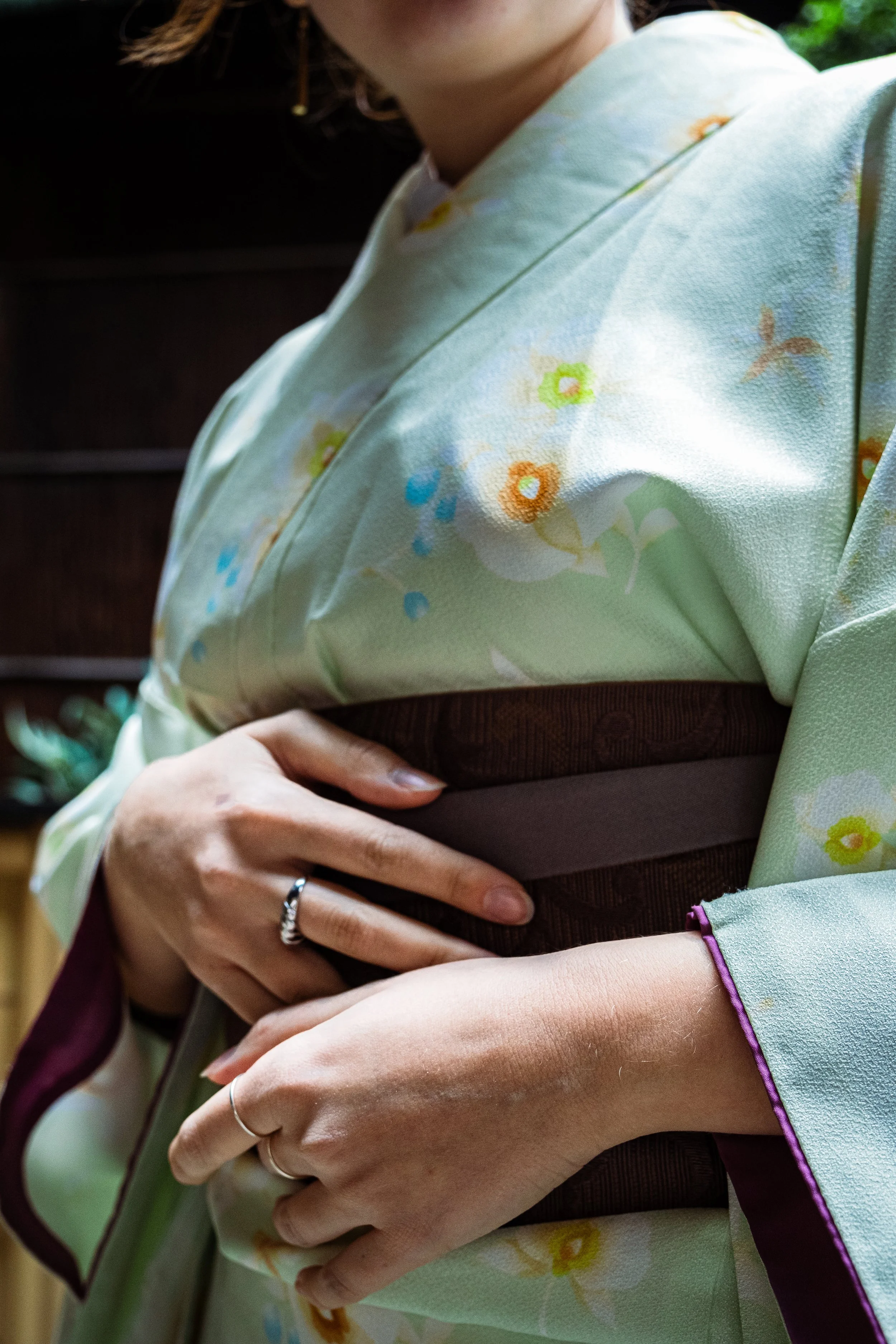
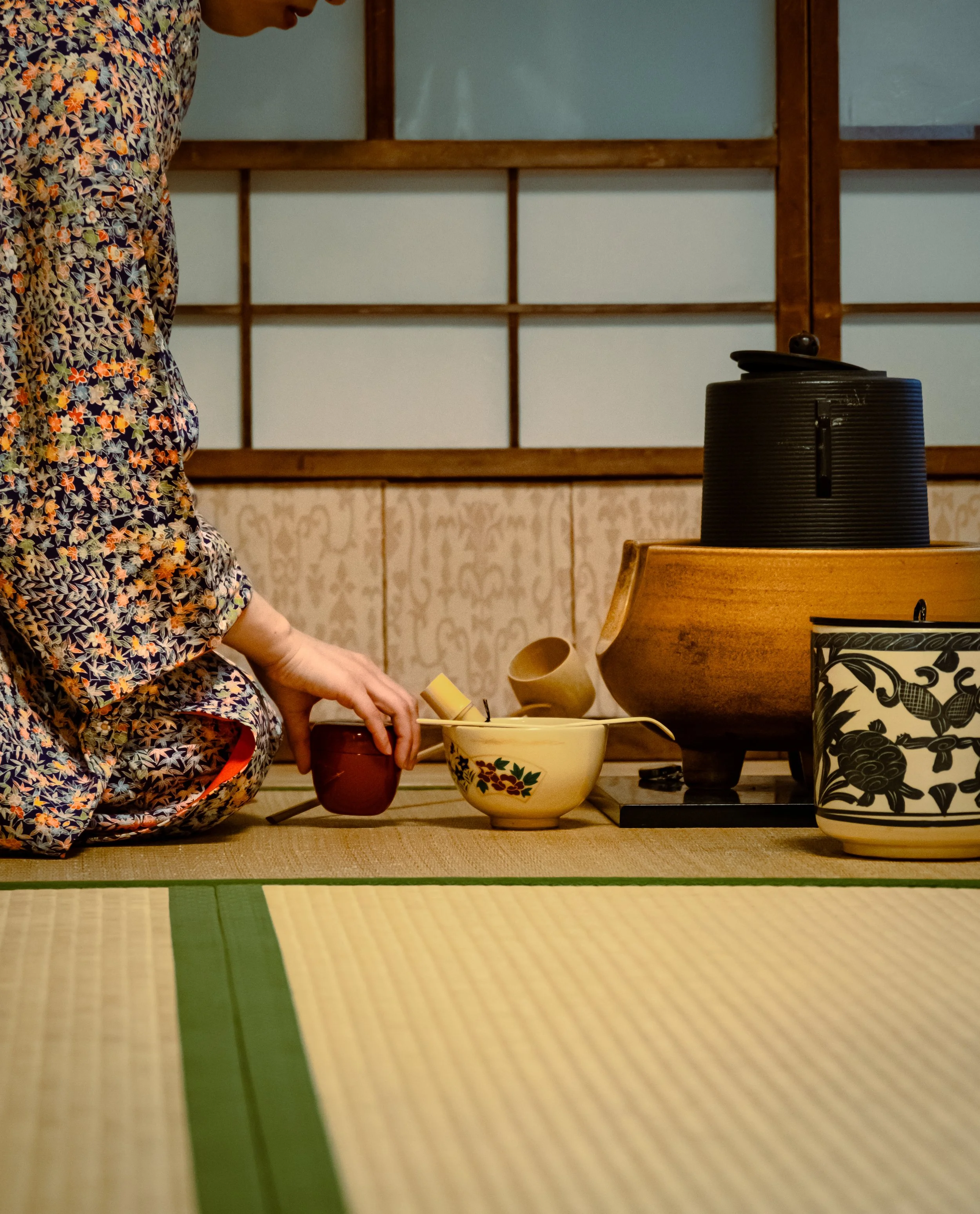
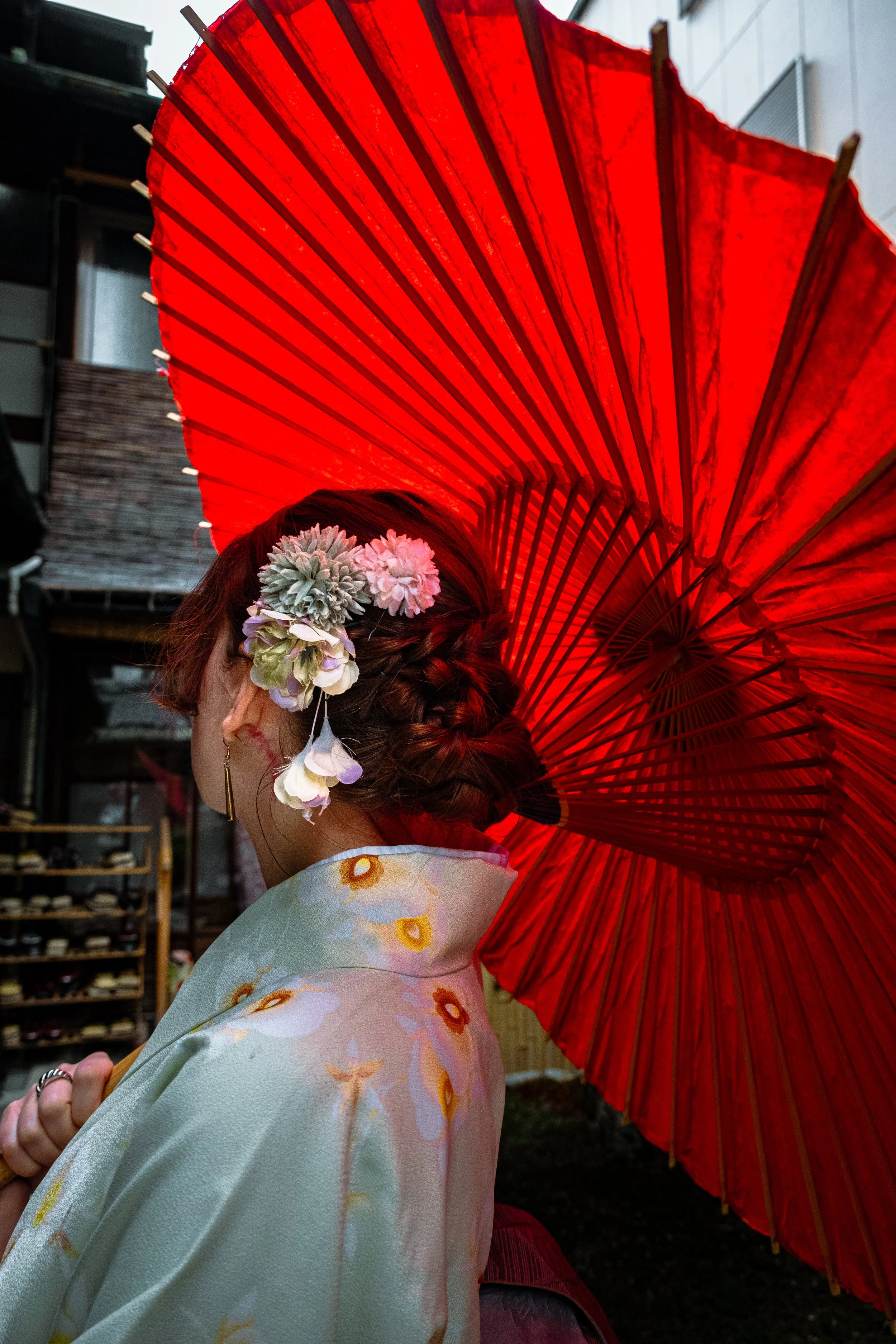
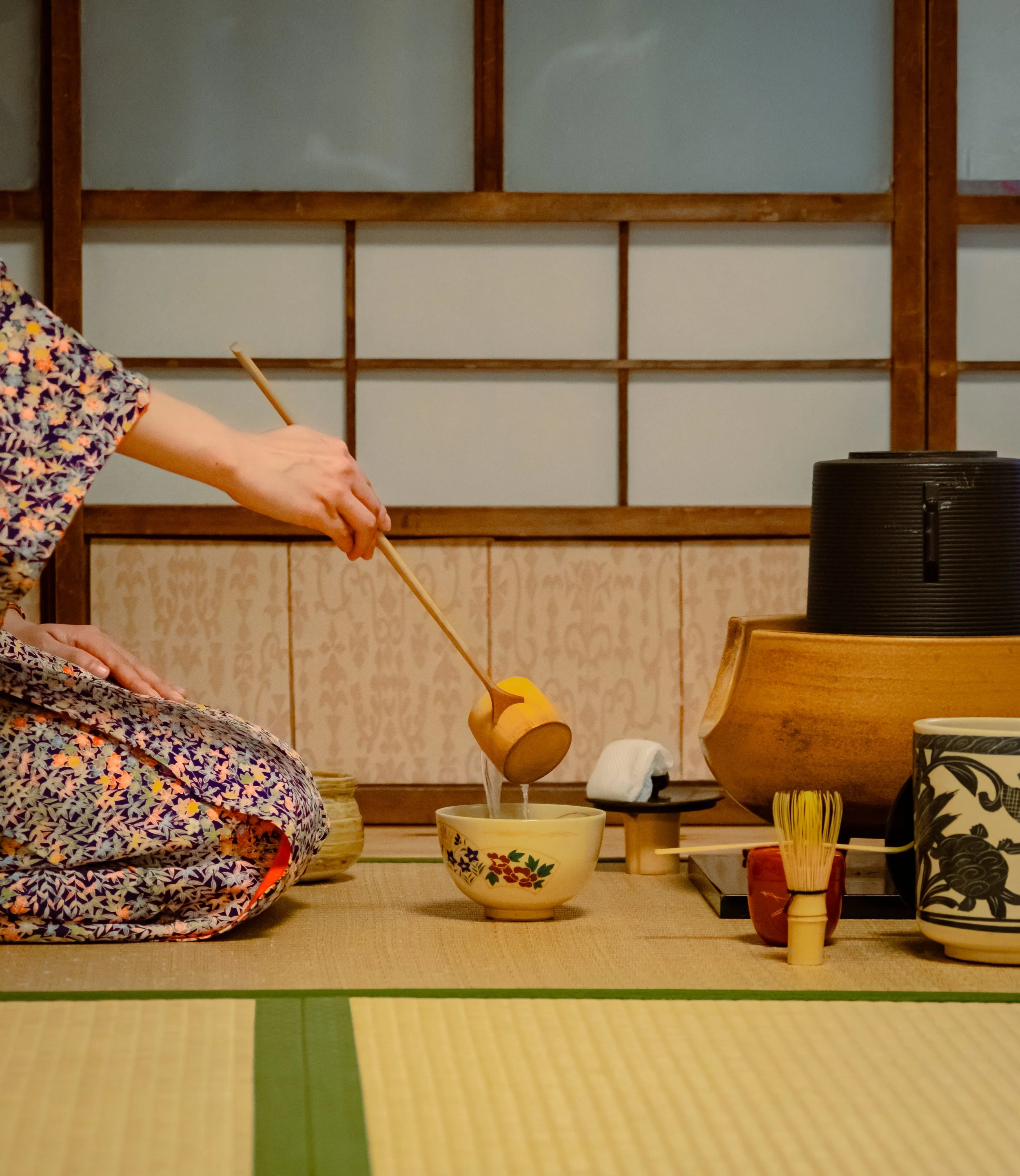
One of the things I've always wanted to do if I ever visited Japan was to wear a kimono and take part in a tea ceremony, and in Kyoto, you can do just that. Rentig a kimono in Kyoto is an amazing experience and an opportunity to wander through its street even if you decide not to take part in a tea ceremony. The experience begins the moment you're guided and dressed in your chosen kimono, then led to a quiet tatami room where the actual ceremony begins. Every movement has meaning; the goal isn't the tea itself, but rather living in the moment, freeing your mind; it's about presence. Drinking matcha in that setting wasn’t just about the taste (which, honestly, is strong and a bit bitter if you’re not used to it). It was about slowing down enough to actually experience it.
WHAT KYOTO ACTUALLY FEELS LIKE
Kyoto isn’t just about temples or landmarks. It’s about contrast.
It’s the busy streets versus the silence of a hidden shrine. It’s the structure of tradition mixed with the unpredictability of wandering.
If I had to give one piece of advice, it would be this: Don’t try to “complete” Kyoto. Let it unfold slowly. Leave gaps in your itinerary. Follow random streets. Sit down more often than you think you should, and think to opt for a free walking tour to discover the main monuments of Kyoto.