TOKYO BEYOND CROWDS
A TRAVEL GUIDE TO THE CITY’S DIFFERENT SIDES
Useful Link For Your Trip to Tokyo:
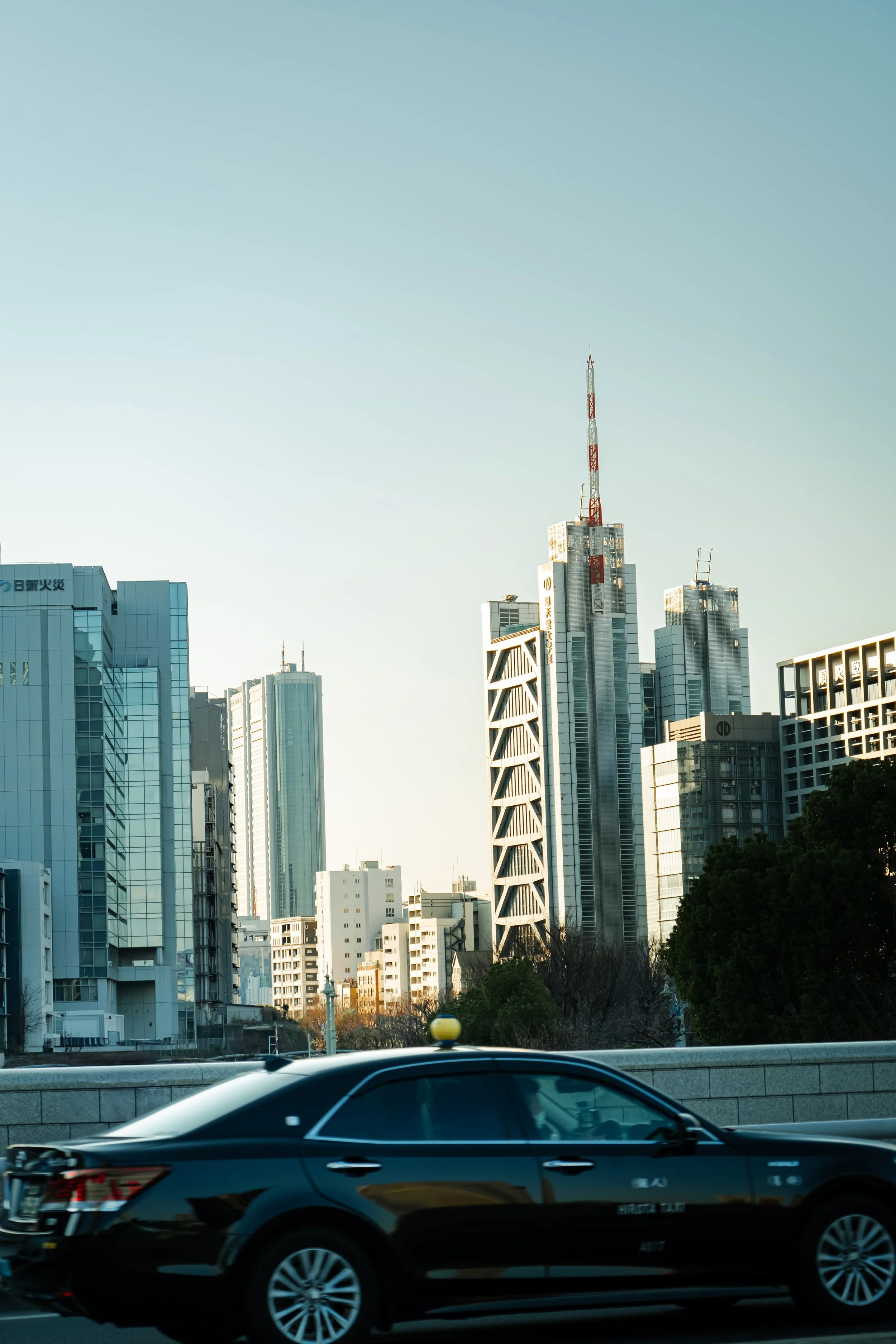
This trip to Japan was long overdue. I've dreamed of visiting the land of the rising sun for years. I grew up watching dozens of anime, which, in one way or another, shaped my fascination for this country, its culture, and its food. And honestly, I wasn't sure I'd ever be able to make this dream come true, until it actually did. I spent just under two months in Japan, discovering some of the hotspots and must-sees, as well as hidden gems and places less touristy, uncovering a slower side of Japan.
But let's start from the beginning, where my journey started and ended: Tokyo.
You've surely seen photos of skyscrapers, neon lights, konbini, futuristic trains, and overcrowded pedestrian crossings... but then you arrive, and somehow it’s also quiet, organized, almost peaceful in places you wouldn’t expect.
The best way to describe Tokyo is that it’s a collection of completely different worlds stitched together.
Landing in Tokyo feels overwhelming at first. And before coming here, I spent days studying the transportation system, and everyone kept telling me how simple it would have been. But you don't understand how intuitive and simple getting around Japan truly is until you experience it for yourself—unless you're in Shinjuku, but that’s for another story.
Everything is big. Everything moves fast. And yet, nothing feels out of control. And once you get over that initial shock, you start to enjoy it.
NEIGHBORHOODS YOU SHOULDN'T MISS
Each neighborhood in Tokyo has its own identity, and each has something different and unique to offer. Let's start with:
SHIBUYA
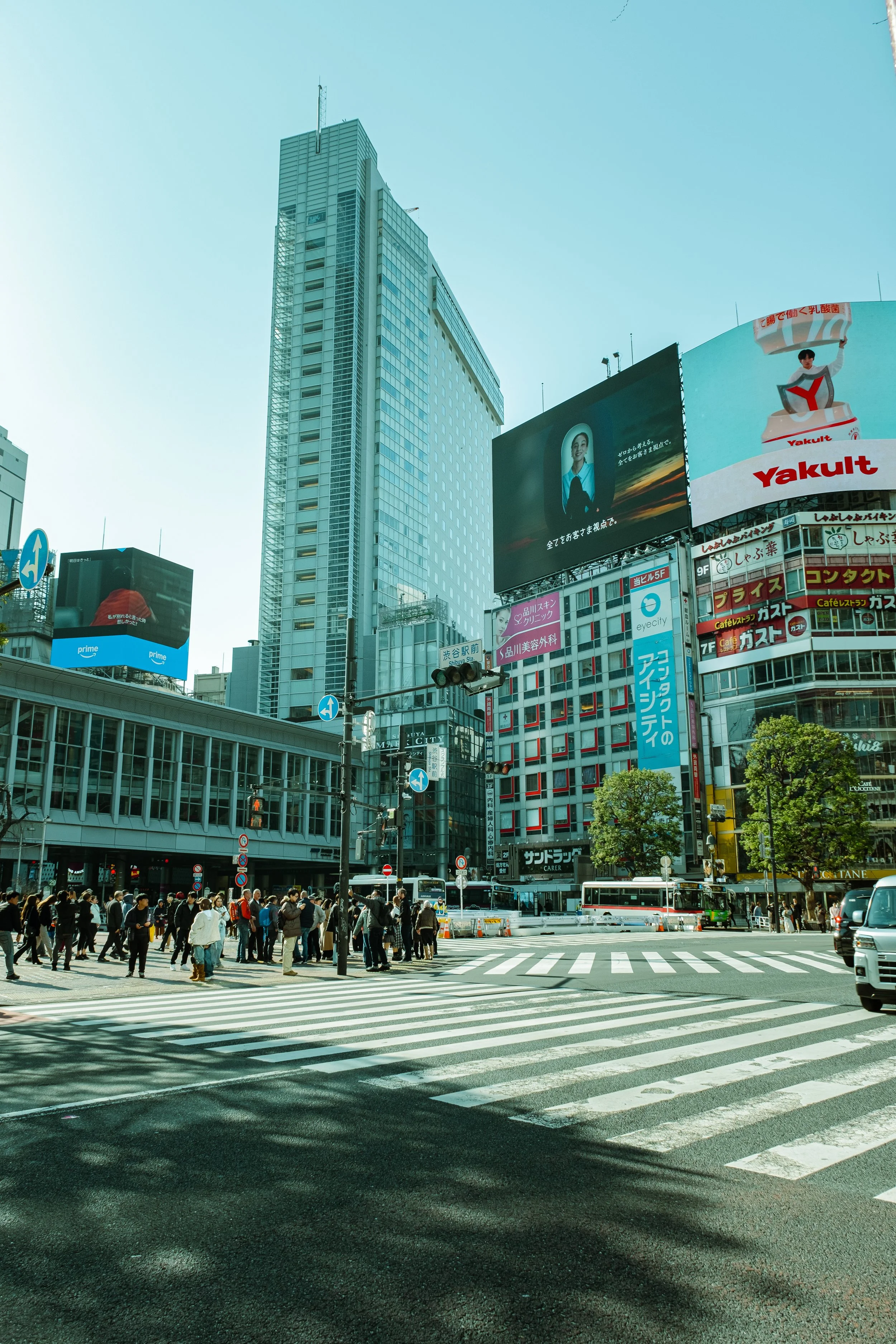
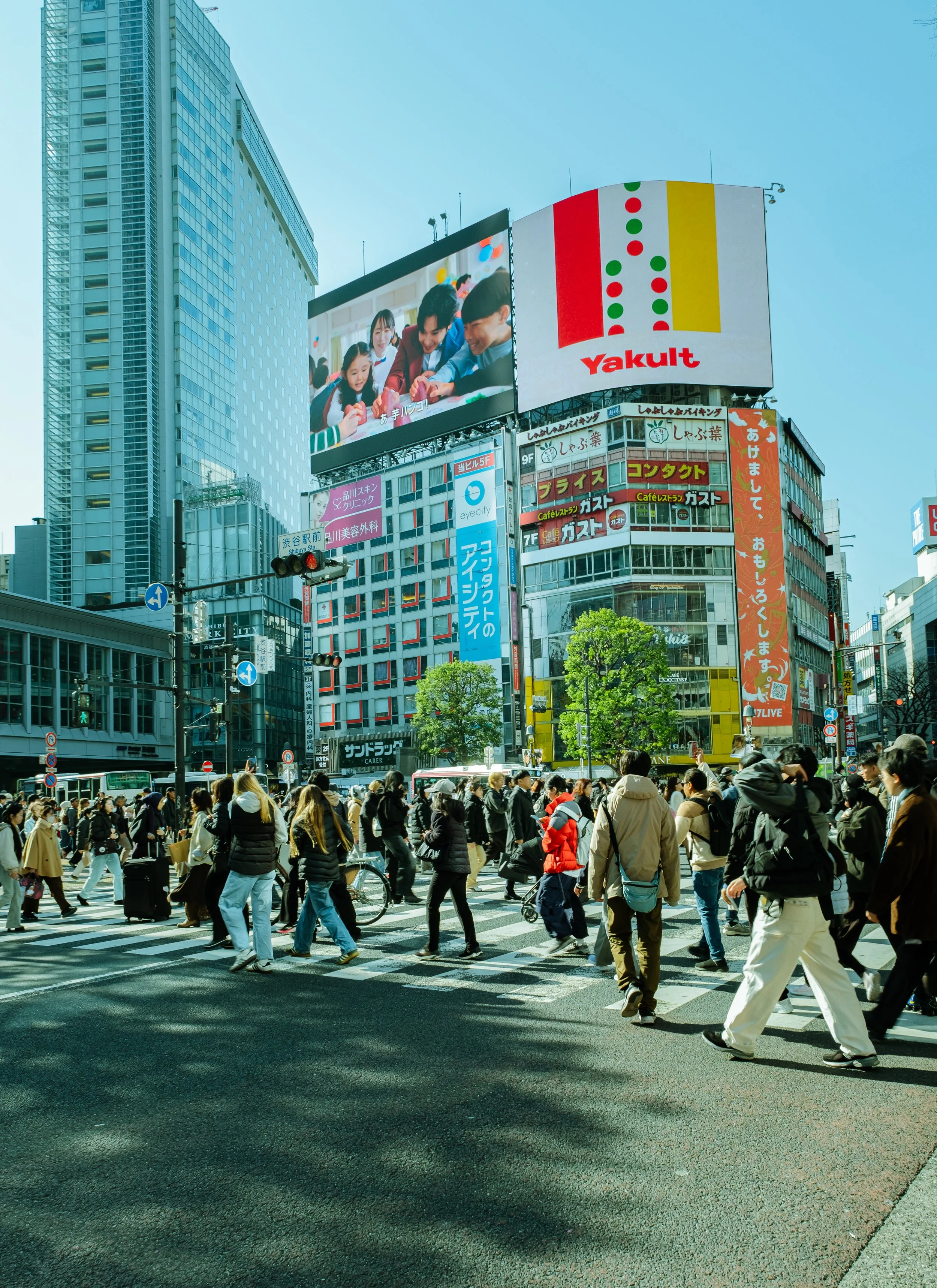
This is probably the image you already have in your head. The famous crossing, giant screens, crowds moving in every direction, it’s intense. But Shibuya is so much more. I personally haven't spent much time here, simply because I found it too overwhelming for me, but if you're a One Piece fan, like me, you can't skip a visit to the Mugiwara Store located inside the Magnet Building right in front of the famous Shibuya Crossing. And why nor exploring this iconic neighborhood on this free tour of Shibuya and Harajuku.
Here, you can find more free tours of the most famous Tokyo’s district.
ASAKUSA
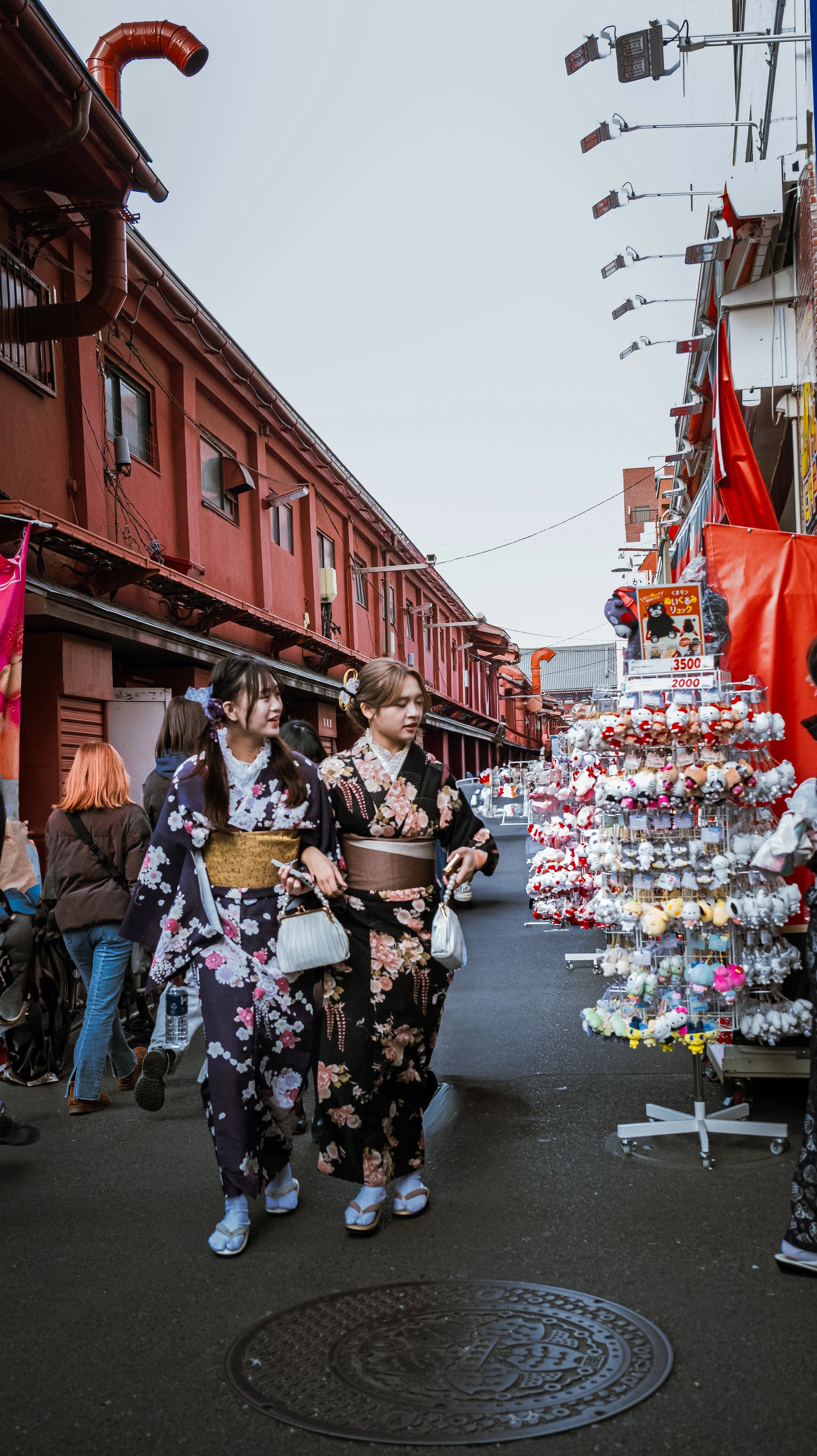
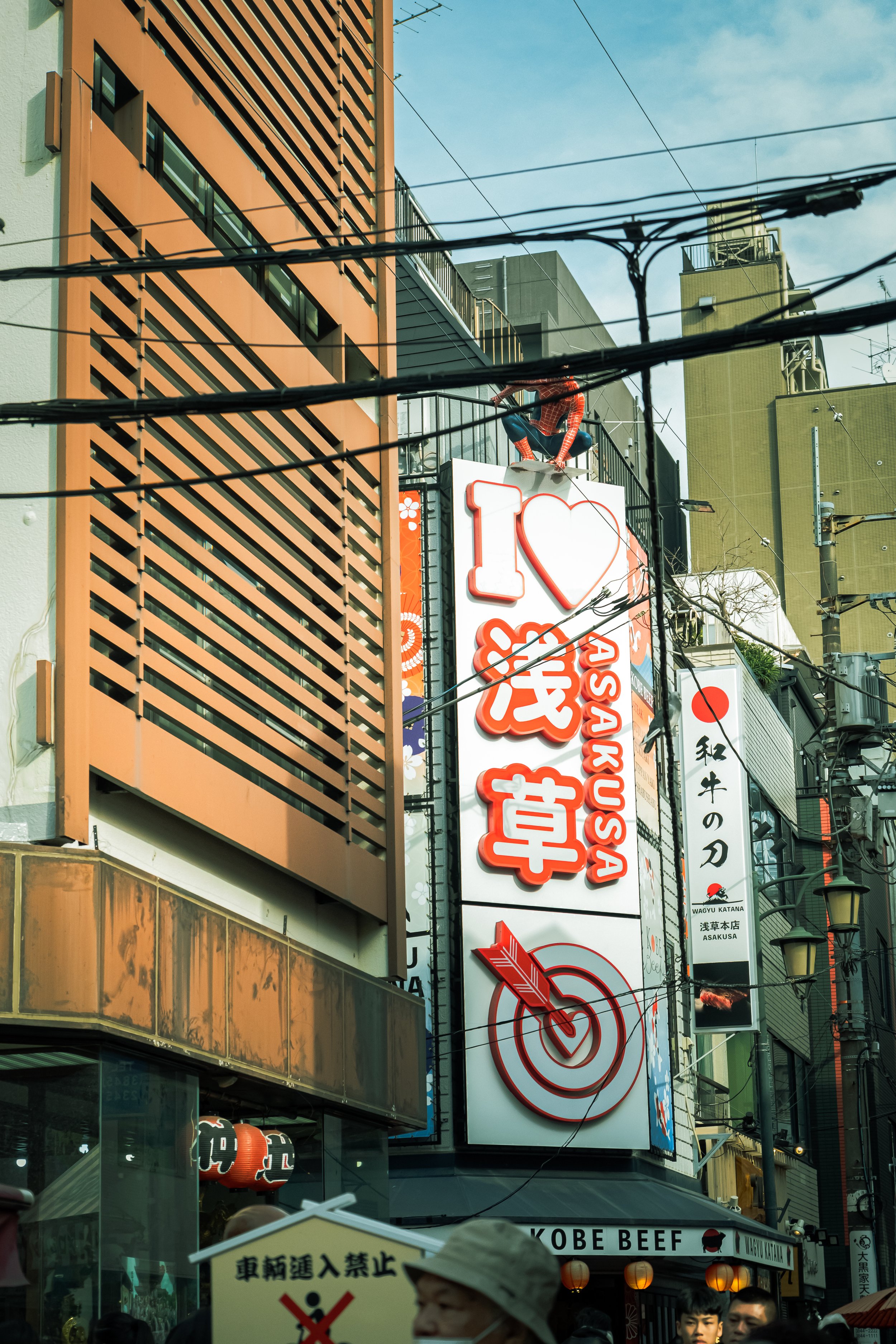
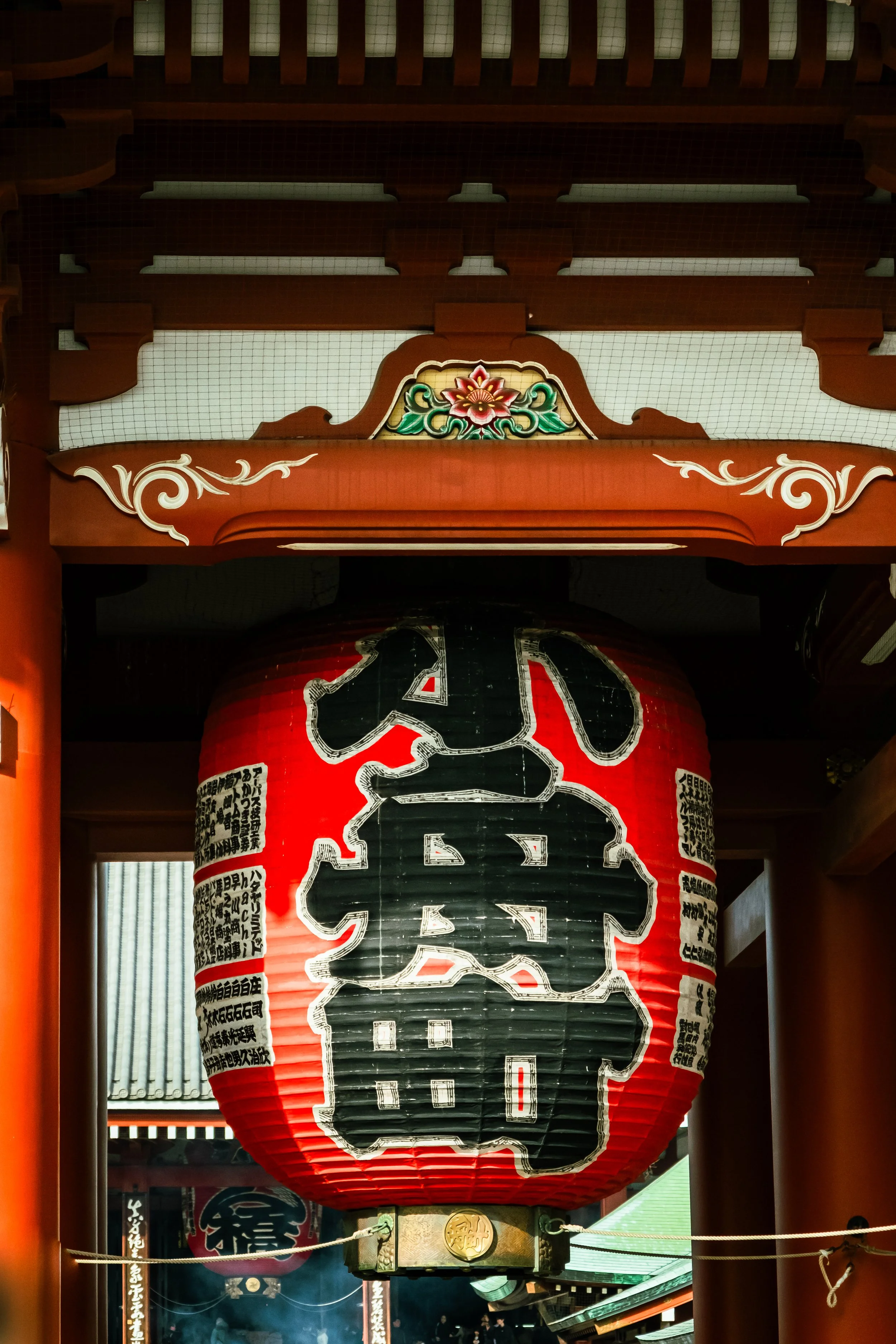
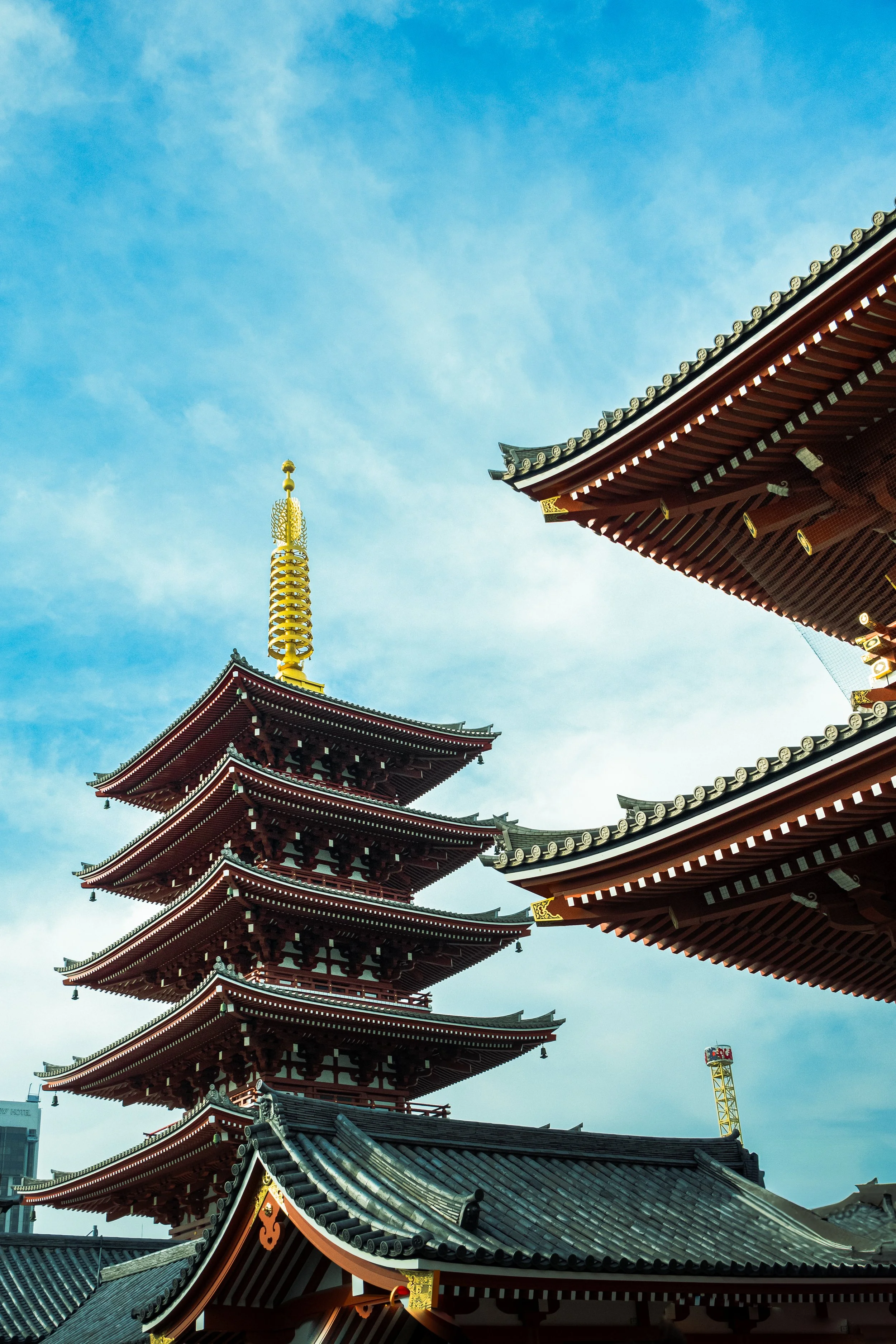
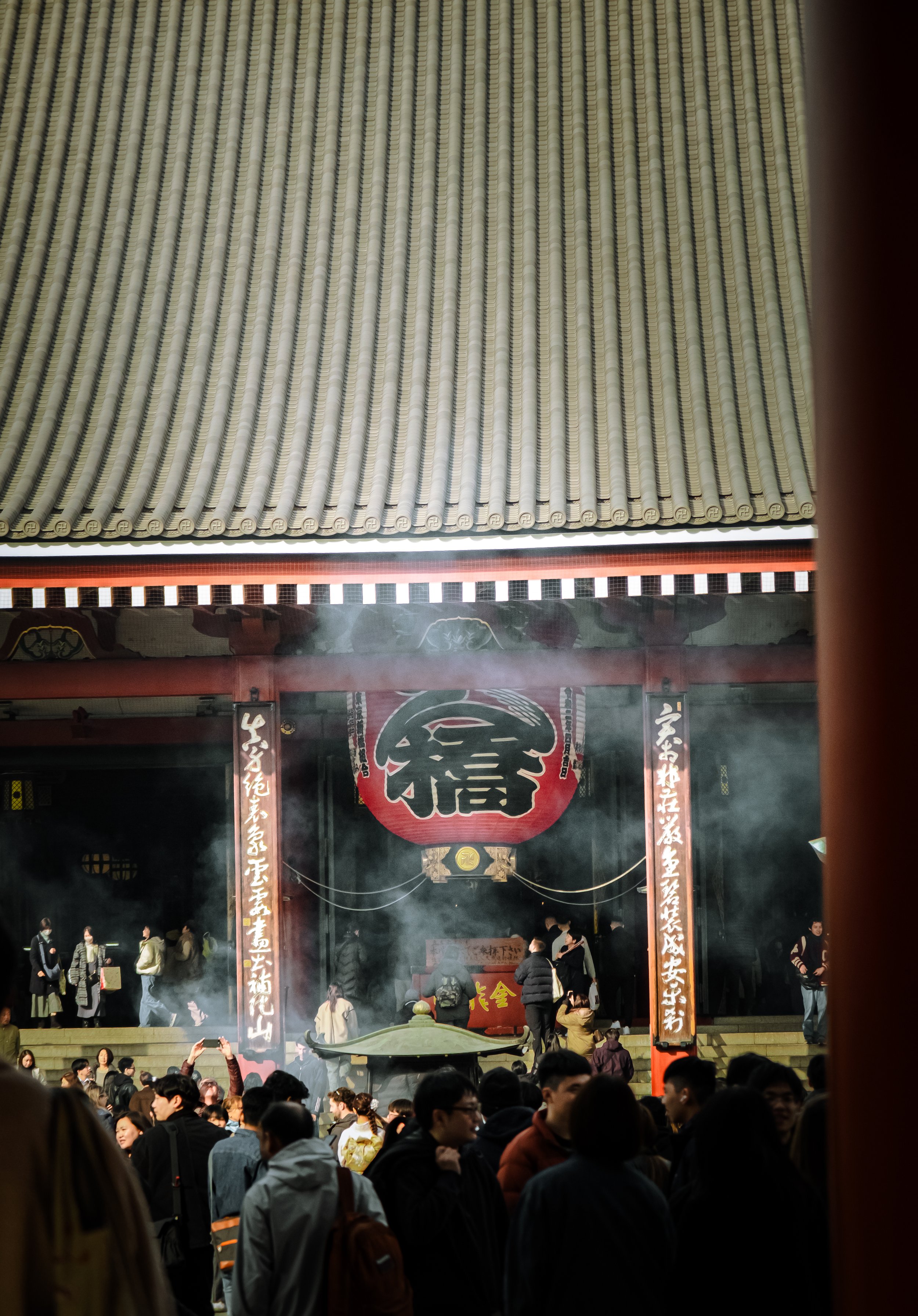
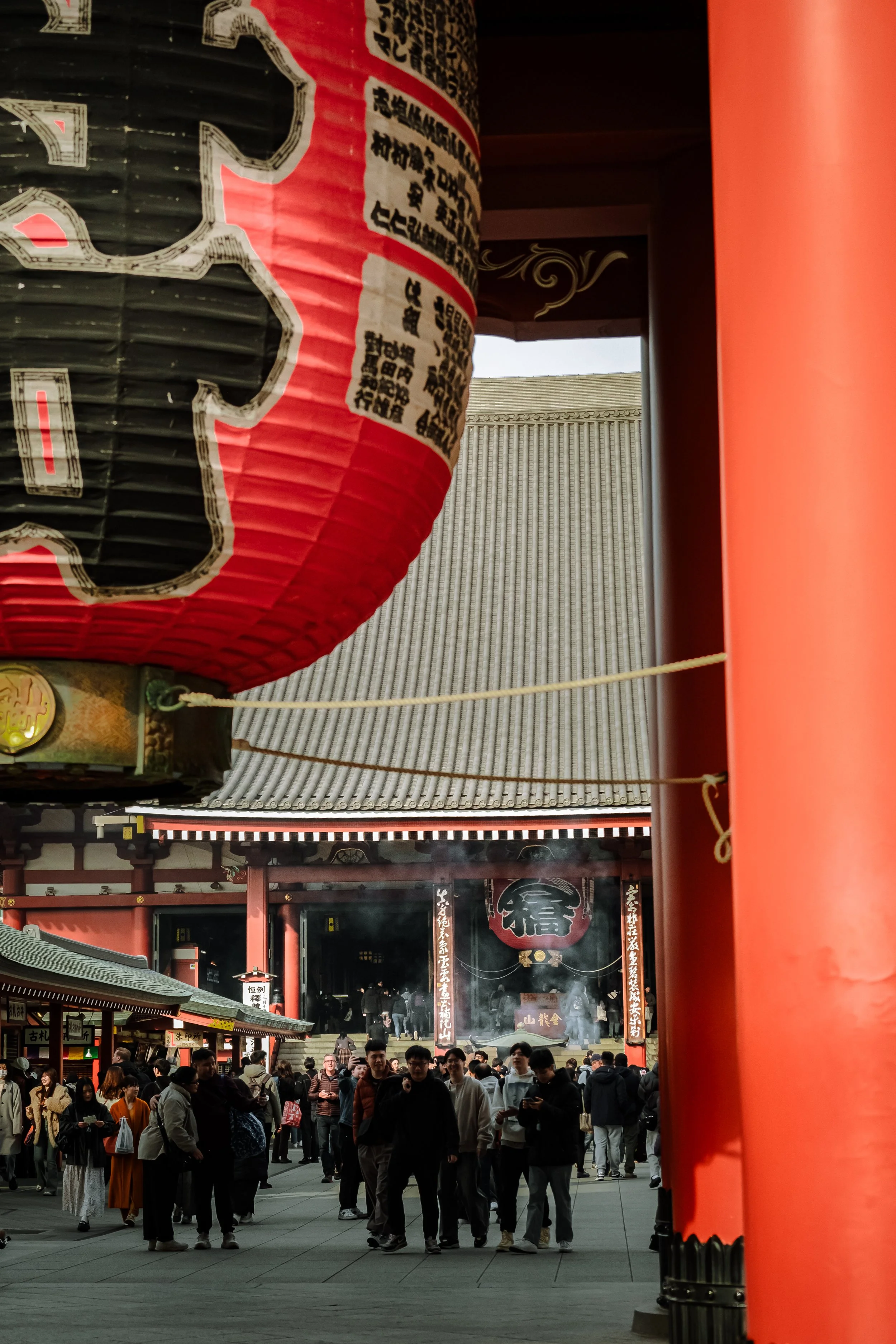
If Shibuya is all about advertising signs, screens, and modern Tokyo, Asakusa brings you back. It’s more touristy, yes, but still worth it. For its street food on Happy Street, Nakamise Dori is lined with shops and souvenirs, and Asakusa's iconic landmark, Kanonimon.
SHINJUKU
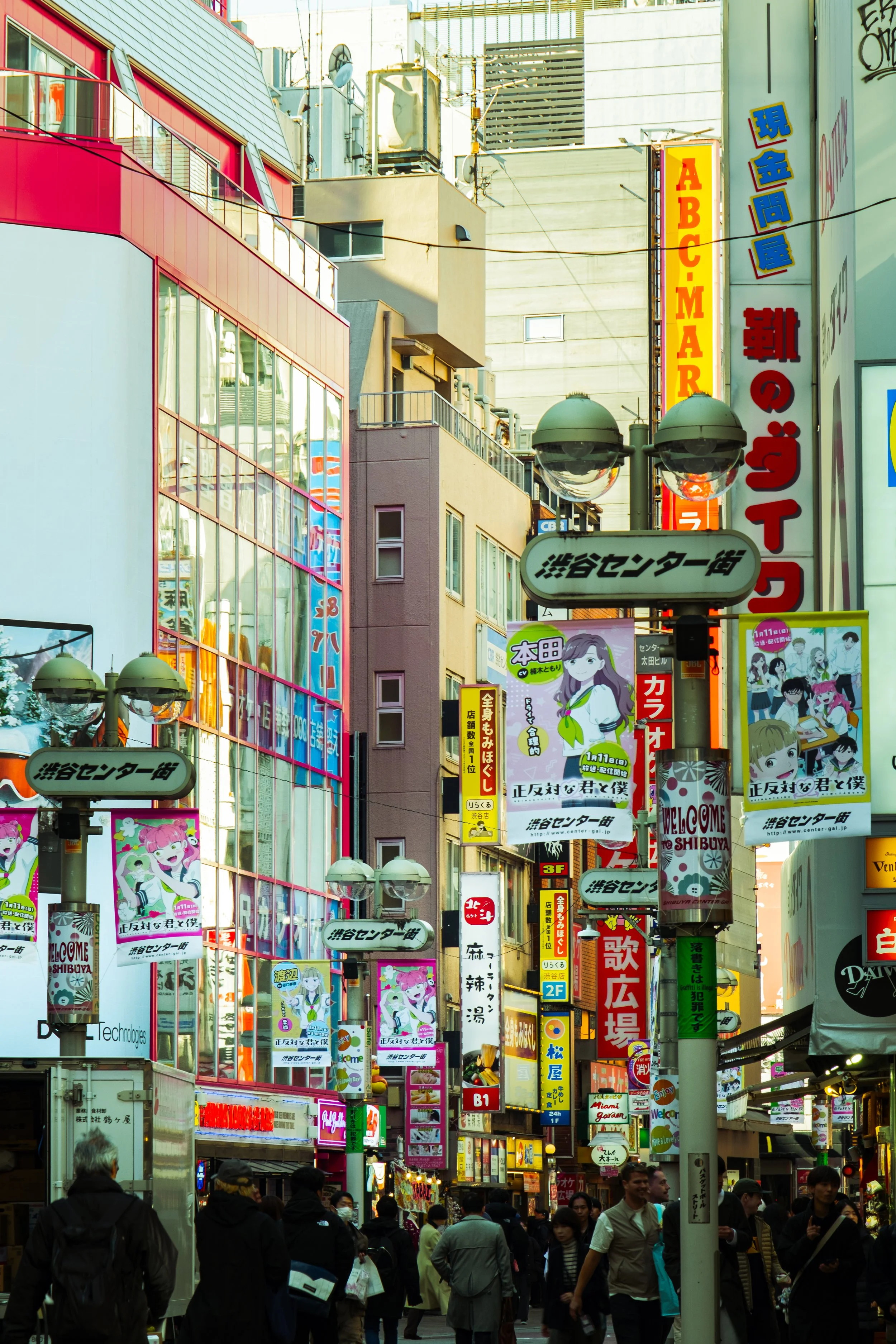
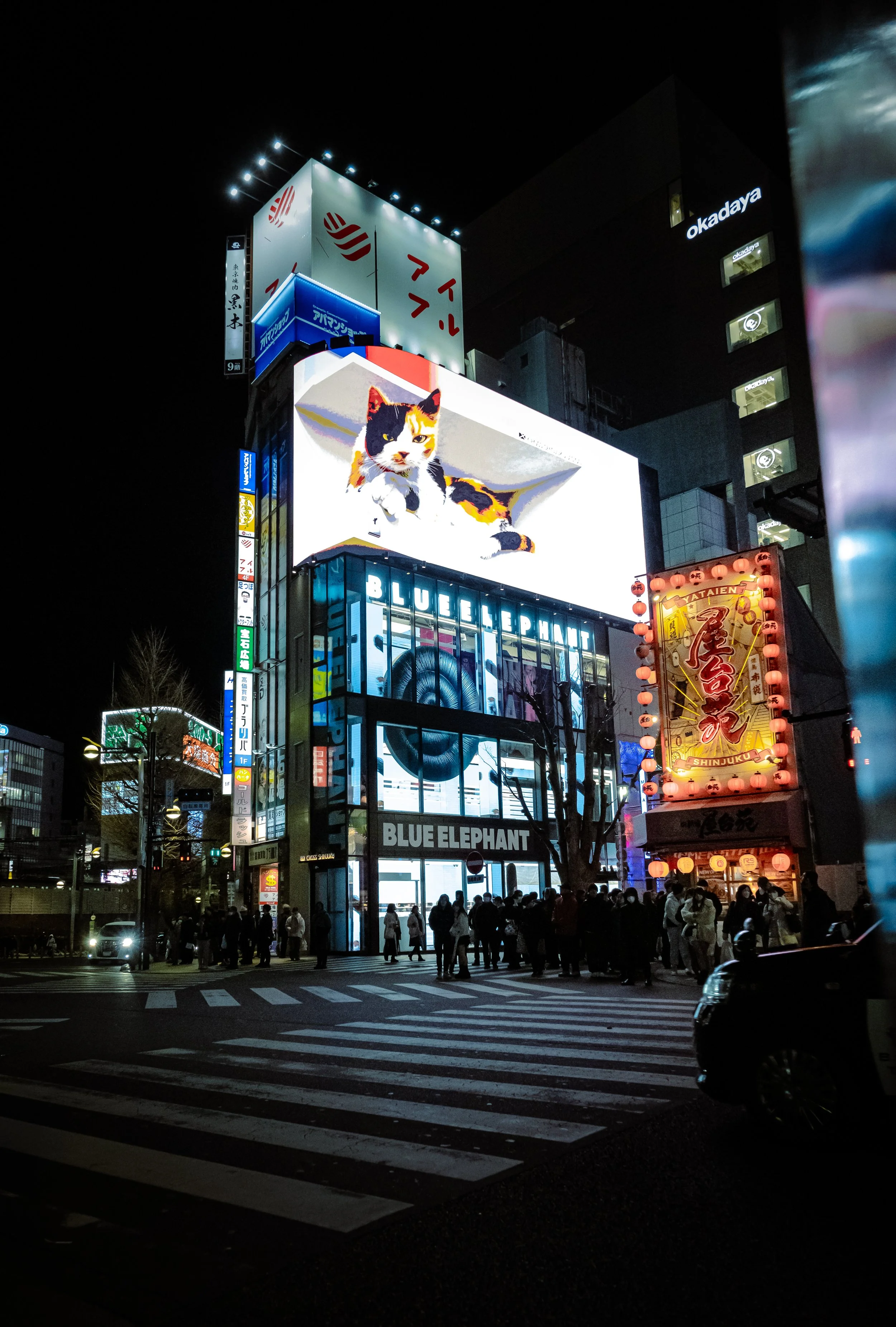
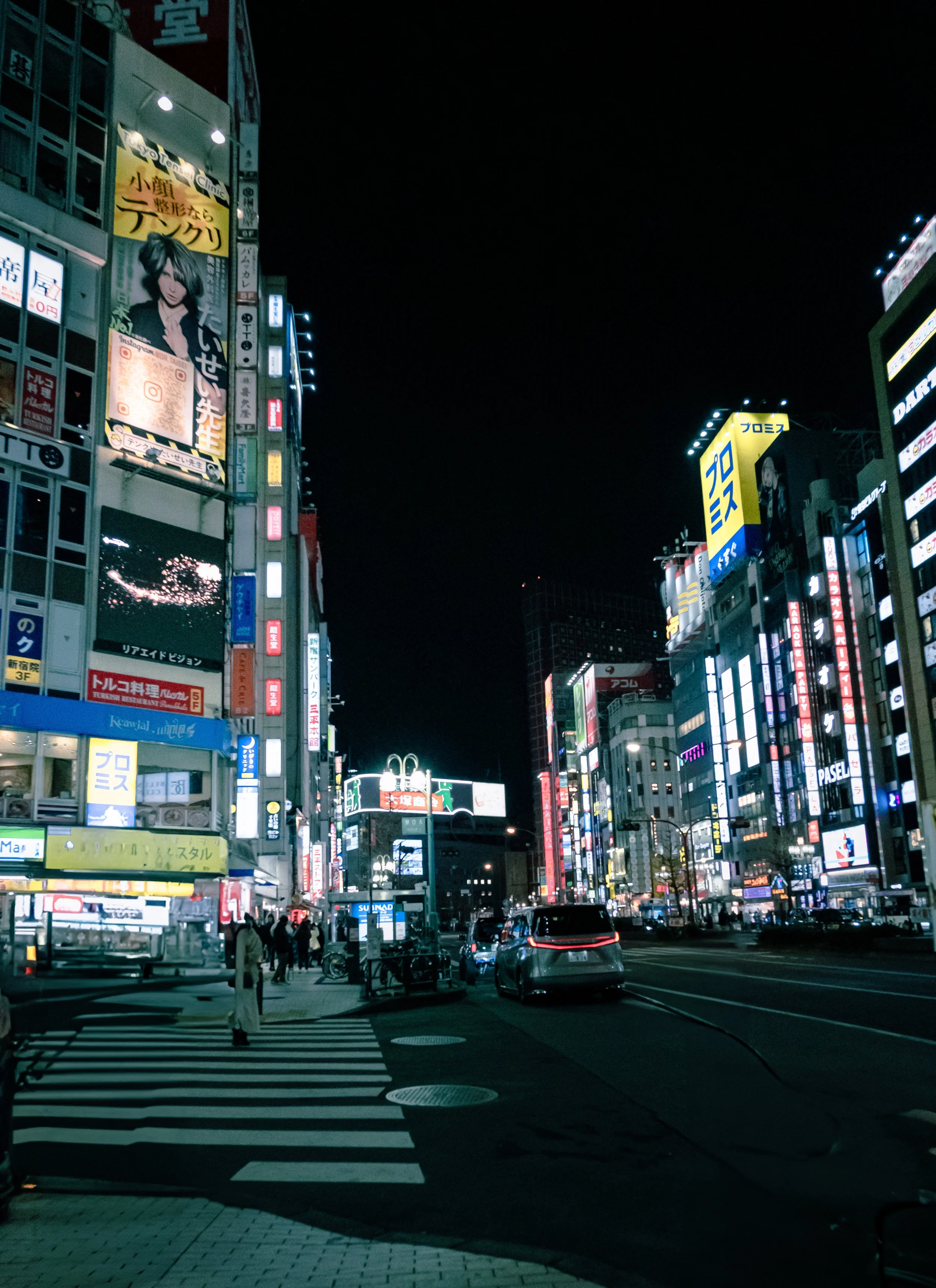
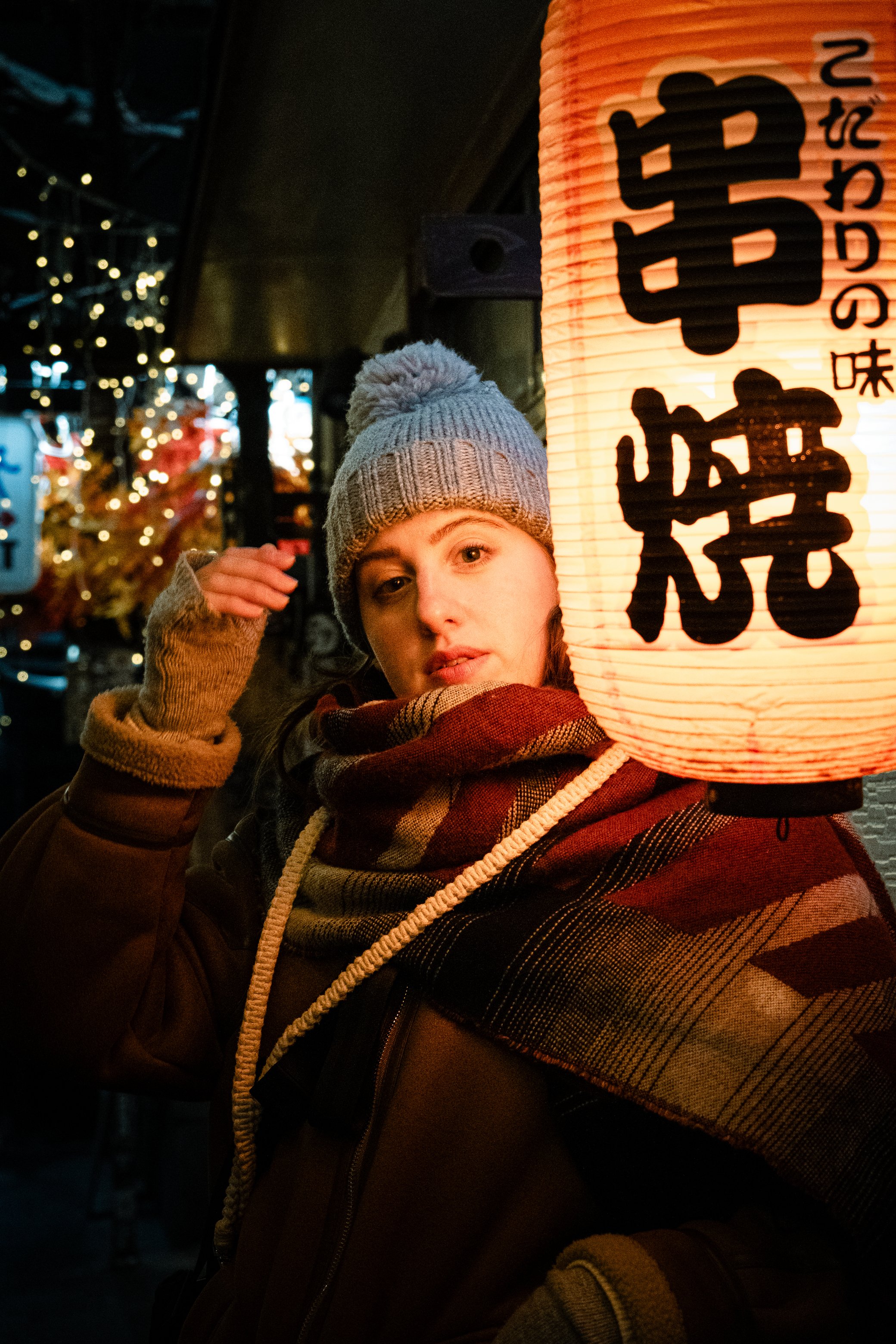
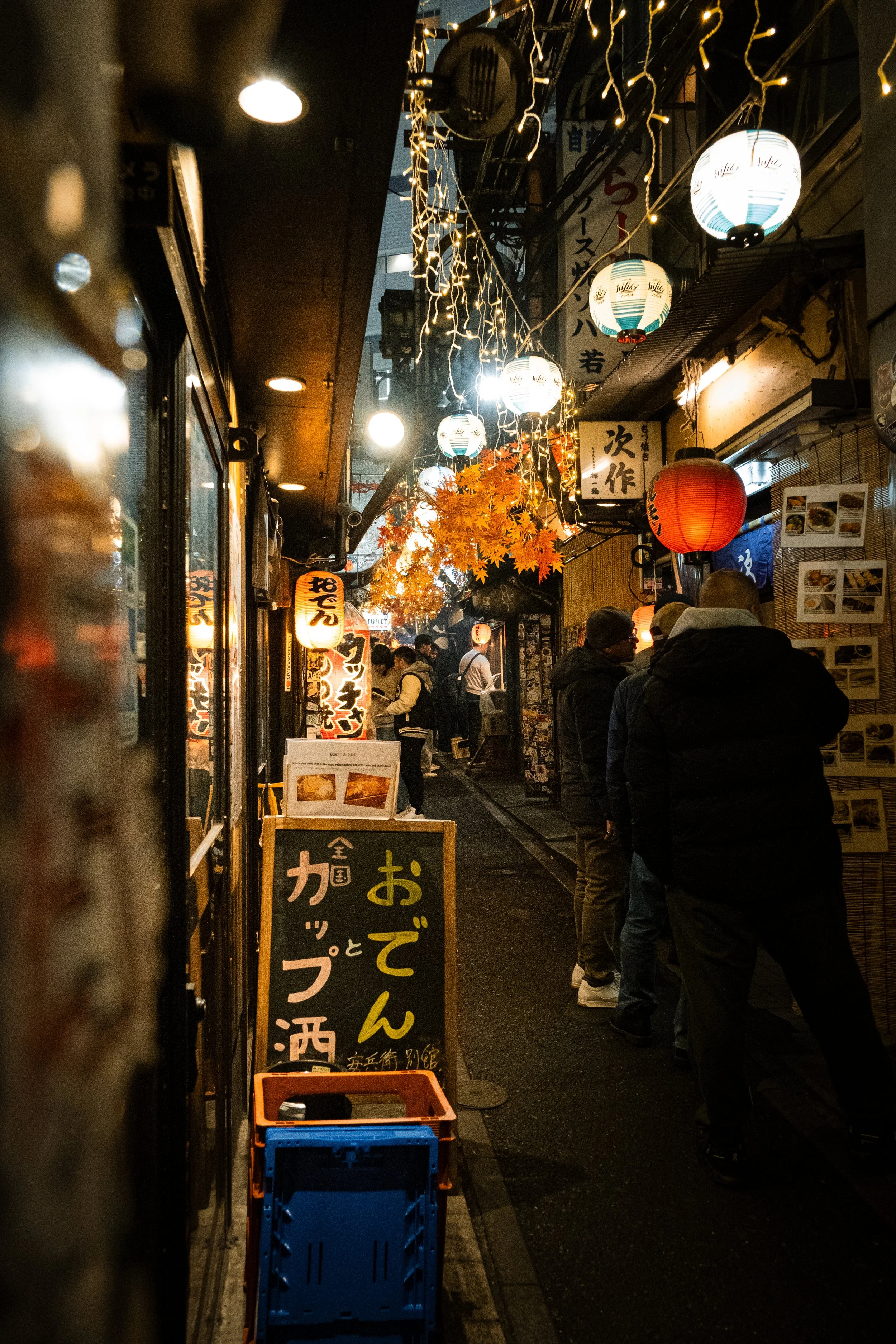
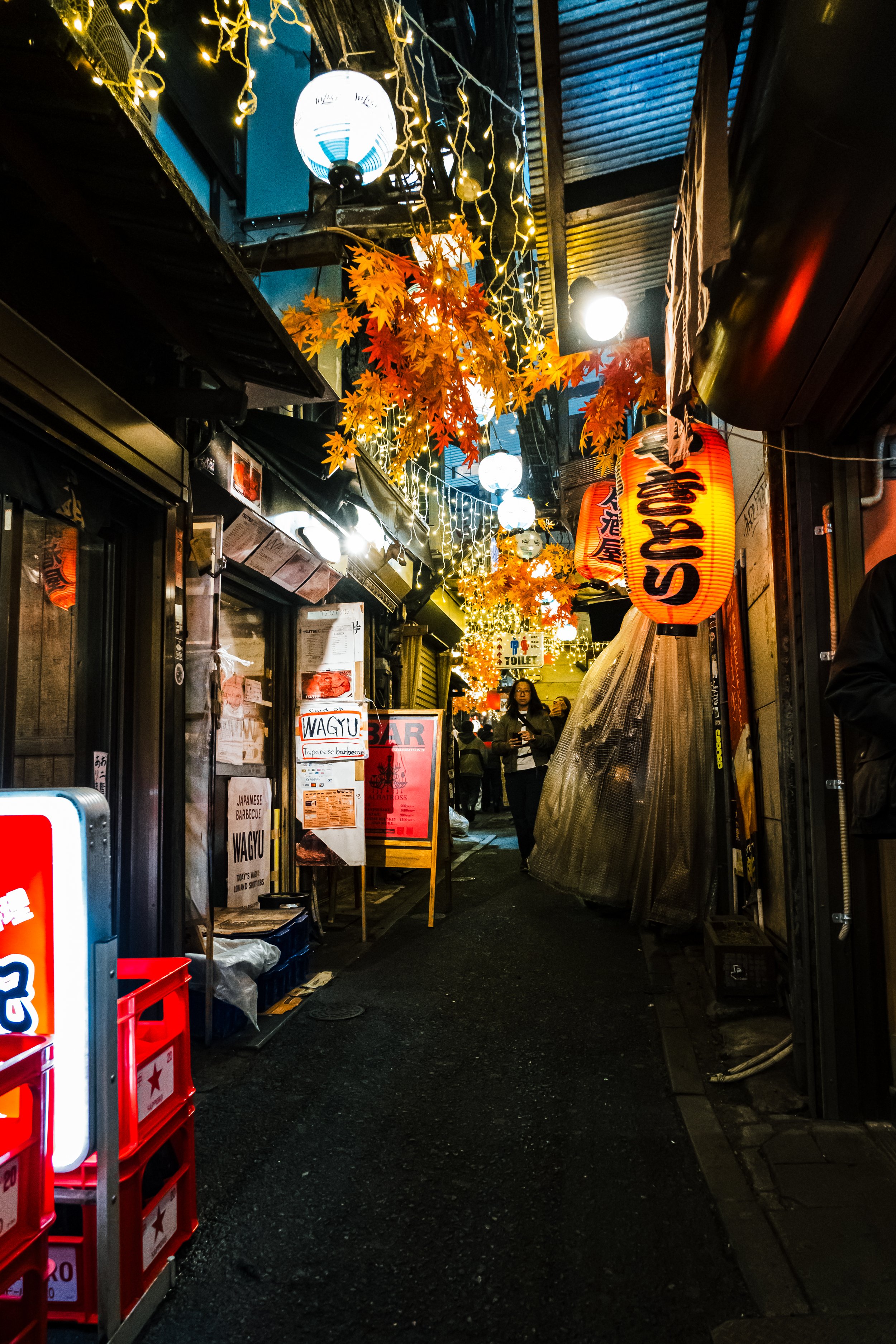
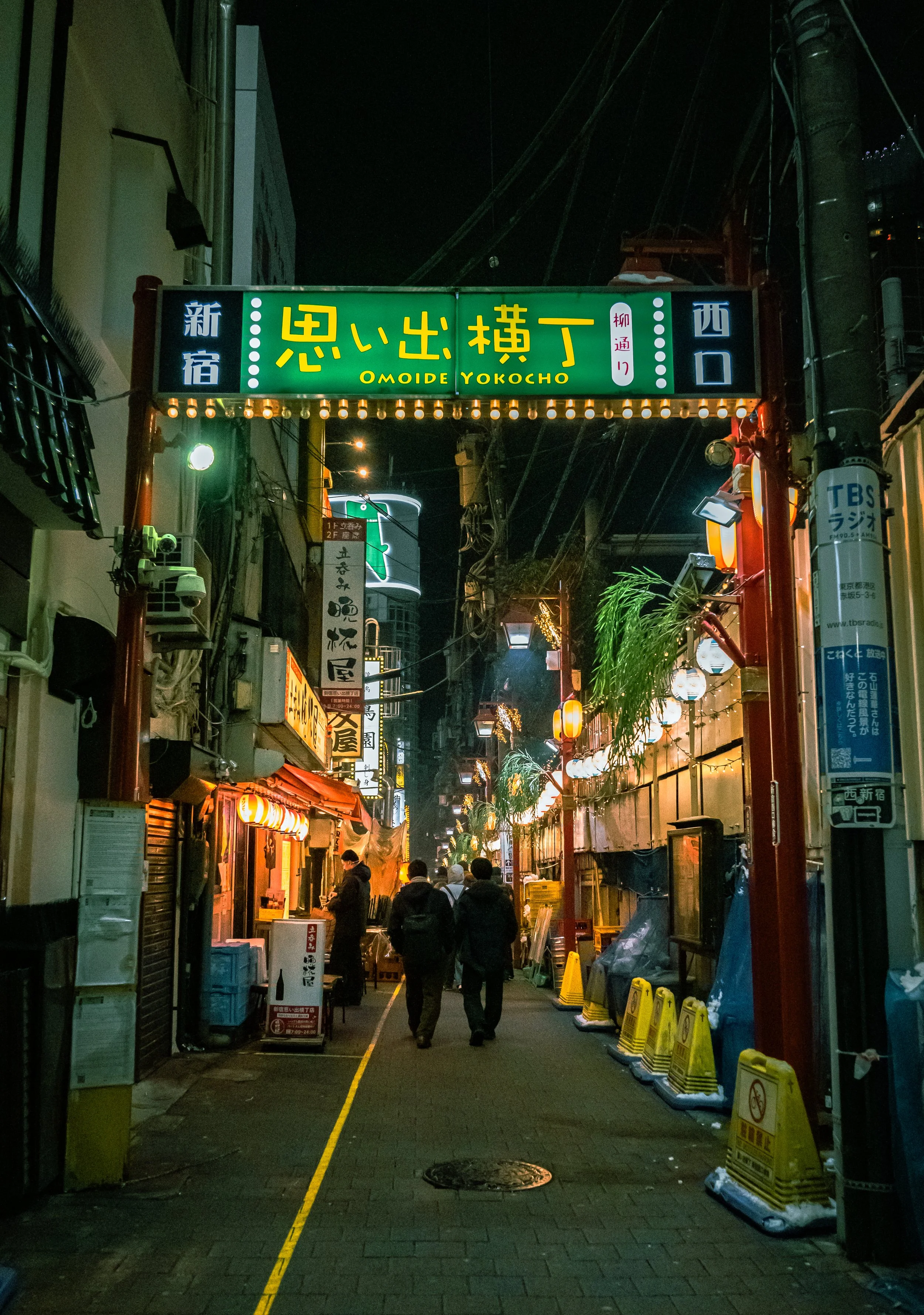
It's the organized chaos of Tokyo. Imagine 3D billboards, neon signs, and crowds of people. This is Shinjuku. It's at night, in my opinion, that it's at its best, revealing its full personality in places like Kabukicho District and Omoide Yokocho, also known as Memory Lane. It seems to have emerged from old Tokyo; it was used as a black market immediately after the war. It's known for its yakitori that line its narrow streets. While it used to be a place where Japanese people gathered for a beer after work, today it has a more touristy than local feel, in my opinion.
GINZA
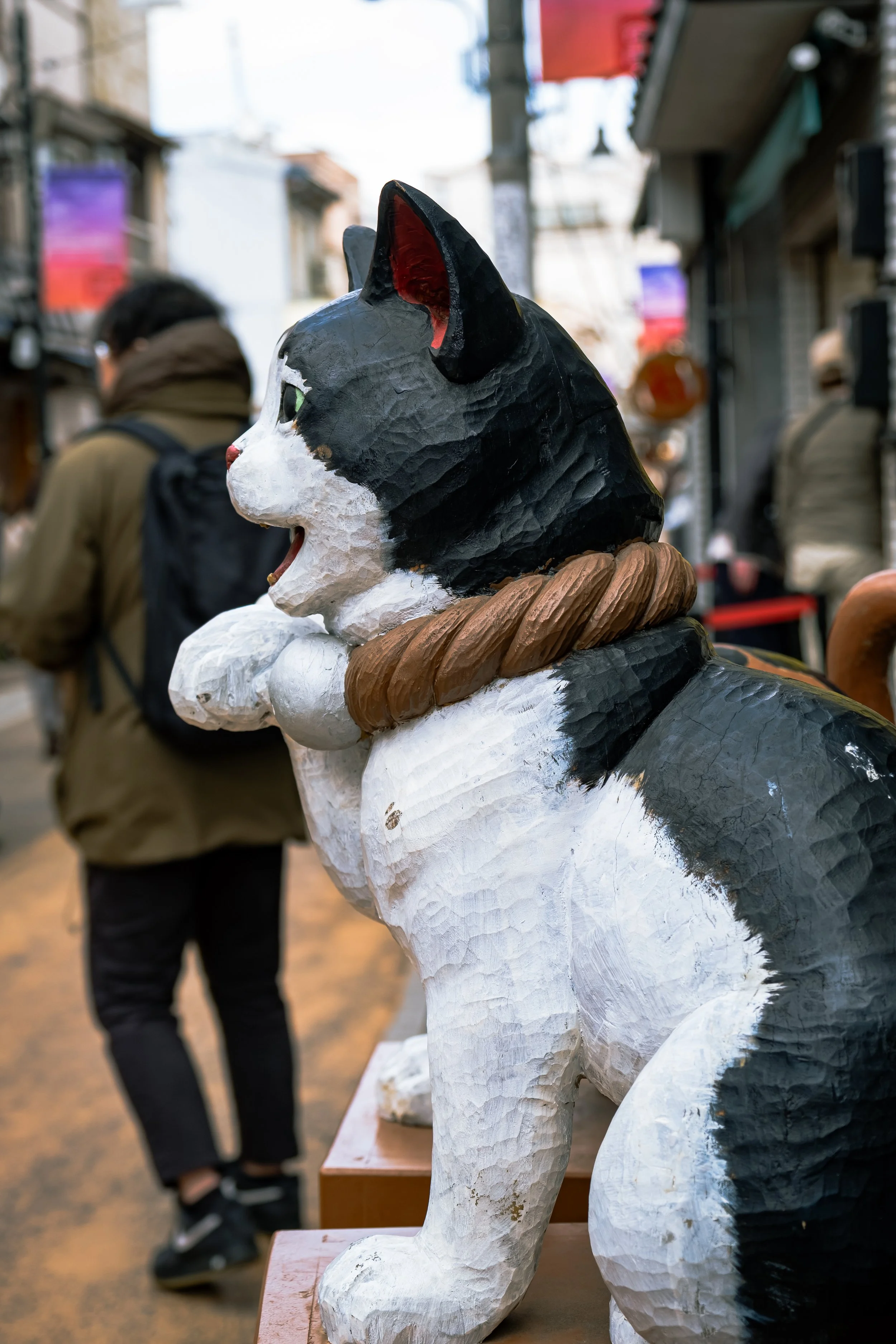
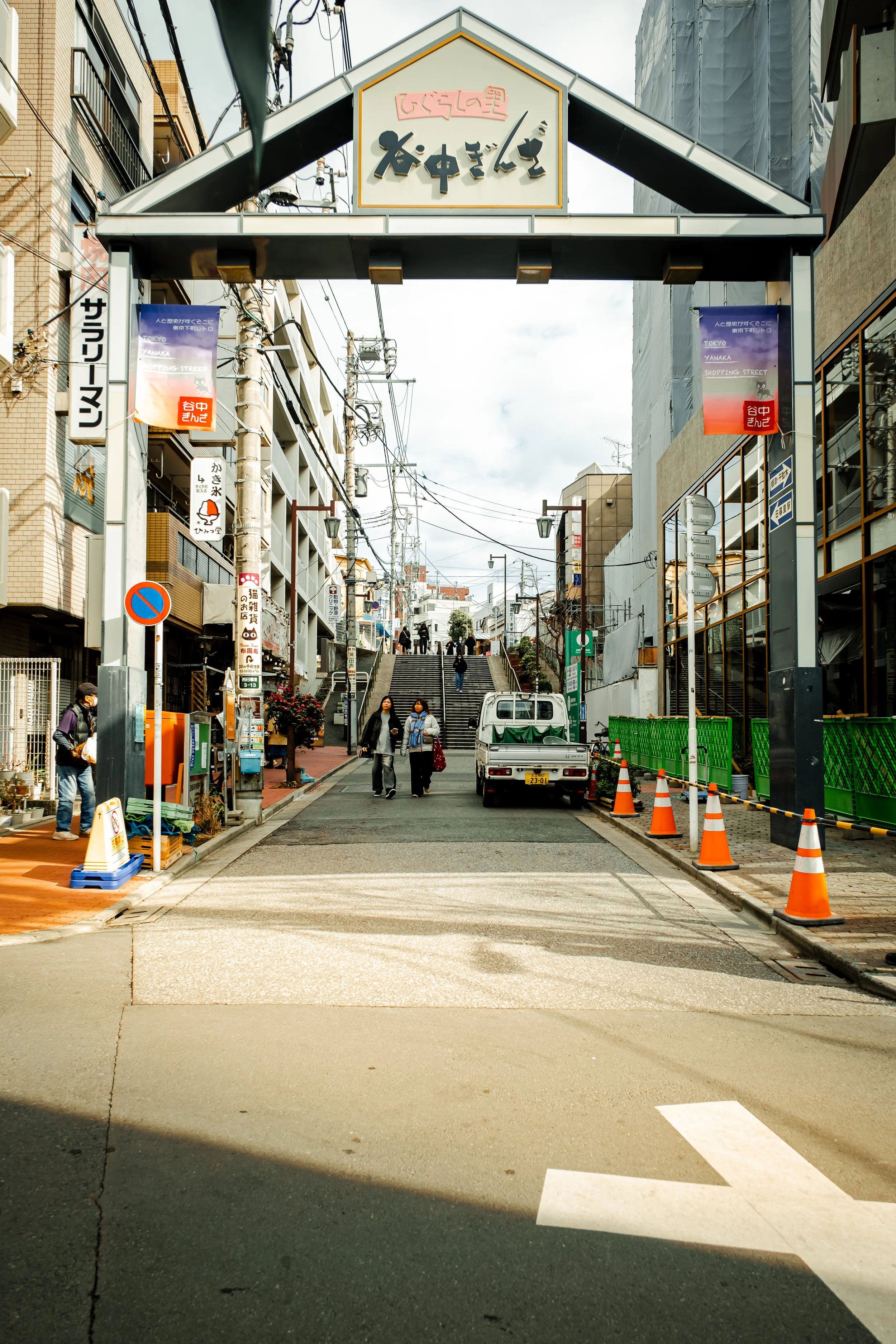
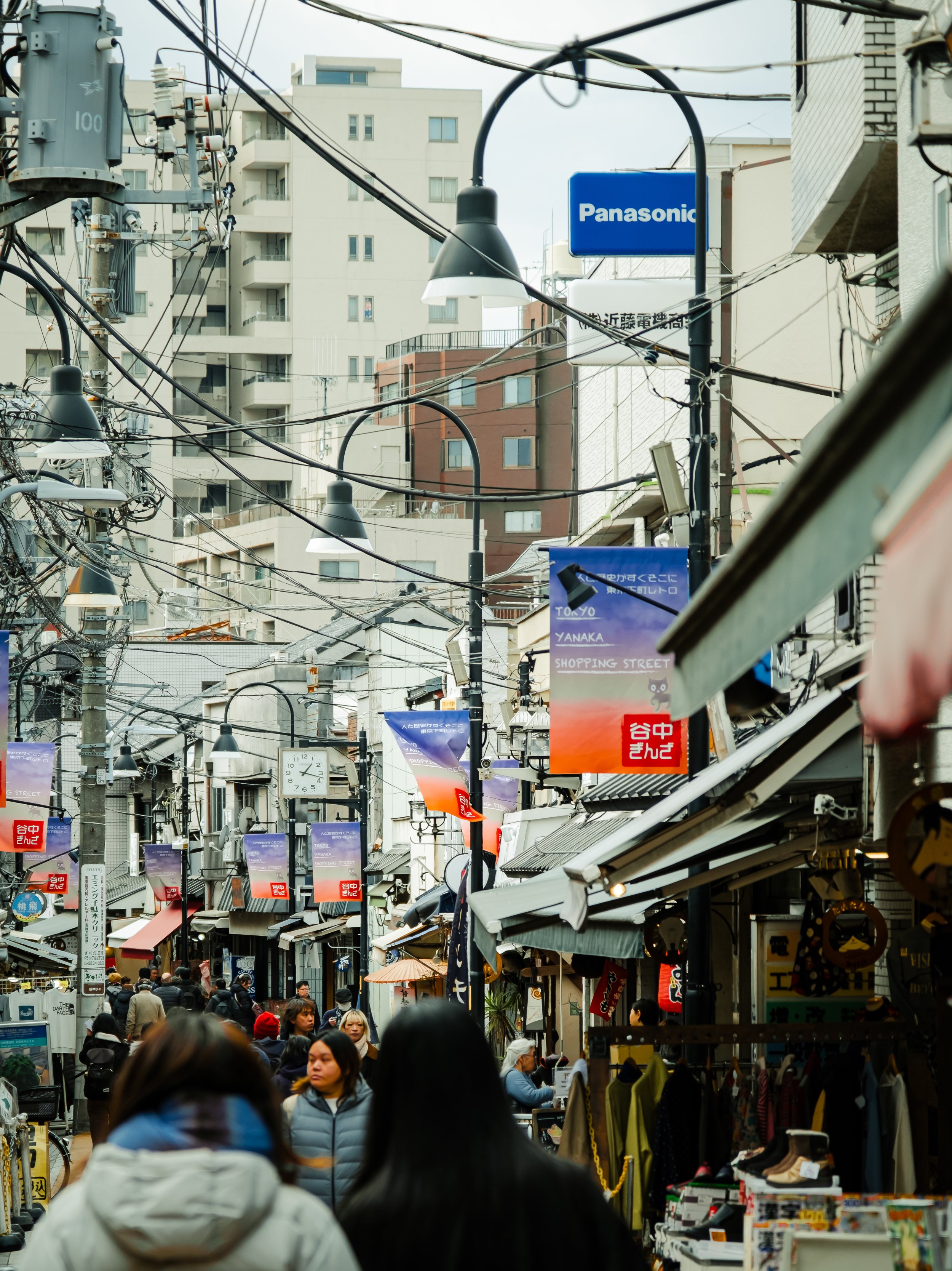
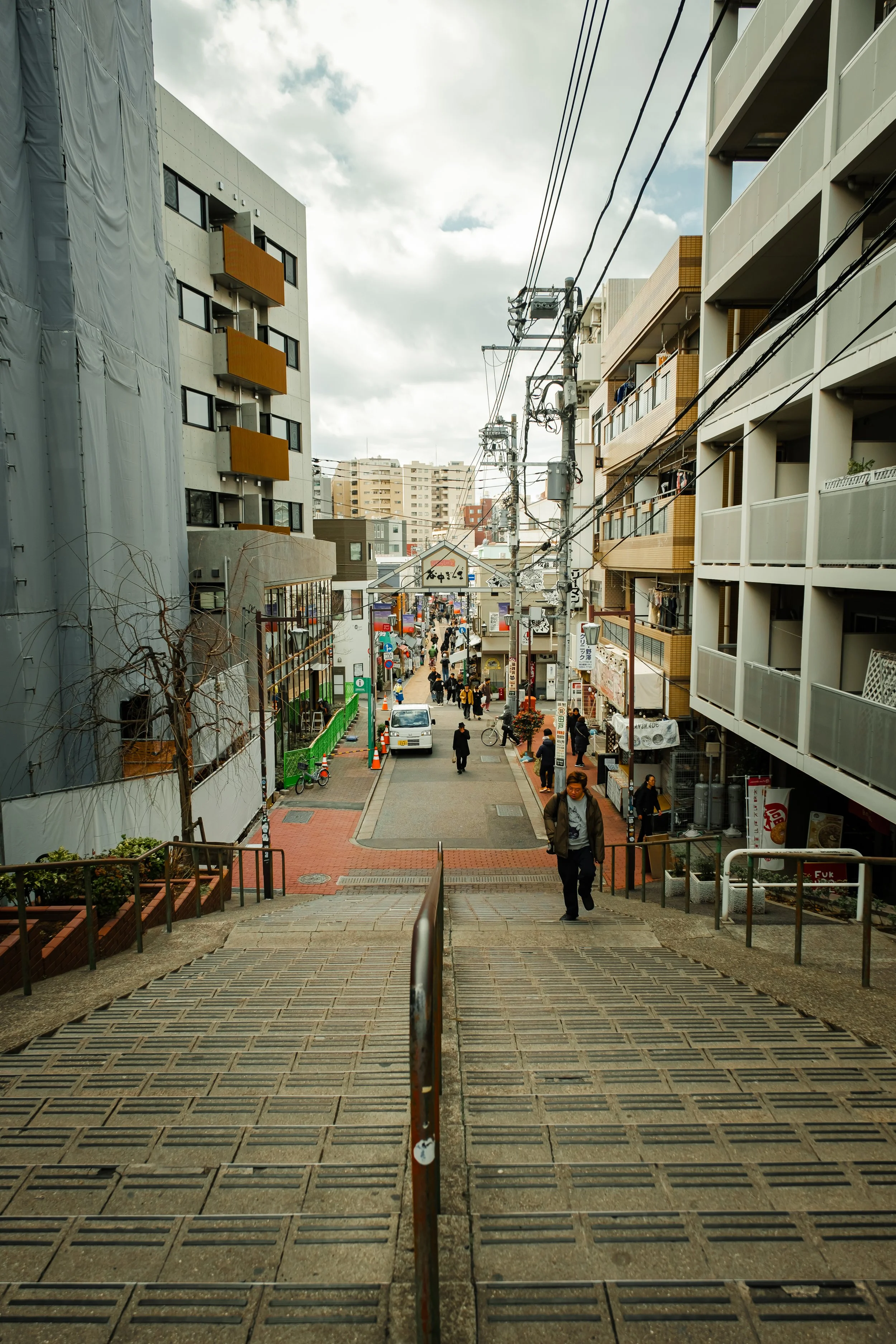
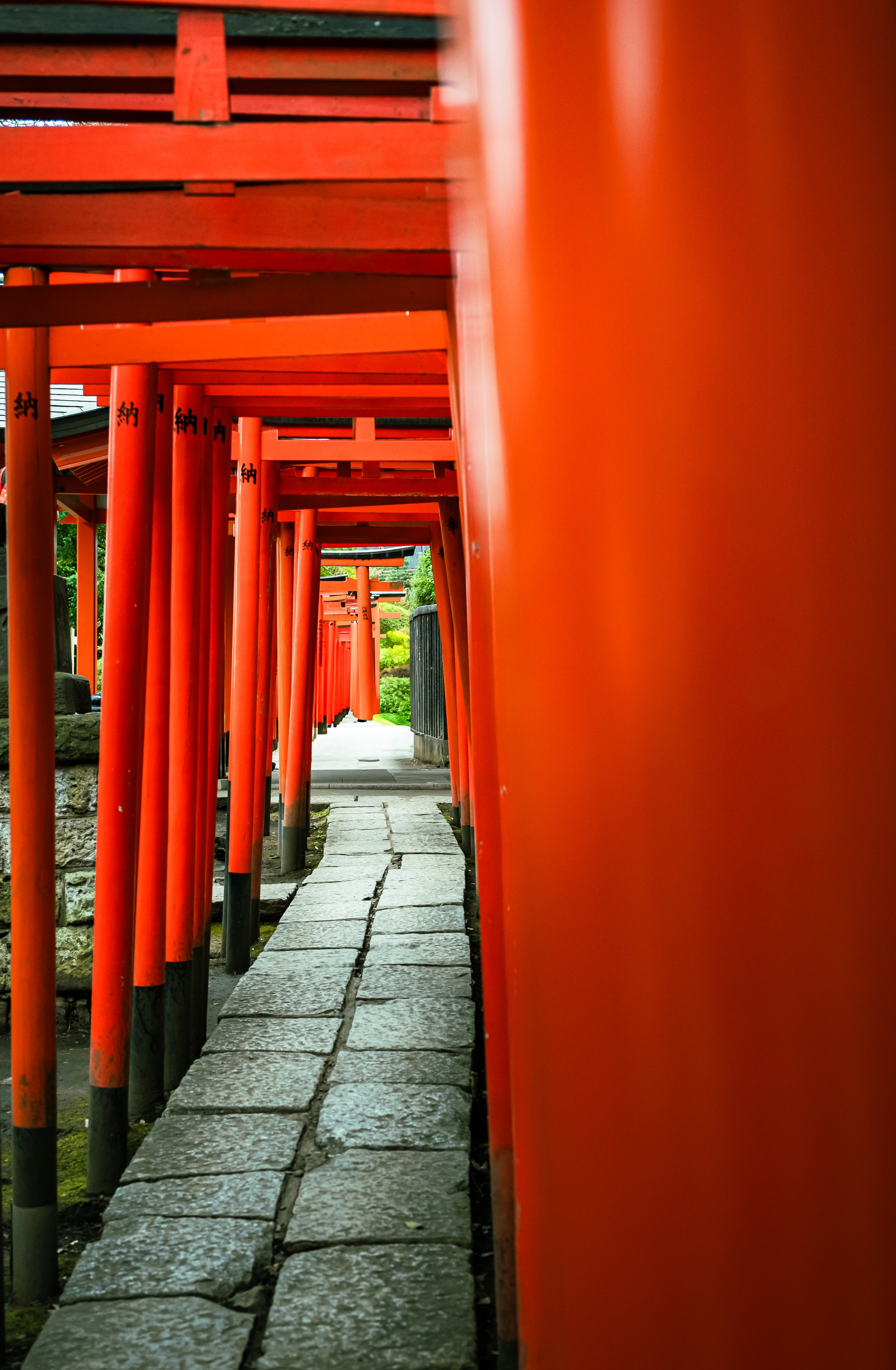
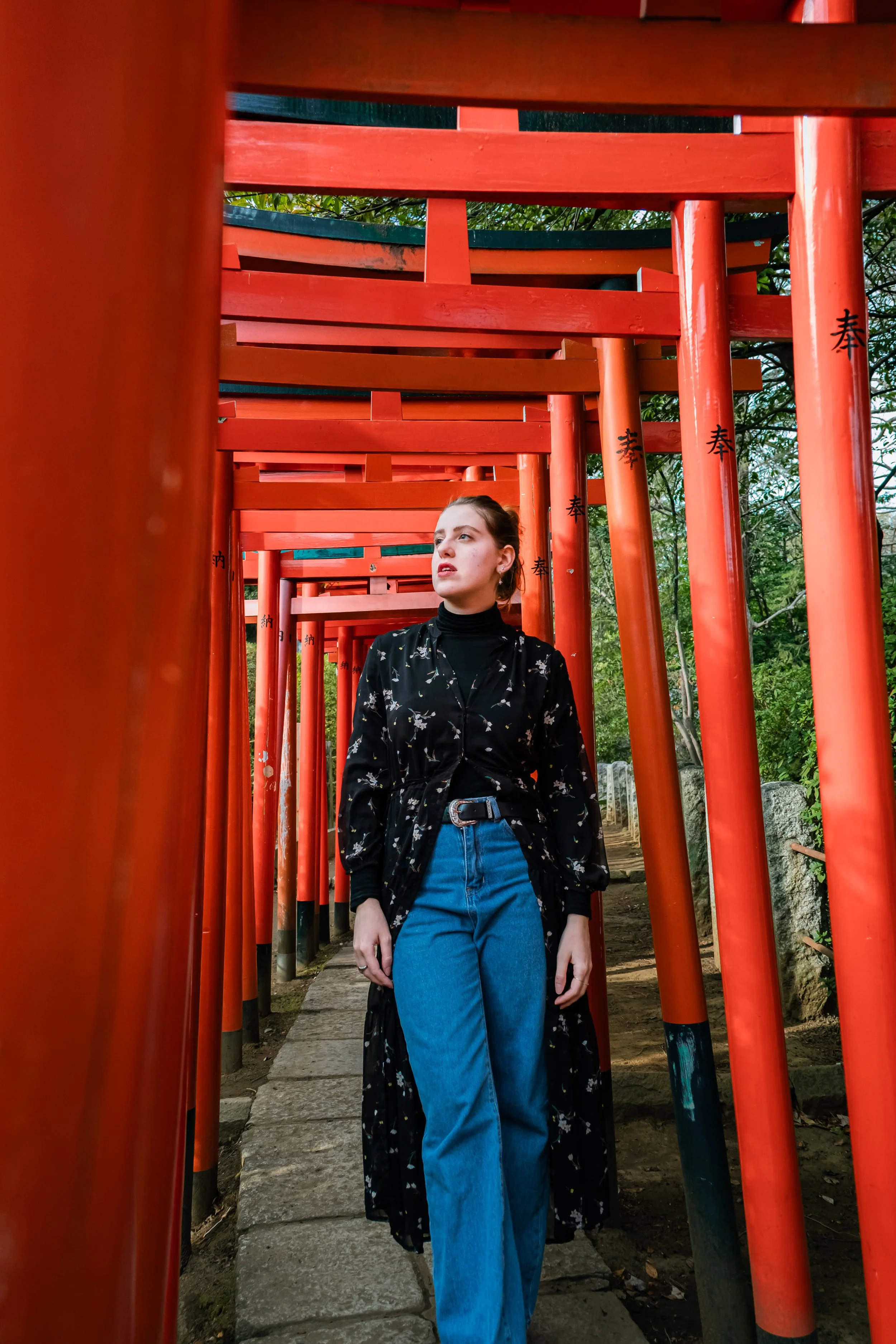
If you're looking for a quieter Tokyo away from the usual tourist spots, with a more local, Old Tokyo vibe, Ginza is the place for you. Yanaka Ginza in particular is the shopping street, also know as the cat district, an ideal place to find the perfect souvenir at a reasonable price, and above all to sample Tokyo street food or grab a coffee in one of its small, slightly hipster coffee shops. I’ve loved discovering the Nezu Jinja Uno Shrine, a very peaceful temple, a mini version of Kyoto's famous Fushimi Inari Shrine. But the best part? There are hardly any tourists and no crowd.
HARAJUKU
This area is chaotic in a different way, full of creative energy and youth culture.
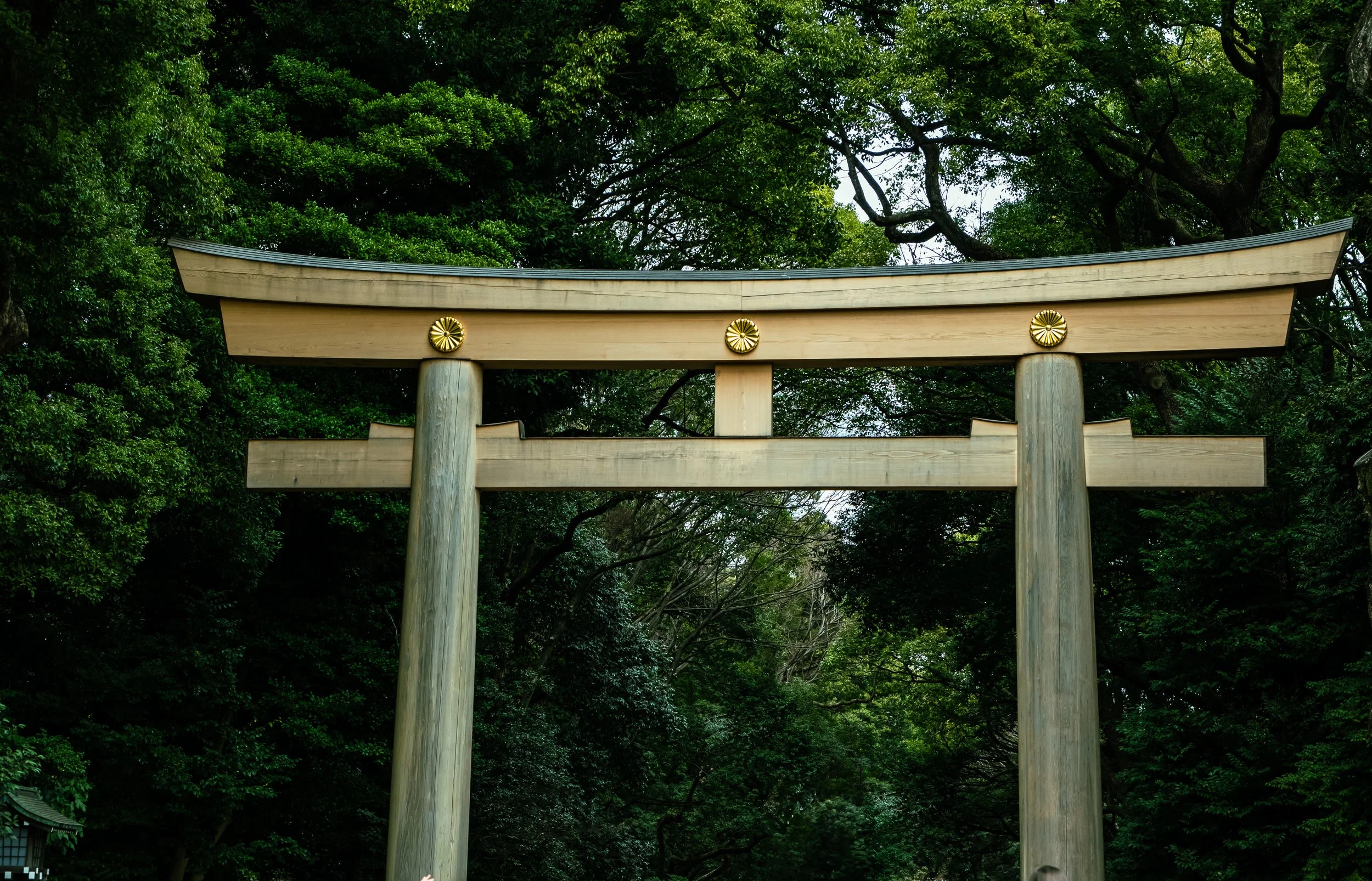
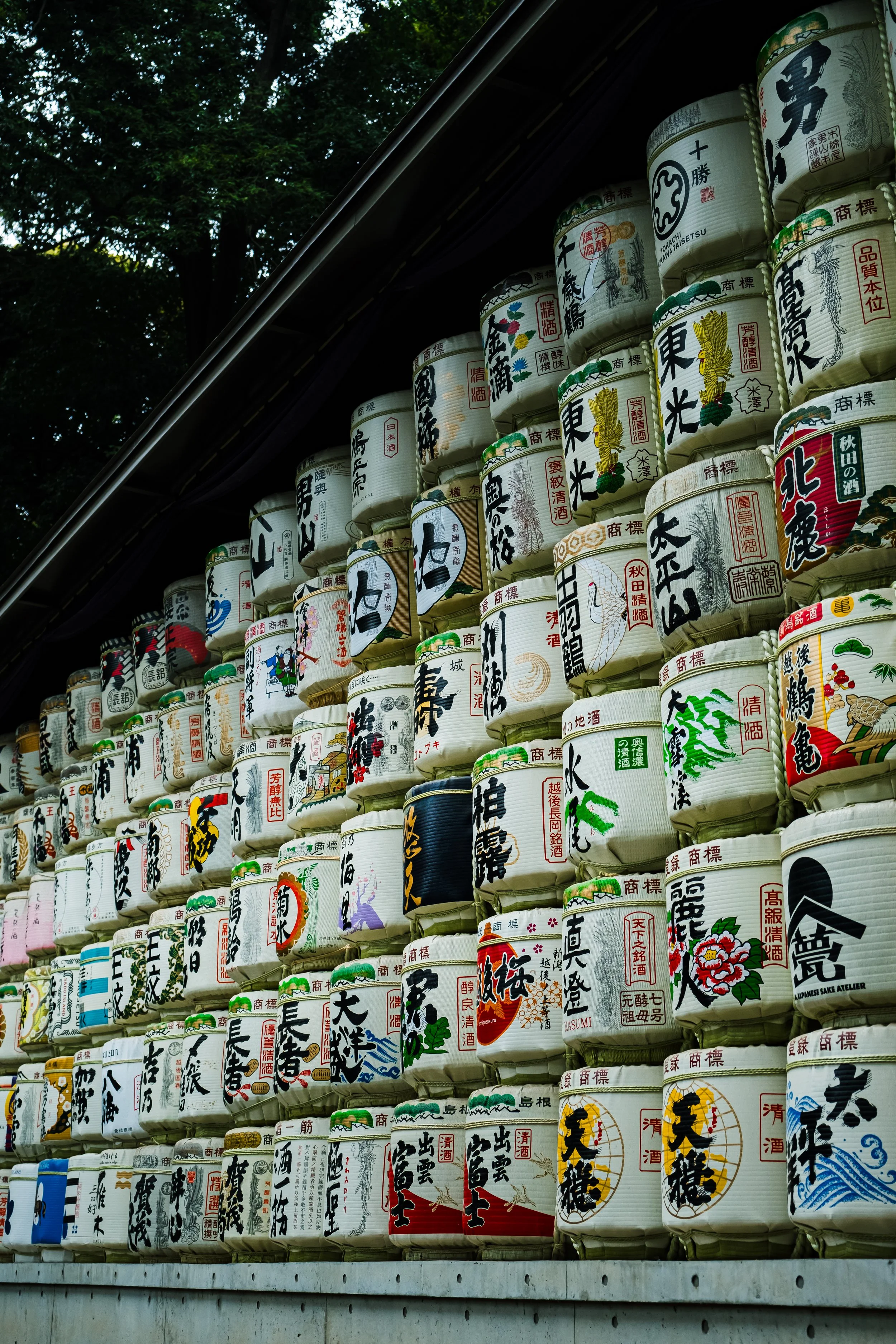
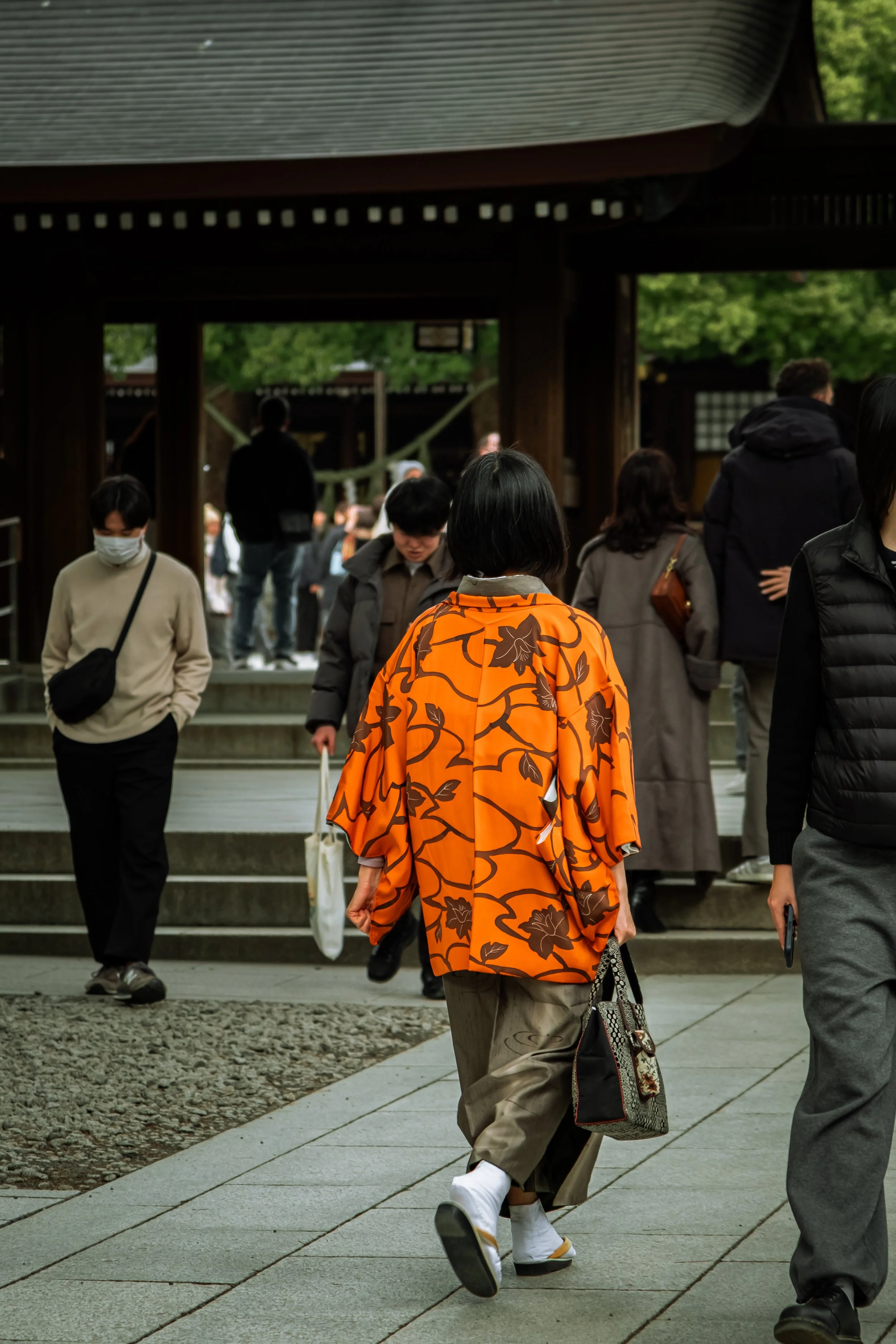
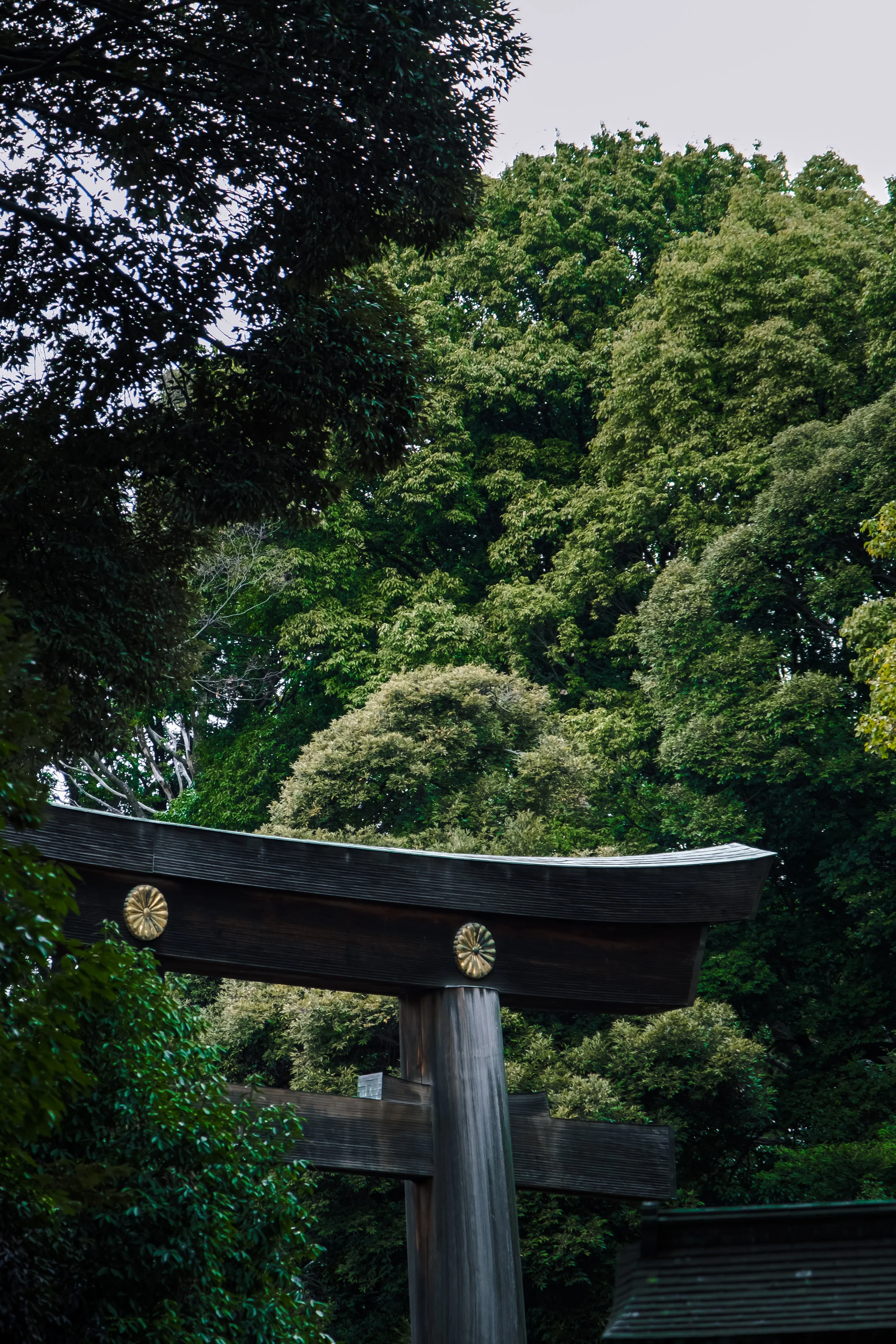
Head to Takeshita Street for sensory chaos. It's Harajuku's most famous street, packed with shops of all kinds, food for all tastes, and animal cafes, which I personally don't recommend for ethical reasons. Meiji Jingu gives you calm minutes away, a Shinto shrine located just a few minutes' walk from Harajuku Station. You'll be transported to an atmosphere of calm and tranquility, surrounded by greenery, and you'll almost forget you're in the center of Tokyo's chaos.
IKEBUKURO
Anime and manga lovers shouldn't miss a visit to one of the world's largest anime stores, Animate Main Store, and then enjoy excellent sushi at affordable prices at one of the most well-known sushi chains, Sushiro.
SHIMOKITAZAWA
Vintage shops, art, and everything secondhand—this is Shimokitazawa, Tokyo’s bohemian heart. You can spend hours wandering through the vintage shops that pepper this neighborhood, but I'll be honest: most of them have inflated prices compared to what we're used to in Europe.
UENO
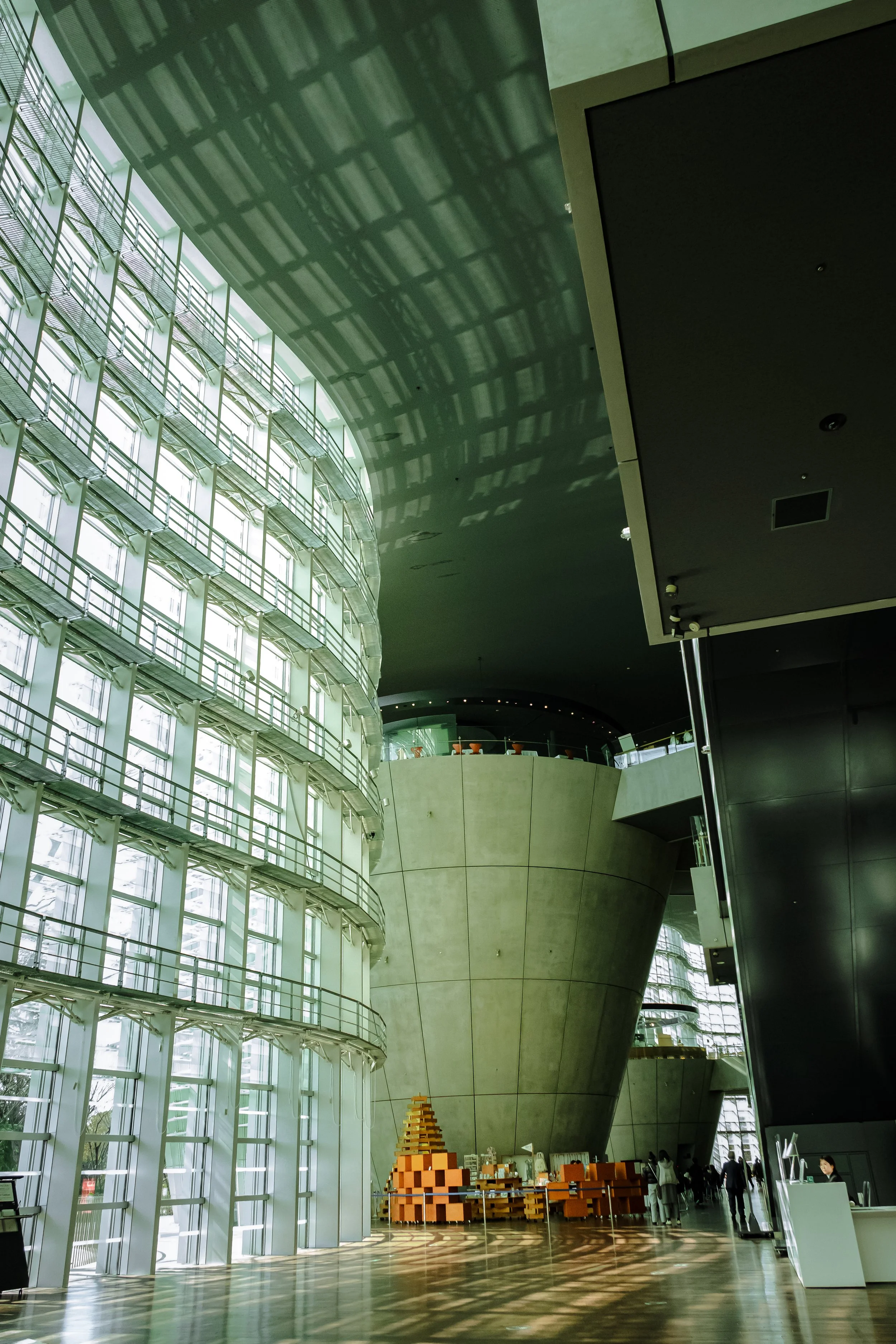
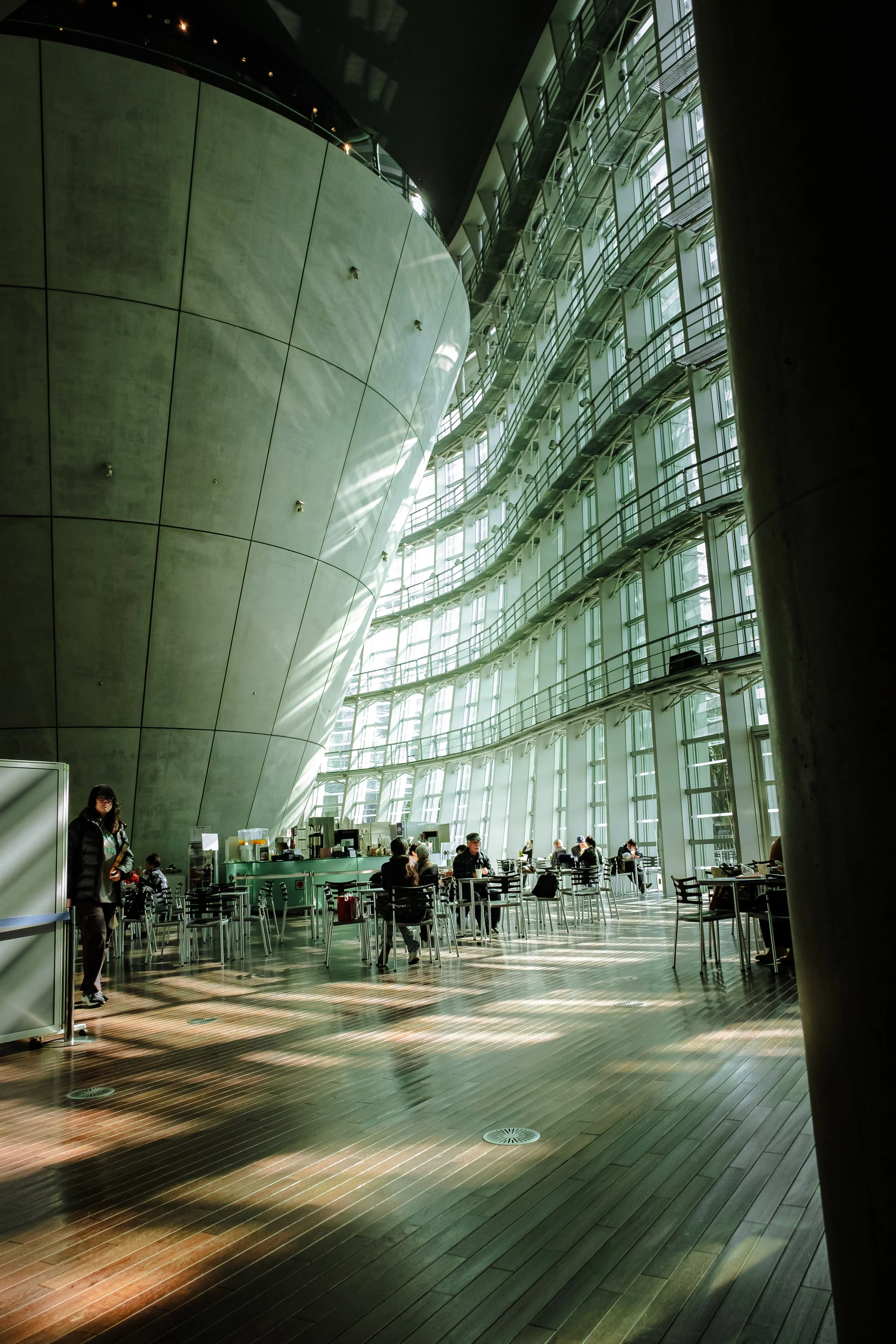
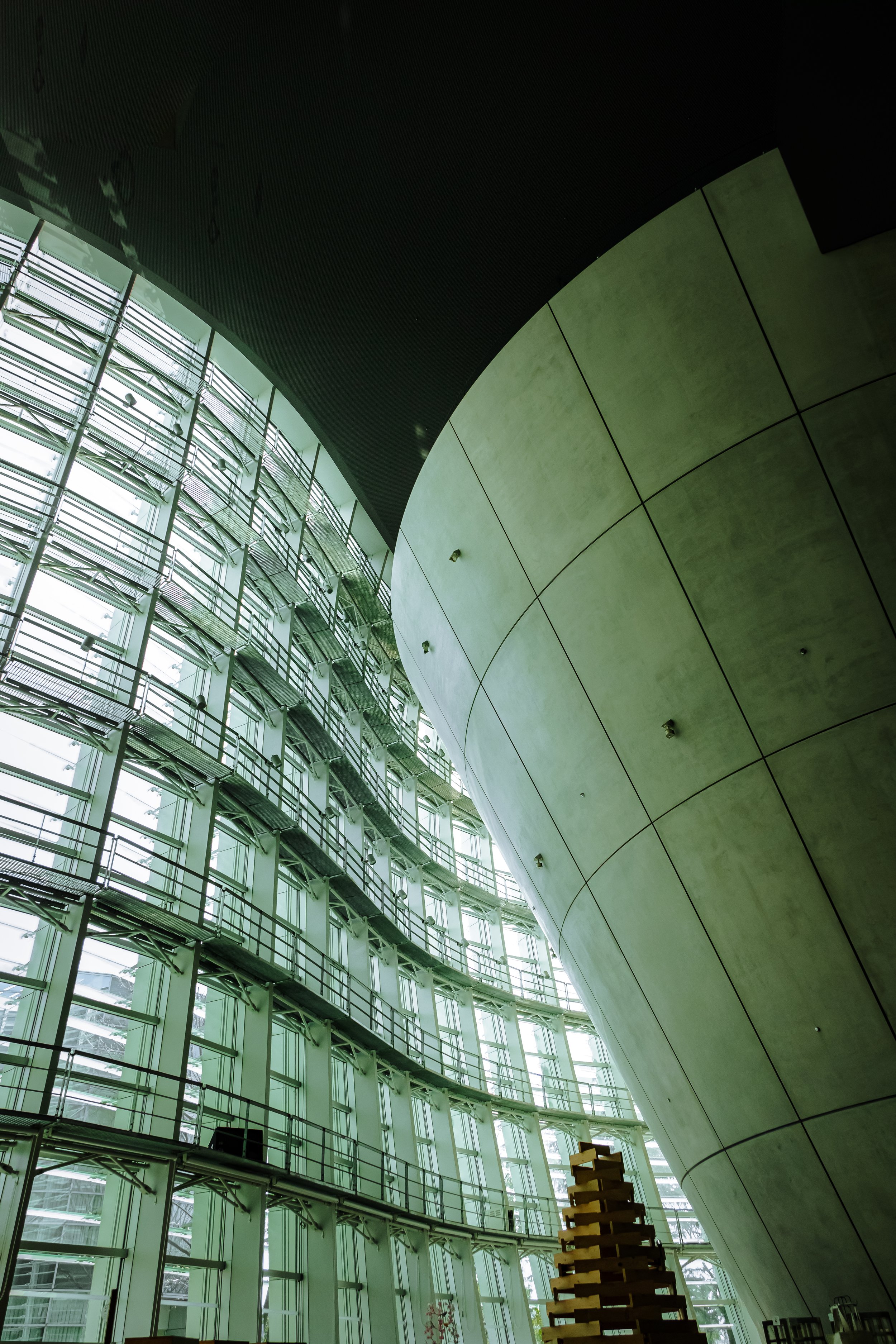
It's a Tokyo neighborhood famous for its large park, a great place for a quiet, relaxing stroll, but I don't recommend visiting in winter when all the trees are dead. It's also famous for the National Art Center, a museum where many of its exhibitions are often free, but what I like most about this museum is its architecture.
FOOD IN TOKYO
Food in Tokyo, as in all of Japan, is a no-brainer. The best food you'll eat will probably be in random ramen shops, tiny restaurants with no English menus, or places you wander into by chance. But if you want a place to start and want to try amazing sushi—how could you not when in Japan?—then head to Tsukiji Market. It's true that it's very touristy and the prices are much higher than average, but I ate some of the best sushi I've ever had here. I still remember the melt-in-your-mouth texture of the fattiest tuna ever eaten.
A good rule: If locals are inside, you’re good.
GETTING AROUND TOKYO
Perhaps, like me, you're tired of hearing how easy it is to get around Tokyo and Japan in general, but it really is. Tokyo’s transport system looks intimidating, but it’s actually one of the easiest once you get used to it. Everything is very intuitive ; to date, it's probably the only place in the world I've visited where getting around is like a breeze. My tip: Google Maps works perfectly, and if you follow it to the letter, it will be your best friend and the perfect tour guide for getting around Tokyo.
The only thing you need to get around Tokyo is a Suica or Pasmo Card, but if you plan to stay in Tokyo for no more than 3 days then I suggest you opt for the Tokyo Metro Pass, it will allow you to save a lot of money.
THE SIDE OF TOKYO THAT MANY PEOPLE MISS
Tokyo is bigger than you think, isn’t just about the big districts. You could hop on a train from central Tokyo, and in less than an hour, you’ll find yourself strolling on the beach or seeing magnificent waterfalls in the mountains. My advice is, don’t just focus on Tokyo's most popular neighborhoods; Tokyo has so much more to offer. Sometimes, just getting lost in a random neighborhood or wandering aimlessly will surprise you with how much this city has to offer. Tokyo isn’t a city you “complete.”
There’s some things that you simply cannot miss when visiting Tokyo, like the unique opportunity to participate in a sumo wrestler performance; or step into a world of immersive digital art with TeamLab Planets Tokyo.